Seedance prompt autoresearch — side-by-side
Source: morning report 2026-08-01 on the VPS experiment host. Columns are iterations that produced real clips; sticky left column is the source plate used as the Seedance image input. MP4s are the original renders (no re-encode). Click prompt under a cell for the full text that was sent with that plate.
Layout: one row per room, scroll horizontally across iterations.
Shared inputs: one plate per room under plates/;
per-iter composed prompts under prompts/<iter>/<room>.txt.
Bidadari living roomStudio (bed→kitchen)Bare galley kitchenMaster bedroomNorthshore (new room)
Iteration index
Bidadari living room bidadari
Source plate
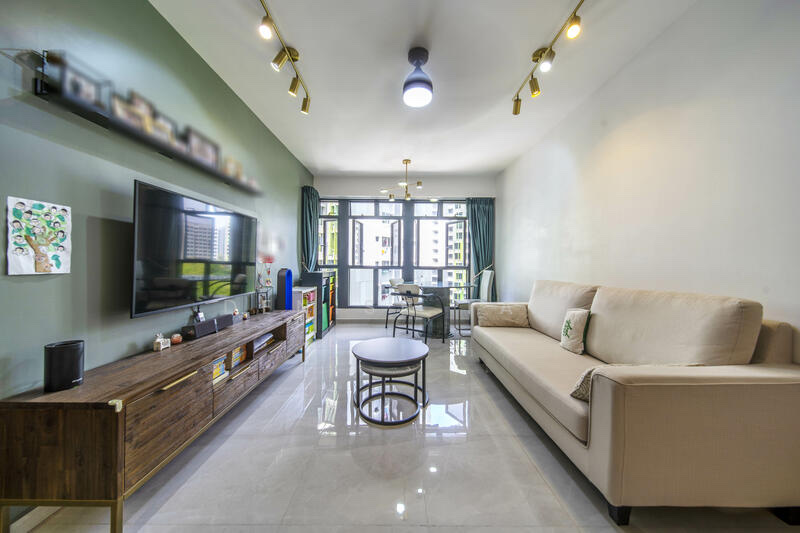
plates/bidadari.jpg
iter 0000
seed
mean 0.582
fidelity 0.794
pass
craft —
miss b03, b06, b07
baseline
seed artifacts, unmutated
THREE-SHOT SEQUENCE — 8.0 seconds total, 9:16 vertical, exactly THREE shots separated by two hard cuts. Cut 1 lands at 3.0s, cut 2 at 5.5s. Inside each shot the camera makes one smooth continuous move; the cuts are instant, with zero transition frames, zero dissolves, zero wipes. SOURCE: The reference image is a singl…
THREE-SHOT SEQUENCE — 8.0 seconds total, 9:16 vertical, exactly THREE shots
separated by two hard cuts. Cut 1 lands at 3.0s, cut 2 at 5.5s. Inside each
shot the camera makes one smooth continuous move; the cuts are instant, with
zero transition frames, zero dissolves, zero wipes.

SOURCE: The reference image is a single real-estate photograph of one condominium living room, long and corridor-shaped, seen down its length.
It already contains every object this video shows. Every frame of all three
shots is photoreal RGB footage of this one space, and nothing outside the
photograph's contents exists. Shots 2 and 3 re-frame content the photograph
already shows; the camera never turns toward a wall or region the photograph
does not cover.

SHOT 1 (0.0s – 3.0s) — THE APPROACH:
Opens on the photograph's own vantage point: the long living room seen down its
length, glossy pale-grey tiled floor leading to the full-height windows at the
far end, green accent wall and TV on the left, cream sofa on the right, round
coffee table mid-floor. The camera pushes IN slowly along the room's long depth
axis at one constant gentle rate, chest height, level horizon. By the cut the
dining table and windows have grown to dominate the frame while the sofa's far
arm passes the right edge.

HARD CUT AT 3.0s.

SHOT 2 (3.0s – 5.5s) — THE SOFA:
A new framing from mid-room, camera turned toward the RIGHT wall: the cream
fabric sofa fills the lower frame, its beige cushions and the single olive
leaf-print pillow exactly as photographed, the plain white wall above it, the
edge of the round coffee table entering at the lower left. The camera drifts
laterally LEFT to RIGHT at one constant slow rate, gliding along the sofa's
length toward its far arm and the window-end of the room. Chest height, level
horizon.

HARD CUT AT 5.5s.

SHOT 3 (5.5s – 8.0s) — THE MEDIA WALL:
A new framing from mid-room, camera turned toward the LEFT wall: the sage-green
accent wall with the large dark flat-screen TV mounted on it, the child's tree
drawing taped to its left, the black floating picture ledge above with its
framed photos, and the long low dark-wood console below on slim brass legs. The
camera pushes IN slowly toward the TV wall at one constant gentle rate, ending
with the console top — books, small red flowers in a vase, the round black
smart speaker at its left end — readable across the lower frame.

MOTION QUALITY — VERY SLOW inside every shot. Gentle gliding drift, like a slow
architectural reveal. Constant, even velocity within each shot: each move
advances by the same amount between any two equal slices of its own duration.
The three shots feel like three takes from the same tripod session in the same
room at the same hour.

CAMERA: Tripod-smooth in all three shots. Fixed focal length within each shot.
Horizon dead level and square to the frame in every shot. The camera never
passes through furniture; every vantage point is a spot a person could stand on
the open floor the photograph shows.

PERSPECTIVE AND GEOMETRY: The room's geometry is the photograph's geometry.
Wall positions, furniture positions, window placement and the proportions of
the space hold constant across all three shots. Shots 2 and 3 show the same
objects the photograph shows, from positions inside the same room, with their
real spatial relationships preserved.

SCENE LOCK — the complete object inventory, identical in every shot:
- glossy large-format pale-grey porcelain floor tiles with soft mirror
  reflections of the furniture and windows
- left wall painted sage/olive green as an accent; all other walls and the
  ceiling white
- large black flat-screen TV mounted on the green wall, screen dark and off
- child's drawing of a tree with small cartoon faces, fixed to the wall left of
  the TV
- black metal floating picture ledge high on the green wall holding a row of
  framed family photographs
- long low dark-brown wood TV console on slim brass legs; on it: stacked books,
  a small vase of red flowers, a round black smart speaker at its left end,
  small decor pieces
- colourful children's storage unit with green, blue and red bins standing
  between the console and the window wall
- far wall: full-height dark-framed windows, dark teal curtains hanging at both
  sides, daylight outside with neighbouring apartment blocks and greenery
- round glass-top dining table with black metal chairs beside the window, a
  gold pendant lamp hanging above it
- white ceiling with a black ceiling fan-light at centre and two black-and-gold
  track spotlight bars, their small lamps lit warm
- cream fabric sofa along the right wall with beige seat cushions and one olive
  leaf-print pillow
- round black-metal nesting coffee tables with dark grey tops on the open floor
  between sofa and console

NOT IN THIS ROOM — these do not exist here and must never appear:
- no window, glazed panel or curtain anywhere on the green left-hand wall
- nothing mounted on the white right-hand wall above the sofa: no art, no
  shelves, no second screen, no opening
- no people, no pets, no added potted plants on the floor

MOTION IN THE SCENE: the reflections on the glossy tiles slide naturally as the camera moves. That is the complete list of what changes.
Every other physical object is static in all three shots. The room is
unoccupied in every frame — furniture, fixtures and fittings only.

LIGHT: one fixed lighting setup shared by all three shots — same exposure, same
white balance, same window brightness in shot 3 as in shot 1.

OUTPUT: Clean photoreal 9:16 vertical footage matching the source's real-estate
photography look — its native sharpness, grain and depth of field. Three shots,
two hard cuts, nothing else: no titles, no text, no logos, no transitions, no
people, no animals. Every mark visible in every frame is one of the physical
objects listed in SCENE LOCK.

RENDER CONTRACT — the state each axis holds for all 8.0 seconds:
  SHOT COUNT     exactly three, hard cuts at 3.0s and 5.5s
  SHOT 1 PATH    push-in along the depth axis, constant rate
  SHOT 2 PATH    lateral drift left-to-right along the sofa, constant rate
  SHOT 3 PATH    push-in toward the TV wall, constant rate
  CAMERA BODY    tripod-smooth, level horizon in every shot
  LENS           fixed focal length within each shot
  GEOMETRY       the photograph's room, one room only
  OCCUPANCY      unoccupied: furniture, fixtures and fittings
  OBJECTS        the SCENE LOCK inventory, in photographed positions, all shots
  IN MOTION      floor-tile reflections — the complete list
  LIGHTING       one fixed setup, constant exposure and white balance
  FRAME CONTENT  photoreal room content corner to corner, no grayscale frames
  FINISH         the source's native softness, grain and depth of field
iter 0001
k3
mean 0.737
fidelity 0.598
pass
craft —
miss b03, b06, b08
mutable/shotplans/studio.json · shot1_body
Studio scored lowest and two of its four worst checklist items are the ceiling fan blades and the ceiling track lights, which the current chest-height framing simply never puts on screen — pinning them in the top of the tall vertical frame re-frames photographed content and makes…
THREE-SHOT SEQUENCE — 8.0 seconds total, 9:16 vertical, exactly THREE shots separated by two hard cuts. Cut 1 lands at 3.0s, cut 2 at 5.5s. Inside each shot the camera makes one smooth continuous move; the cuts are instant, with zero transition frames, zero dissolves, zero wipes. SOURCE: The reference image is a singl…
THREE-SHOT SEQUENCE — 8.0 seconds total, 9:16 vertical, exactly THREE shots
separated by two hard cuts. Cut 1 lands at 3.0s, cut 2 at 5.5s. Inside each
shot the camera makes one smooth continuous move; the cuts are instant, with
zero transition frames, zero dissolves, zero wipes.

SOURCE: The reference image is a single real-estate photograph of one condominium living room, long and corridor-shaped, seen down its length.
It already contains every object this video shows. Every frame of all three
shots is photoreal RGB footage of this one space, and nothing outside the
photograph's contents exists. Shots 2 and 3 re-frame content the photograph
already shows; the camera never turns toward a wall or region the photograph
does not cover.

SHOT 1 (0.0s – 3.0s) — THE APPROACH:
Opens on the photograph's own vantage point: the long living room seen down its
length, glossy pale-grey tiled floor leading to the full-height windows at the
far end, green accent wall and TV on the left, cream sofa on the right, round
coffee table mid-floor. The camera pushes IN slowly along the room's long depth
axis at one constant gentle rate, chest height, level horizon. By the cut the
dining table and windows have grown to dominate the frame while the sofa's far
arm passes the right edge.

HARD CUT AT 3.0s.

SHOT 2 (3.0s – 5.5s) — THE SOFA:
A new framing from mid-room, camera turned toward the RIGHT wall: the cream
fabric sofa fills the lower frame, its beige cushions and the single olive
leaf-print pillow exactly as photographed, the plain white wall above it, the
edge of the round coffee table entering at the lower left. The camera drifts
laterally LEFT to RIGHT at one constant slow rate, gliding along the sofa's
length toward its far arm and the window-end of the room. Chest height, level
horizon.

HARD CUT AT 5.5s.

SHOT 3 (5.5s – 8.0s) — THE MEDIA WALL:
A new framing from mid-room, camera turned toward the LEFT wall: the sage-green
accent wall with the large dark flat-screen TV mounted on it, the child's tree
drawing taped to its left, the black floating picture ledge above with its
framed photos, and the long low dark-wood console below on slim brass legs. The
camera pushes IN slowly toward the TV wall at one constant gentle rate, ending
with the console top — books, small red flowers in a vase, the round black
smart speaker at its left end — readable across the lower frame.

MOTION QUALITY — VERY SLOW inside every shot. Gentle gliding drift, like a slow
architectural reveal. Constant, even velocity within each shot: each move
advances by the same amount between any two equal slices of its own duration.
The three shots feel like three takes from the same tripod session in the same
room at the same hour.

CAMERA: Tripod-smooth in all three shots. Fixed focal length within each shot.
Horizon dead level and square to the frame in every shot. The camera never
passes through furniture; every vantage point is a spot a person could stand on
the open floor the photograph shows.

PERSPECTIVE AND GEOMETRY: The room's geometry is the photograph's geometry.
Wall positions, furniture positions, window placement and the proportions of
the space hold constant across all three shots. Shots 2 and 3 show the same
objects the photograph shows, from positions inside the same room, with their
real spatial relationships preserved.

SCENE LOCK — the complete object inventory, identical in every shot:
- glossy large-format pale-grey porcelain floor tiles with soft mirror
  reflections of the furniture and windows
- left wall painted sage/olive green as an accent; all other walls and the
  ceiling white
- large black flat-screen TV mounted on the green wall, screen dark and off
- child's drawing of a tree with small cartoon faces, fixed to the wall left of
  the TV
- black metal floating picture ledge high on the green wall holding a row of
  framed family photographs
- long low dark-brown wood TV console on slim brass legs; on it: stacked books,
  a small vase of red flowers, a round black smart speaker at its left end,
  small decor pieces
- colourful children's storage unit with green, blue and red bins standing
  between the console and the window wall
- far wall: full-height dark-framed windows, dark teal curtains hanging at both
  sides, daylight outside with neighbouring apartment blocks and greenery
- round glass-top dining table with black metal chairs beside the window, a
  gold pendant lamp hanging above it
- white ceiling with a black ceiling fan-light at centre and two black-and-gold
  track spotlight bars, their small lamps lit warm
- cream fabric sofa along the right wall with beige seat cushions and one olive
  leaf-print pillow
- round black-metal nesting coffee tables with dark grey tops on the open floor
  between sofa and console

NOT IN THIS ROOM — these do not exist here and must never appear:
- no window, glazed panel or curtain anywhere on the green left-hand wall
- nothing mounted on the white right-hand wall above the sofa: no art, no
  shelves, no second screen, no opening
- no people, no pets, no added potted plants on the floor

MOTION IN THE SCENE: the reflections on the glossy tiles slide naturally as the camera moves. That is the complete list of what changes.
Every other physical object is static in all three shots. The room is
unoccupied in every frame — furniture, fixtures and fittings only.

LIGHT: one fixed lighting setup shared by all three shots — same exposure, same
white balance, same window brightness in shot 3 as in shot 1.

OUTPUT: Clean photoreal 9:16 vertical footage matching the source's real-estate
photography look — its native sharpness, grain and depth of field. Three shots,
two hard cuts, nothing else: no titles, no text, no logos, no transitions, no
people, no animals. Every mark visible in every frame is one of the physical
objects listed in SCENE LOCK.

RENDER CONTRACT — the state each axis holds for all 8.0 seconds:
  SHOT COUNT     exactly three, hard cuts at 3.0s and 5.5s
  SHOT 1 PATH    push-in along the depth axis, constant rate
  SHOT 2 PATH    lateral drift left-to-right along the sofa, constant rate
  SHOT 3 PATH    push-in toward the TV wall, constant rate
  CAMERA BODY    tripod-smooth, level horizon in every shot
  LENS           fixed focal length within each shot
  GEOMETRY       the photograph's room, one room only
  OCCUPANCY      unoccupied: furniture, fixtures and fittings
  OBJECTS        the SCENE LOCK inventory, in photographed positions, all shots
  IN MOTION      floor-tile reflections — the complete list
  LIGHTING       one fixed setup, constant exposure and white balance
  FRAME CONTENT  photoreal room content corner to corner, no grayscale frames
  FINISH         the source's native softness, grain and depth of field
iter 0002
k3
mean 0.135
fidelity 0.676
pass
craft 0.50
miss b03, b06, b13
mutable/shotplans/bidadari.json · shot3_body
Bidadari's two most persistent failing checklist items across both iterations are the crayon tree drawing and the console's smart speaker, which the current media-wall push-in crops out of the narrow vertical frame — aiming the same photographed wall slightly left and capping the…
THREE-SHOT SEQUENCE — 8.0 seconds total, 9:16 vertical, exactly THREE shots separated by two hard cuts. Cut 1 lands at 3.0s, cut 2 at 5.5s. Inside each shot the camera makes one smooth continuous move; the cuts are instant, with zero transition frames, zero dissolves, zero wipes. SOURCE: The reference image is a singl…
THREE-SHOT SEQUENCE — 8.0 seconds total, 9:16 vertical, exactly THREE shots
separated by two hard cuts. Cut 1 lands at 3.0s, cut 2 at 5.5s. Inside each
shot the camera makes one smooth continuous move; the cuts are instant, with
zero transition frames, zero dissolves, zero wipes.

SOURCE: The reference image is a single real-estate photograph of one condominium living room, long and corridor-shaped, seen down its length.
It already contains every object this video shows. Every frame of all three
shots is photoreal RGB footage of this one space, and nothing outside the
photograph's contents exists. Shots 2 and 3 re-frame content the photograph
already shows; the camera never turns toward a wall or region the photograph
does not cover.

SHOT 1 (0.0s – 3.0s) — THE APPROACH:
Opens on the photograph's own vantage point: the long living room seen down its
length, glossy pale-grey tiled floor leading to the full-height windows at the
far end, green accent wall and TV on the left, cream sofa on the right, round
coffee table mid-floor. The camera pushes IN slowly along the room's long depth
axis at one constant gentle rate, chest height, level horizon. By the cut the
dining table and windows have grown to dominate the frame while the sofa's far
arm passes the right edge.

HARD CUT AT 3.0s.

SHOT 2 (3.0s – 5.5s) — THE SOFA:
A new framing from mid-room, camera turned toward the RIGHT wall: the cream
fabric sofa fills the lower frame, its beige cushions and the single olive
leaf-print pillow exactly as photographed, the plain white wall above it, the
edge of the round coffee table entering at the lower left. The camera drifts
laterally LEFT to RIGHT at one constant slow rate, gliding along the sofa's
length toward its far arm and the window-end of the room. Chest height, level
horizon.

HARD CUT AT 5.5s.

SHOT 3 (5.5s – 8.0s) — THE MEDIA WALL:
A new framing from mid-room, camera turned toward the LEFT wall and aimed at the
LEFT PORTION of that wall, so the child's tree drawing with its small cartoon
faces sits just inside the left edge of the 9:16 frame and the round black smart
speaker at the console's left end sits just inside the lower left. Held in the
same frame: the sage-green accent wall, the large dark flat-screen TV to the
right of the drawing, the black floating picture ledge with its framed photos
across the top of the frame, and the long low dark-wood console on slim brass
legs across the bottom with its stacked books and small vase of red flowers.
The camera pushes IN only a short way toward the green wall at one constant
gentle rate, and the push stops well before any of these four things — the tree
drawing, the picture ledge, the smart speaker, the console's left end — reaches
an edge of frame; all four are visible and readable in the final frame of the
shot exactly as they are in the first. Chest height, level horizon.

MOTION QUALITY — VERY SLOW inside every shot. Gentle gliding drift, like a slow
architectural reveal. Constant, even velocity within each shot: each move
advances by the same amount between any two equal slices of its own duration.
The three shots feel like three takes from the same tripod session in the same
room at the same hour.

CAMERA: Tripod-smooth in all three shots. Fixed focal length within each shot.
Horizon dead level and square to the frame in every shot. The camera never
passes through furniture; every vantage point is a spot a person could stand on
the open floor the photograph shows.

PERSPECTIVE AND GEOMETRY: The room's geometry is the photograph's geometry.
Wall positions, furniture positions, window placement and the proportions of
the space hold constant across all three shots. Shots 2 and 3 show the same
objects the photograph shows, from positions inside the same room, with their
real spatial relationships preserved.

SCENE LOCK — the complete object inventory, identical in every shot:
- glossy large-format pale-grey porcelain floor tiles with soft mirror
  reflections of the furniture and windows
- left wall painted sage/olive green as an accent; all other walls and the
  ceiling white
- large black flat-screen TV mounted on the green wall, screen dark and off
- child's drawing of a tree with small cartoon faces, fixed to the wall left of
  the TV
- black metal floating picture ledge high on the green wall holding a row of
  framed family photographs
- long low dark-brown wood TV console on slim brass legs; on it: stacked books,
  a small vase of red flowers, a round black smart speaker at its left end,
  small decor pieces
- colourful children's storage unit with green, blue and red bins standing
  between the console and the window wall
- far wall: full-height dark-framed windows, dark teal curtains hanging at both
  sides, daylight outside with neighbouring apartment blocks and greenery
- round glass-top dining table with black metal chairs beside the window, a
  gold pendant lamp hanging above it
- white ceiling with a black ceiling fan-light at centre and two black-and-gold
  track spotlight bars, their small lamps lit warm
- cream fabric sofa along the right wall with beige seat cushions and one olive
  leaf-print pillow
- round black-metal nesting coffee tables with dark grey tops on the open floor
  between sofa and console

NOT IN THIS ROOM — these do not exist here and must never appear:
- no window, glazed panel or curtain anywhere on the green left-hand wall
- nothing mounted on the white right-hand wall above the sofa: no art, no
  shelves, no second screen, no opening
- no people, no pets, no added potted plants on the floor

MOTION IN THE SCENE: the reflections on the glossy tiles slide naturally as the camera moves. That is the complete list of what changes.
Every other physical object is static in all three shots. The room is
unoccupied in every frame — furniture, fixtures and fittings only.

LIGHT: one fixed lighting setup shared by all three shots — same exposure, same
white balance, same window brightness in shot 3 as in shot 1.

OUTPUT: Clean photoreal 9:16 vertical footage matching the source's real-estate
photography look — its native sharpness, grain and depth of field. Three shots,
two hard cuts, nothing else: no titles, no text, no logos, no transitions, no
people, no animals. Every mark visible in every frame is one of the physical
objects listed in SCENE LOCK.

RENDER CONTRACT — the state each axis holds for all 8.0 seconds:
  SHOT COUNT     exactly three, hard cuts at 3.0s and 5.5s
  SHOT 1 PATH    push-in along the depth axis, constant rate
  SHOT 2 PATH    lateral drift left-to-right along the sofa, constant rate
  SHOT 3 PATH    push-in toward the TV wall, constant rate
  CAMERA BODY    tripod-smooth, level horizon in every shot
  LENS           fixed focal length within each shot
  GEOMETRY       the photograph's room, one room only
  OCCUPANCY      unoccupied: furniture, fixtures and fittings
  OBJECTS        the SCENE LOCK inventory, in photographed positions, all shots
  IN MOTION      floor-tile reflections — the complete list
  LIGHTING       one fixed setup, constant exposure and white balance
  FRAME CONTENT  photoreal room content corner to corner, no grayscale frames
  FINISH         the source's native softness, grain and depth of field
iter 0005
k3
mean 0.723
fidelity 0.686
pass
craft 0.75
miss b03, b09, b06
mutable/template.txt
Every iteration's judge notes are dominated by objects being cropped out of the narrow 9:16 frame and by shots collapsing into context-free close-ups, so the fix is a framing contract stated as law before the shot bodies rather than another per-room wording tweak.
THREE-SHOT SEQUENCE — 8.0 seconds total, 9:16 vertical, exactly THREE shots separated by two hard cuts. Cut 1 lands at 3.0s, cut 2 at 5.5s. Inside each shot the camera makes one smooth continuous move; the cuts are instant, with zero transition frames, zero dissolves, zero wipes. SOURCE: The reference image is a singl…
THREE-SHOT SEQUENCE — 8.0 seconds total, 9:16 vertical, exactly THREE shots
separated by two hard cuts. Cut 1 lands at 3.0s, cut 2 at 5.5s. Inside each
shot the camera makes one smooth continuous move; the cuts are instant, with
zero transition frames, zero dissolves, zero wipes.

SOURCE: The reference image is a single real-estate photograph of one condominium living room, long and corridor-shaped, seen down its length.
It already contains every object this video shows. Every frame of all three
shots is photoreal RGB footage of this one space, and nothing outside the
photograph's contents exists. Shots 2 and 3 re-frame content the photograph
already shows; the camera never turns toward a wall or region the photograph
does not cover.

FRAMING LAW — this governs all three shots and is read before their
descriptions; where a shot description could be framed tight or wide, this
section decides, and it decides wide. The delivery frame is 9:16 vertical and
therefore a narrow column: whatever is not deliberately composed into that
column is simply absent from the video, and an object cropped out counts as an
object missing.

  WIDE BY DEFAULT — every shot, at every moment, holds at least four separate
  SCENE LOCK objects in frame together, plus one floor-to-wall junction and one
  wall-to-ceiling junction, so the room's real proportions are always legible.
  Showing more of the room is always better than showing less.

  NO SUBJECT FILLS THE FRAME — no single object ever occupies more than two
  thirds of the frame height, including on the final frame of a push-in. A
  push-in that would exceed that stops at that framing and simply holds there,
  steady and level, for the rest of its shot; it never becomes a close-up and
  it never distorts a sofa, bed, counter or table into a stretched slab.

  NEVER END ON BLANK SURFACE — no shot's last second is dominated by empty
  wall, empty floor or empty ceiling. Each shot settles on an object with
  readable detail while the surrounding room stays visible around it.

  NAMED OBJECTS STAY IN — every object named in a shot's description is inside
  the frame for the whole of that shot. The camera does not sweep past a named
  object and leave it behind; the move ends while it is still in shot.

  THE THREE FRAMINGS DIFFER — the three shots show three different parts of the
  room from three different directions, all of them parts the photograph
  covers. No two shots travel the same way toward the same subject.

SHOT 1 (0.0s – 3.0s) — THE APPROACH:
Opens on the photograph's own vantage point: the long living room seen down its
length, glossy pale-grey tiled floor leading to the full-height windows at the
far end, green accent wall and TV on the left, cream sofa on the right, round
coffee table mid-floor. The camera pushes IN slowly along the room's long depth
axis at one constant gentle rate, chest height, level horizon. By the cut the
dining table and windows have grown to dominate the frame while the sofa's far
arm passes the right edge.

HARD CUT AT 3.0s.

SHOT 2 (3.0s – 5.5s) — THE SOFA:
A new framing from mid-room, camera turned toward the RIGHT wall: the cream
fabric sofa fills the lower frame, its beige cushions and the single olive
leaf-print pillow exactly as photographed, the plain white wall above it, the
edge of the round coffee table entering at the lower left. The camera drifts
laterally LEFT to RIGHT at one constant slow rate, gliding along the sofa's
length toward its far arm and the window-end of the room. Chest height, level
horizon.

HARD CUT AT 5.5s.

SHOT 3 (5.5s – 8.0s) — THE MEDIA WALL:
A new framing from mid-room, camera turned toward the LEFT wall: the sage-green
accent wall with the large dark flat-screen TV mounted on it, the child's tree
drawing taped to its left, the black floating picture ledge above with its
framed photos, and the long low dark-wood console below on slim brass legs. The
camera pushes IN slowly toward the TV wall at one constant gentle rate, ending
with the console top — books, small red flowers in a vase, the round black
smart speaker at its left end — readable across the lower frame.

MOTION QUALITY — VERY SLOW inside every shot. Gentle gliding drift, like a slow
architectural reveal. Constant, even velocity within each shot: each move
advances by the same amount between any two equal slices of its own duration.
The three shots feel like three takes from the same tripod session in the same
room at the same hour.

CAMERA: Tripod-smooth in all three shots. Fixed focal length within each shot.
Horizon dead level and square to the frame in every shot. The camera never
passes through furniture; every vantage point is a spot a person could stand on
the open floor the photograph shows.

PERSPECTIVE AND GEOMETRY: The room's geometry is the photograph's geometry.
Wall positions, furniture positions, window placement and the proportions of
the space hold constant across all three shots. Shots 2 and 3 show the same
objects the photograph shows, from positions inside the same room, with their
real spatial relationships preserved.

SCENE LOCK — the complete object inventory, identical in every shot:
- glossy large-format pale-grey porcelain floor tiles with soft mirror
  reflections of the furniture and windows
- left wall painted sage/olive green as an accent; all other walls and the
  ceiling white
- large black flat-screen TV mounted on the green wall, screen dark and off
- child's drawing of a tree with small cartoon faces, fixed to the wall left of
  the TV
- black metal floating picture ledge high on the green wall holding a row of
  framed family photographs
- long low dark-brown wood TV console on slim brass legs; on it: stacked books,
  a small vase of red flowers, a round black smart speaker at its left end,
  small decor pieces
- colourful children's storage unit with green, blue and red bins standing
  between the console and the window wall
- far wall: full-height dark-framed windows, dark teal curtains hanging at both
  sides, daylight outside with neighbouring apartment blocks and greenery
- round glass-top dining table with black metal chairs beside the window, a
  gold pendant lamp hanging above it
- white ceiling with a black ceiling fan-light at centre and two black-and-gold
  track spotlight bars, their small lamps lit warm
- cream fabric sofa along the right wall with beige seat cushions and one olive
  leaf-print pillow
- round black-metal nesting coffee tables with dark grey tops on the open floor
  between sofa and console

NOT IN THIS ROOM — these do not exist here and must never appear:
- no window, glazed panel or curtain anywhere on the green left-hand wall
- nothing mounted on the white right-hand wall above the sofa: no art, no
  shelves, no second screen, no opening
- no people, no pets, no added potted plants on the floor

MOTION IN THE SCENE: the reflections on the glossy tiles slide naturally as the camera moves. That is the complete list of what changes.
Every other physical object is static in all three shots. The room is
unoccupied in every frame — furniture, fixtures and fittings only.

LIGHT: one fixed lighting setup shared by all three shots — same exposure, same
white balance, same window brightness in shot 3 as in shot 1.

OUTPUT: Clean photoreal 9:16 vertical footage matching the source's real-estate
photography look — its native sharpness, grain and depth of field. Three shots,
two hard cuts, nothing else: no titles, no text, no logos, no transitions, no
people, no animals. Every mark visible in every frame is one of the physical
objects listed in SCENE LOCK.

RENDER CONTRACT — the state each axis holds for all 8.0 seconds:
  SHOT COUNT     exactly three, hard cuts at 3.0s and 5.5s
  SHOT 1 PATH    push-in along the depth axis, constant rate
  SHOT 2 PATH    lateral drift left-to-right along the sofa, constant rate
  SHOT 3 PATH    push-in toward the TV wall, constant rate
  CAMERA BODY    tripod-smooth, level horizon in every shot
  LENS           fixed focal length within each shot
  GEOMETRY       the photograph's room, one room only
  OCCUPANCY      unoccupied: furniture, fixtures and fittings
  OBJECTS        the SCENE LOCK inventory, in photographed positions, all shots
  IN MOTION      floor-tile reflections — the complete list
  LIGHTING       one fixed setup, constant exposure and white balance
  FRAME CONTENT  photoreal room content corner to corner, no grayscale frames
  FINISH         the source's native softness, grain and depth of field
iter 0006
k3
mean 0.745
fidelity 0.716
pass
craft 0.62
miss b03, b06, b13
mutable/shotplans/northshore.json · shot3_body
Northshore has the worst craft (0.5) because shot 3's placeholder body literally instructs a widen-back-and-rest, which produced the same near-static wide as shot 1 (c_same_view 0, c_inert 0, c_dwell 0) and invented a long stretch of floor the photo never covers — replacing it wi…
THREE-SHOT SEQUENCE — 8.0 seconds total, 9:16 vertical, exactly THREE shots separated by two hard cuts. Cut 1 lands at 3.0s, cut 2 at 5.5s. Inside each shot the camera makes one smooth continuous move; the cuts are instant, with zero transition frames, zero dissolves, zero wipes. SOURCE: The reference image is a singl…
THREE-SHOT SEQUENCE — 8.0 seconds total, 9:16 vertical, exactly THREE shots
separated by two hard cuts. Cut 1 lands at 3.0s, cut 2 at 5.5s. Inside each
shot the camera makes one smooth continuous move; the cuts are instant, with
zero transition frames, zero dissolves, zero wipes.

SOURCE: The reference image is a single real-estate photograph of one condominium living room, long and corridor-shaped, seen down its length.
It already contains every object this video shows. Every frame of all three
shots is photoreal RGB footage of this one space, and nothing outside the
photograph's contents exists. Shots 2 and 3 re-frame content the photograph
already shows; the camera never turns toward a wall or region the photograph
does not cover.

SHOT 1 (0.0s – 3.0s) — THE APPROACH:
Opens on the photograph's own vantage point: the long living room seen down its
length, glossy pale-grey tiled floor leading to the full-height windows at the
far end, green accent wall and TV on the left, cream sofa on the right, round
coffee table mid-floor. The camera pushes IN slowly along the room's long depth
axis at one constant gentle rate, chest height, level horizon. By the cut the
dining table and windows have grown to dominate the frame while the sofa's far
arm passes the right edge.

HARD CUT AT 3.0s.

SHOT 2 (3.0s – 5.5s) — THE SOFA:
A new framing from mid-room, camera turned toward the RIGHT wall: the cream
fabric sofa fills the lower frame, its beige cushions and the single olive
leaf-print pillow exactly as photographed, the plain white wall above it, the
edge of the round coffee table entering at the lower left. The camera drifts
laterally LEFT to RIGHT at one constant slow rate, gliding along the sofa's
length toward its far arm and the window-end of the room. Chest height, level
horizon.

HARD CUT AT 5.5s.

SHOT 3 (5.5s – 8.0s) — THE MEDIA WALL:
A new framing from mid-room, camera turned toward the LEFT wall: the sage-green
accent wall with the large dark flat-screen TV mounted on it, the child's tree
drawing taped to its left, the black floating picture ledge above with its
framed photos, and the long low dark-wood console below on slim brass legs. The
camera pushes IN slowly toward the TV wall at one constant gentle rate, ending
with the console top — books, small red flowers in a vase, the round black
smart speaker at its left end — readable across the lower frame.

MOTION QUALITY — VERY SLOW inside every shot. Gentle gliding drift, like a slow
architectural reveal. Constant, even velocity within each shot: each move
advances by the same amount between any two equal slices of its own duration.
The three shots feel like three takes from the same tripod session in the same
room at the same hour.

CAMERA: Tripod-smooth in all three shots. Fixed focal length within each shot.
Horizon dead level and square to the frame in every shot. The camera never
passes through furniture; every vantage point is a spot a person could stand on
the open floor the photograph shows.

PERSPECTIVE AND GEOMETRY: The room's geometry is the photograph's geometry.
Wall positions, furniture positions, window placement and the proportions of
the space hold constant across all three shots. Shots 2 and 3 show the same
objects the photograph shows, from positions inside the same room, with their
real spatial relationships preserved.

SCENE LOCK — the complete object inventory, identical in every shot:
- glossy large-format pale-grey porcelain floor tiles with soft mirror
  reflections of the furniture and windows
- left wall painted sage/olive green as an accent; all other walls and the
  ceiling white
- large black flat-screen TV mounted on the green wall, screen dark and off
- child's drawing of a tree with small cartoon faces, fixed to the wall left of
  the TV
- black metal floating picture ledge high on the green wall holding a row of
  framed family photographs
- long low dark-brown wood TV console on slim brass legs; on it: stacked books,
  a small vase of red flowers, a round black smart speaker at its left end,
  small decor pieces
- colourful children's storage unit with green, blue and red bins standing
  between the console and the window wall
- far wall: full-height dark-framed windows, dark teal curtains hanging at both
  sides, daylight outside with neighbouring apartment blocks and greenery
- round glass-top dining table with black metal chairs beside the window, a
  gold pendant lamp hanging above it
- white ceiling with a black ceiling fan-light at centre and two black-and-gold
  track spotlight bars, their small lamps lit warm
- cream fabric sofa along the right wall with beige seat cushions and one olive
  leaf-print pillow
- round black-metal nesting coffee tables with dark grey tops on the open floor
  between sofa and console

NOT IN THIS ROOM — these do not exist here and must never appear:
- no window, glazed panel or curtain anywhere on the green left-hand wall
- nothing mounted on the white right-hand wall above the sofa: no art, no
  shelves, no second screen, no opening
- no people, no pets, no added potted plants on the floor

MOTION IN THE SCENE: the reflections on the glossy tiles slide naturally as the camera moves. That is the complete list of what changes.
Every other physical object is static in all three shots. The room is
unoccupied in every frame — furniture, fixtures and fittings only.

LIGHT: one fixed lighting setup shared by all three shots — same exposure, same
white balance, same window brightness in shot 3 as in shot 1.

OUTPUT: Clean photoreal 9:16 vertical footage matching the source's real-estate
photography look — its native sharpness, grain and depth of field. Three shots,
two hard cuts, nothing else: no titles, no text, no logos, no transitions, no
people, no animals. Every mark visible in every frame is one of the physical
objects listed in SCENE LOCK.

RENDER CONTRACT — the state each axis holds for all 8.0 seconds:
  SHOT COUNT     exactly three, hard cuts at 3.0s and 5.5s
  SHOT 1 PATH    push-in along the depth axis, constant rate
  SHOT 2 PATH    lateral drift left-to-right along the sofa, constant rate
  SHOT 3 PATH    push-in toward the TV wall, constant rate
  CAMERA BODY    tripod-smooth, level horizon in every shot
  LENS           fixed focal length within each shot
  GEOMETRY       the photograph's room, one room only
  OCCUPANCY      unoccupied: furniture, fixtures and fittings
  OBJECTS        the SCENE LOCK inventory, in photographed positions, all shots
  IN MOTION      floor-tile reflections — the complete list
  LIGHTING       one fixed setup, constant exposure and white balance
  FRAME CONTENT  photoreal room content corner to corner, no grayscale frames
  FINISH         the source's native softness, grain and depth of field
iter 0008
k3
mean 0.739
fidelity 0.735
pass
craft 0.62
miss b06, b03, b08
mutable/shotplans/studio.json · shot3_body
Studio is the lowest-fidelity room in every iteration and its four worst items are the ceiling fan blades, track lights, clock and intercom, which this shot's uncapped push crops out while dead-ending on blank white wall (craft c_crop 0, and iter-6's note about a bed sliced at th…
THREE-SHOT SEQUENCE — 8.0 seconds total, 9:16 vertical, exactly THREE shots separated by two hard cuts. Cut 1 lands at 3.0s, cut 2 at 5.5s. Inside each shot the camera makes one smooth continuous move; the cuts are instant, with zero transition frames, zero dissolves, zero wipes. SOURCE: The reference image is a singl…
THREE-SHOT SEQUENCE — 8.0 seconds total, 9:16 vertical, exactly THREE shots
separated by two hard cuts. Cut 1 lands at 3.0s, cut 2 at 5.5s. Inside each
shot the camera makes one smooth continuous move; the cuts are instant, with
zero transition frames, zero dissolves, zero wipes.

SOURCE: The reference image is a single real-estate photograph of one condominium living room, long and corridor-shaped, seen down its length.
It already contains every object this video shows. Every frame of all three
shots is photoreal RGB footage of this one space, and nothing outside the
photograph's contents exists. Shots 2 and 3 re-frame content the photograph
already shows; the camera never turns toward a wall or region the photograph
does not cover.

SHOT 1 (0.0s – 3.0s) — THE APPROACH:
Opens on the photograph's own vantage point: the long living room seen down its
length, glossy pale-grey tiled floor leading to the full-height windows at the
far end, green accent wall and TV on the left, cream sofa on the right, round
coffee table mid-floor. The camera pushes IN slowly along the room's long depth
axis at one constant gentle rate, chest height, level horizon. By the cut the
dining table and windows have grown to dominate the frame while the sofa's far
arm passes the right edge.

HARD CUT AT 3.0s.

SHOT 2 (3.0s – 5.5s) — THE SOFA:
A new framing from mid-room, camera turned toward the RIGHT wall: the cream
fabric sofa fills the lower frame, its beige cushions and the single olive
leaf-print pillow exactly as photographed, the plain white wall above it, the
edge of the round coffee table entering at the lower left. The camera drifts
laterally LEFT to RIGHT at one constant slow rate, gliding along the sofa's
length toward its far arm and the window-end of the room. Chest height, level
horizon.

HARD CUT AT 5.5s.

SHOT 3 (5.5s – 8.0s) — THE MEDIA WALL:
A new framing from mid-room, camera turned toward the LEFT wall: the sage-green
accent wall with the large dark flat-screen TV mounted on it, the child's tree
drawing taped to its left, the black floating picture ledge above with its
framed photos, and the long low dark-wood console below on slim brass legs. The
camera pushes IN slowly toward the TV wall at one constant gentle rate, ending
with the console top — books, small red flowers in a vase, the round black
smart speaker at its left end — readable across the lower frame.

MOTION QUALITY — VERY SLOW inside every shot. Gentle gliding drift, like a slow
architectural reveal. Constant, even velocity within each shot: each move
advances by the same amount between any two equal slices of its own duration.
The three shots feel like three takes from the same tripod session in the same
room at the same hour.

CAMERA: Tripod-smooth in all three shots. Fixed focal length within each shot.
Horizon dead level and square to the frame in every shot. The camera never
passes through furniture; every vantage point is a spot a person could stand on
the open floor the photograph shows.

PERSPECTIVE AND GEOMETRY: The room's geometry is the photograph's geometry.
Wall positions, furniture positions, window placement and the proportions of
the space hold constant across all three shots. Shots 2 and 3 show the same
objects the photograph shows, from positions inside the same room, with their
real spatial relationships preserved.

SCENE LOCK — the complete object inventory, identical in every shot:
- glossy large-format pale-grey porcelain floor tiles with soft mirror
  reflections of the furniture and windows
- left wall painted sage/olive green as an accent; all other walls and the
  ceiling white
- large black flat-screen TV mounted on the green wall, screen dark and off
- child's drawing of a tree with small cartoon faces, fixed to the wall left of
  the TV
- black metal floating picture ledge high on the green wall holding a row of
  framed family photographs
- long low dark-brown wood TV console on slim brass legs; on it: stacked books,
  a small vase of red flowers, a round black smart speaker at its left end,
  small decor pieces
- colourful children's storage unit with green, blue and red bins standing
  between the console and the window wall
- far wall: full-height dark-framed windows, dark teal curtains hanging at both
  sides, daylight outside with neighbouring apartment blocks and greenery
- round glass-top dining table with black metal chairs beside the window, a
  gold pendant lamp hanging above it
- white ceiling with a black ceiling fan-light at centre and two black-and-gold
  track spotlight bars, their small lamps lit warm
- cream fabric sofa along the right wall with beige seat cushions and one olive
  leaf-print pillow
- round black-metal nesting coffee tables with dark grey tops on the open floor
  between sofa and console

NOT IN THIS ROOM — these do not exist here and must never appear:
- no window, glazed panel or curtain anywhere on the green left-hand wall
- nothing mounted on the white right-hand wall above the sofa: no art, no
  shelves, no second screen, no opening
- no people, no pets, no added potted plants on the floor

MOTION IN THE SCENE: the reflections on the glossy tiles slide naturally as the camera moves. That is the complete list of what changes.
Every other physical object is static in all three shots. The room is
unoccupied in every frame — furniture, fixtures and fittings only.

LIGHT: one fixed lighting setup shared by all three shots — same exposure, same
white balance, same window brightness in shot 3 as in shot 1.

OUTPUT: Clean photoreal 9:16 vertical footage matching the source's real-estate
photography look — its native sharpness, grain and depth of field. Three shots,
two hard cuts, nothing else: no titles, no text, no logos, no transitions, no
people, no animals. Every mark visible in every frame is one of the physical
objects listed in SCENE LOCK.

RENDER CONTRACT — the state each axis holds for all 8.0 seconds:
  SHOT COUNT     exactly three, hard cuts at 3.0s and 5.5s
  SHOT 1 PATH    push-in along the depth axis, constant rate
  SHOT 2 PATH    lateral drift left-to-right along the sofa, constant rate
  SHOT 3 PATH    push-in toward the TV wall, constant rate
  CAMERA BODY    tripod-smooth, level horizon in every shot
  LENS           fixed focal length within each shot
  GEOMETRY       the photograph's room, one room only
  OCCUPANCY      unoccupied: furniture, fixtures and fittings
  OBJECTS        the SCENE LOCK inventory, in photographed positions, all shots
  IN MOTION      floor-tile reflections — the complete list
  LIGHTING       one fixed setup, constant exposure and white balance
  FRAME CONTENT  photoreal room content corner to corner, no grayscale frames
  FINISH         the source's native softness, grain and depth of field
iter 0009
k3
mean 0.740
fidelity 0.853
pass
craft 0.62
miss b03, b06, b07
mutable/shotplans/bidadari.json · shot2_body
Bidadari's craft loses c_dead_end and c_over_push in every iteration on this shot — it collapses into a context-free close-up that ends on blank white wall — so pinning it to a held-back parallel drift that ends on the photographed window-and-dining end fixes the dead end, the ov…
THREE-SHOT SEQUENCE — 8.0 seconds total, 9:16 vertical, exactly THREE shots separated by two hard cuts. Cut 1 lands at 3.0s, cut 2 at 5.5s. Inside each shot the camera makes one smooth continuous move; the cuts are instant, with zero transition frames, zero dissolves, zero wipes. SOURCE: The reference image is a singl…
THREE-SHOT SEQUENCE — 8.0 seconds total, 9:16 vertical, exactly THREE shots
separated by two hard cuts. Cut 1 lands at 3.0s, cut 2 at 5.5s. Inside each
shot the camera makes one smooth continuous move; the cuts are instant, with
zero transition frames, zero dissolves, zero wipes.

SOURCE: The reference image is a single real-estate photograph of one condominium living room, long and corridor-shaped, seen down its length.
It already contains every object this video shows. Every frame of all three
shots is photoreal RGB footage of this one space, and nothing outside the
photograph's contents exists. Shots 2 and 3 re-frame content the photograph
already shows; the camera never turns toward a wall or region the photograph
does not cover.

SHOT 1 (0.0s – 3.0s) — THE APPROACH:
Opens on the photograph's own vantage point: the long living room seen down its
length, glossy pale-grey tiled floor leading to the full-height windows at the
far end, green accent wall and TV on the left, cream sofa on the right, round
coffee table mid-floor. The camera pushes IN slowly along the room's long depth
axis at one constant gentle rate, chest height, level horizon. By the cut the
dining table and windows have grown to dominate the frame while the sofa's far
arm passes the right edge.

HARD CUT AT 3.0s.

SHOT 2 (3.0s – 5.5s) — THE SOFA:
A new framing from mid-room, camera turned toward the RIGHT side of the room and
held well back so the whole sofa reads at a three-quarter angle rather than
filling the frame: the cream fabric sofa with its beige seat cushions and the
single olive leaf-print pillow occupies the lower right third, the round
black-metal nesting coffee tables sit on the glossy pale-grey tiles at frame
centre, the plain white wall stays a thin band across the top, and the far end
of the room — the full-height dark-framed windows, the dark teal curtains, the
round glass-top dining table with its black chairs and the gold pendant lamp
above it — stays visible past the sofa's far arm for the entire shot. The camera
drifts laterally LEFT to RIGHT at one constant slow rate, parallel to the sofa,
holding the same distance from it throughout — it never pushes forward, never
closes in, never ends on bare wall. The final frame is the sofa's far arm with
the lit dining end and window wall behind it. Chest height, level horizon, and
both the floor line under the sofa and the ceiling line above remain inside the
frame the whole time.

HARD CUT AT 5.5s.

SHOT 3 (5.5s – 8.0s) — THE MEDIA WALL:
A new framing from mid-room, camera turned toward the LEFT wall: the sage-green
accent wall with the large dark flat-screen TV mounted on it, the child's tree
drawing taped to its left, the black floating picture ledge above with its
framed photos, and the long low dark-wood console below on slim brass legs. The
camera pushes IN slowly toward the TV wall at one constant gentle rate, ending
with the console top — books, small red flowers in a vase, the round black
smart speaker at its left end — readable across the lower frame.

MOTION QUALITY — VERY SLOW inside every shot. Gentle gliding drift, like a slow
architectural reveal. Constant, even velocity within each shot: each move
advances by the same amount between any two equal slices of its own duration.
The three shots feel like three takes from the same tripod session in the same
room at the same hour.

CAMERA: Tripod-smooth in all three shots. Fixed focal length within each shot.
Horizon dead level and square to the frame in every shot. The camera never
passes through furniture; every vantage point is a spot a person could stand on
the open floor the photograph shows.

PERSPECTIVE AND GEOMETRY: The room's geometry is the photograph's geometry.
Wall positions, furniture positions, window placement and the proportions of
the space hold constant across all three shots. Shots 2 and 3 show the same
objects the photograph shows, from positions inside the same room, with their
real spatial relationships preserved.

SCENE LOCK — the complete object inventory, identical in every shot:
- glossy large-format pale-grey porcelain floor tiles with soft mirror
  reflections of the furniture and windows
- left wall painted sage/olive green as an accent; all other walls and the
  ceiling white
- large black flat-screen TV mounted on the green wall, screen dark and off
- child's drawing of a tree with small cartoon faces, fixed to the wall left of
  the TV
- black metal floating picture ledge high on the green wall holding a row of
  framed family photographs
- long low dark-brown wood TV console on slim brass legs; on it: stacked books,
  a small vase of red flowers, a round black smart speaker at its left end,
  small decor pieces
- colourful children's storage unit with green, blue and red bins standing
  between the console and the window wall
- far wall: full-height dark-framed windows, dark teal curtains hanging at both
  sides, daylight outside with neighbouring apartment blocks and greenery
- round glass-top dining table with black metal chairs beside the window, a
  gold pendant lamp hanging above it
- white ceiling with a black ceiling fan-light at centre and two black-and-gold
  track spotlight bars, their small lamps lit warm
- cream fabric sofa along the right wall with beige seat cushions and one olive
  leaf-print pillow
- round black-metal nesting coffee tables with dark grey tops on the open floor
  between sofa and console

NOT IN THIS ROOM — these do not exist here and must never appear:
- no window, glazed panel or curtain anywhere on the green left-hand wall
- nothing mounted on the white right-hand wall above the sofa: no art, no
  shelves, no second screen, no opening
- no people, no pets, no added potted plants on the floor

MOTION IN THE SCENE: the reflections on the glossy tiles slide naturally as the camera moves. That is the complete list of what changes.
Every other physical object is static in all three shots. The room is
unoccupied in every frame — furniture, fixtures and fittings only.

LIGHT: one fixed lighting setup shared by all three shots — same exposure, same
white balance, same window brightness in shot 3 as in shot 1.

OUTPUT: Clean photoreal 9:16 vertical footage matching the source's real-estate
photography look — its native sharpness, grain and depth of field. Three shots,
two hard cuts, nothing else: no titles, no text, no logos, no transitions, no
people, no animals. Every mark visible in every frame is one of the physical
objects listed in SCENE LOCK.

RENDER CONTRACT — the state each axis holds for all 8.0 seconds:
  SHOT COUNT     exactly three, hard cuts at 3.0s and 5.5s
  SHOT 1 PATH    push-in along the depth axis, constant rate
  SHOT 2 PATH    lateral drift left-to-right along the sofa, constant rate
  SHOT 3 PATH    push-in toward the TV wall, constant rate
  CAMERA BODY    tripod-smooth, level horizon in every shot
  LENS           fixed focal length within each shot
  GEOMETRY       the photograph's room, one room only
  OCCUPANCY      unoccupied: furniture, fixtures and fittings
  OBJECTS        the SCENE LOCK inventory, in photographed positions, all shots
  IN MOTION      floor-tile reflections — the complete list
  LIGHTING       one fixed setup, constant exposure and white balance
  FRAME CONTENT  photoreal room content corner to corner, no grayscale frames
  FINISH         the source's native softness, grain and depth of field
Studio (bed→kitchen) studio
Source plate
plates/studio.jpg
iter 0000
seed
mean 0.582
fidelity 0.605
pass
craft —
miss s14, s04, s01
baseline
seed artifacts, unmutated
THREE-SHOT SEQUENCE — 8.0 seconds total, 9:16 vertical, exactly THREE shots separated by two hard cuts. Cut 1 lands at 3.0s, cut 2 at 5.5s. Inside each shot the camera makes one smooth continuous move; the cuts are instant, with zero transition frames, zero dissolves, zero wipes. SOURCE: The reference image is a singl…
THREE-SHOT SEQUENCE — 8.0 seconds total, 9:16 vertical, exactly THREE shots
separated by two hard cuts. Cut 1 lands at 3.0s, cut 2 at 5.5s. Inside each
shot the camera makes one smooth continuous move; the cuts are instant, with
zero transition frames, zero dissolves, zero wipes.

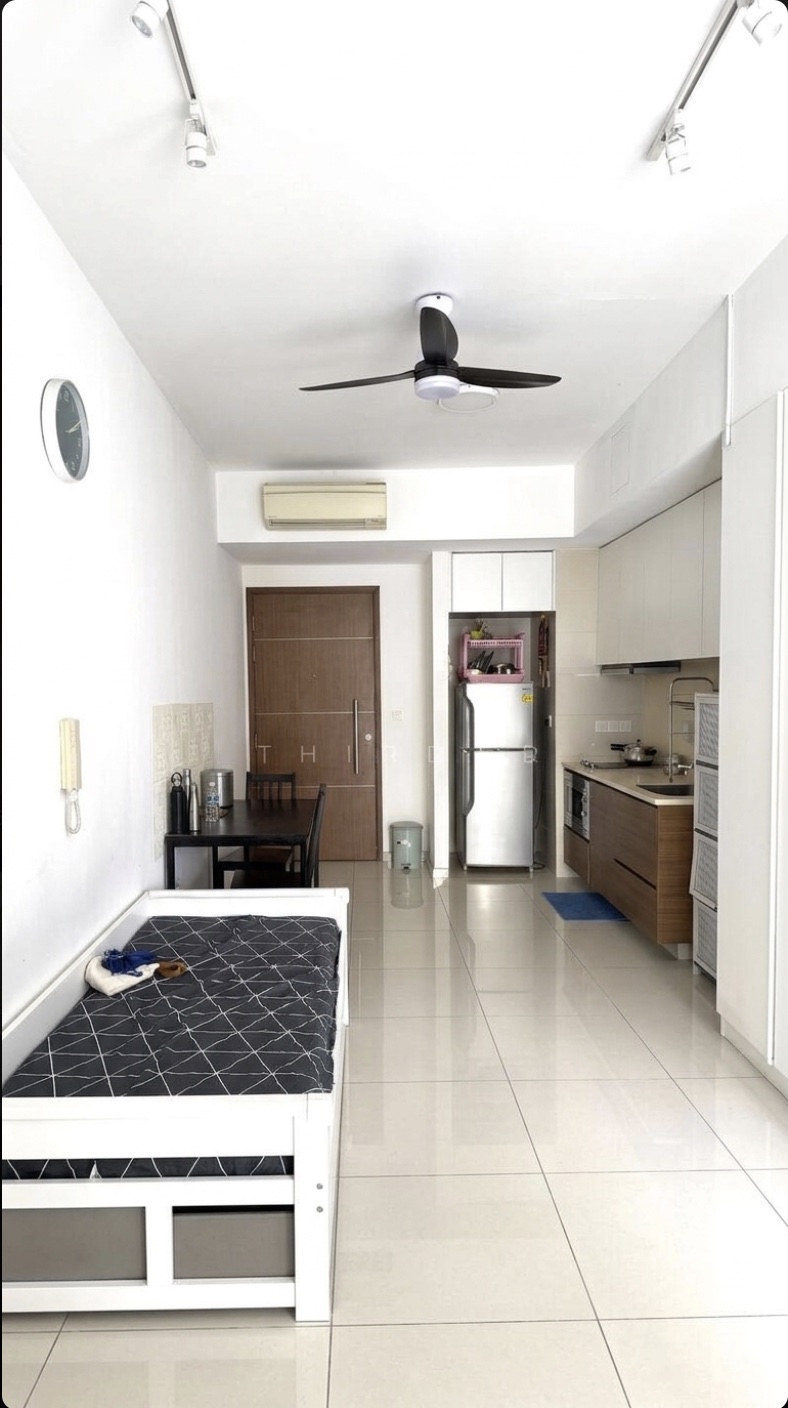
SOURCE: The reference image is a single real-estate photograph of one narrow studio apartment, seen lengthwise from the bed toward the entry door and the galley kitchen.
It already contains every object this video shows. Every frame of all three
shots is photoreal RGB footage of this one space, and nothing outside the
photograph's contents exists. Shots 2 and 3 re-frame content the photograph
already shows; the camera never turns toward a wall or region the photograph
does not cover.

SHOT 1 (0.0s – 3.0s) — THE LENGTH:
Opens on the photograph's own vantage point: the studio seen down its length,
large glossy off-white floor tiles running away from camera, the white-framed
single bed with its black diamond-lattice mattress filling the lower left, the
dark dining table against the white left wall beyond it, the dark brown wooden
entry door in the far wall, the silver two-door fridge in the alcove to its
right, and the galley kitchen running down the right side. The camera pushes IN
slowly along the room's long axis at one constant gentle rate, chest height,
level horizon, ending with the entry door and fridge dominating the frame.

HARD CUT AT 3.0s.

SHOT 2 (3.0s – 5.5s) — THE KITCHEN RUN:
A new framing from mid-floor, camera turned toward the RIGHT: the galley
kitchen fills the frame — white upper cabinets, dark wood lower cabinets, the
sink and gas hob along the counter, the tall dish rack at the far end, the blue
floor mat lying on the tiles in front of the cabinets. The camera drifts
laterally at one constant slow rate along the kitchen run toward the fridge
alcove. Chest height, level horizon.

HARD CUT AT 5.5s.

SHOT 3 (5.5s – 8.0s) — THE LEFT WALL:
A new framing from mid-floor, camera turned toward the LEFT wall: the solid
white wall with the round teal-faced clock high on it, the cream wall-mounted
intercom handset lower down, the small decorative beige tile panel beside it,
and the dark rectangular dining table with its dark chairs set against the wall
below. The cream split air-conditioner sits high on the wall above. The camera
pushes IN slowly toward the dining table at one constant gentle rate, ending
with the table top — the flask, the water bottle, the small items on it —
readable across the lower frame.

MOTION QUALITY — VERY SLOW inside every shot. Gentle gliding drift, like a slow
architectural reveal. Constant, even velocity within each shot: each move
advances by the same amount between any two equal slices of its own duration.
The three shots feel like three takes from the same tripod session in the same
room at the same hour.

CAMERA: Tripod-smooth in all three shots. Fixed focal length within each shot.
Horizon dead level and square to the frame in every shot. The camera never
passes through furniture; every vantage point is a spot a person could stand on
the open floor the photograph shows.

PERSPECTIVE AND GEOMETRY: The room's geometry is the photograph's geometry.
Wall positions, furniture positions, window placement and the proportions of
the space hold constant across all three shots. Shots 2 and 3 show the same
objects the photograph shows, from positions inside the same room, with their
real spatial relationships preserved.

SCENE LOCK — the complete object inventory, identical in every shot:
- large glossy off-white floor tiles running the length of the studio, soft
  reflections of the cabinets and daylight on them
- all walls and the ceiling flat white
- round wall clock with a teal/green face, high on the left wall
- cream wall-mounted intercom handset lower on the left wall, near the dining
  area
- small decorative beige tile panel on the left wall beside the dining table
- black ceiling fan with three dark blades and a round centre light
- cream wall-mounted split air-conditioner high on the wall above the dining
  area
- two white ceiling track-light bars, one on each side of the room
- dark rectangular dining table against the left wall with dark chairs, a metal
  flask, a clear water bottle and small items on top
- dark brown wooden entry door with a long vertical handle, in the far wall
- silver two-door fridge in the alcove right of the entry door, a pink wire
  basket sitting on top of it
- grey pedal bin standing on the tiles near the entry door
- galley kitchen along the right: white upper cabinets, dark wood lower
  cabinets, stainless sink, gas hob with a pot on it, built-in oven, tall
  dish-drying rack at the far end
- blue floor mat on the tiles in front of the kitchen cabinets
- white-framed single bed in the near foreground left, black mattress with a
  white diamond-lattice pattern, small folded cloth items on it

NOT IN THIS ROOM — these do not exist here and must never appear:
- no window, glazed panel or curtain anywhere on the left-hand wall — it is
  solid white from the clock down to the skirting
- the intercom handset never moves off the left wall: not to the kitchen wall,
  not beside the entry door, not into the fridge alcove
- no sofa, no television, no coffee table — this studio has none

MOTION IN THE SCENE: the reflections on the glossy floor tiles slide naturally as the camera moves. That is the complete list of what changes.
Every other physical object is static in all three shots. The room is
unoccupied in every frame — furniture, fixtures and fittings only.

LIGHT: one fixed lighting setup shared by all three shots — same exposure, same
white balance, same window brightness in shot 3 as in shot 1.

OUTPUT: Clean photoreal 9:16 vertical footage matching the source's real-estate
photography look — its native sharpness, grain and depth of field. Three shots,
two hard cuts, nothing else: no titles, no text, no logos, no transitions, no
people, no animals. Every mark visible in every frame is one of the physical
objects listed in SCENE LOCK.

RENDER CONTRACT — the state each axis holds for all 8.0 seconds:
  SHOT COUNT     exactly three, hard cuts at 3.0s and 5.5s
  SHOT 1 PATH    push-in along the room's long axis, constant rate
  SHOT 2 PATH    lateral drift along the kitchen run, constant rate
  SHOT 3 PATH    push-in toward the dining table on the left wall, constant rate
  CAMERA BODY    tripod-smooth, level horizon in every shot
  LENS           fixed focal length within each shot
  GEOMETRY       the photograph's room, one room only
  OCCUPANCY      unoccupied: furniture, fixtures and fittings
  OBJECTS        the SCENE LOCK inventory, in photographed positions, all shots
  IN MOTION      floor-tile reflections — the complete list
  LIGHTING       one fixed setup, constant exposure and white balance
  FRAME CONTENT  photoreal room content corner to corner, no grayscale frames
  FINISH         the source's native softness, grain and depth of field
iter 0001
k3
mean 0.737
fidelity 0.667
pass
craft —
miss s14, s06, s18
mutable/shotplans/studio.json · shot1_body
Studio scored lowest and two of its four worst checklist items are the ceiling fan blades and the ceiling track lights, which the current chest-height framing simply never puts on screen — pinning them in the top of the tall vertical frame re-frames photographed content and makes…
THREE-SHOT SEQUENCE — 8.0 seconds total, 9:16 vertical, exactly THREE shots separated by two hard cuts. Cut 1 lands at 3.0s, cut 2 at 5.5s. Inside each shot the camera makes one smooth continuous move; the cuts are instant, with zero transition frames, zero dissolves, zero wipes. SOURCE: The reference image is a singl…
THREE-SHOT SEQUENCE — 8.0 seconds total, 9:16 vertical, exactly THREE shots
separated by two hard cuts. Cut 1 lands at 3.0s, cut 2 at 5.5s. Inside each
shot the camera makes one smooth continuous move; the cuts are instant, with
zero transition frames, zero dissolves, zero wipes.

SOURCE: The reference image is a single real-estate photograph of one narrow studio apartment, seen lengthwise from the bed toward the entry door and the galley kitchen.
It already contains every object this video shows. Every frame of all three
shots is photoreal RGB footage of this one space, and nothing outside the
photograph's contents exists. Shots 2 and 3 re-frame content the photograph
already shows; the camera never turns toward a wall or region the photograph
does not cover.

SHOT 1 (0.0s – 3.0s) — THE LENGTH:
Opens on the photograph's own vantage point: the studio seen down its length,
framed ceiling-to-floor in the tall 9:16 frame so the whole height of the room
is inside the picture. In the upper frame, held there for the whole shot: the
black ceiling fan with its three dark blades and round centre light, and both
white ceiling track-light bars, one on each side of the room. Below them the
large glossy off-white floor tiles run away from camera, the white-framed
single bed with its black diamond-lattice mattress fills the lower left, the
dark dining table sits against the white left wall beyond it with the round
teal-faced clock and cream intercom handset on the wall above it, the dark
brown wooden entry door stands in the far wall, the silver two-door fridge in
the alcove to its right with the grey pedal bin on the tiles nearby, and the
galley kitchen runs down the right side. The camera pushes IN slowly along the
room's long axis at one constant gentle rate, chest height, level horizon,
keeping the ceiling fan and track bars in the top of the frame and the tiled
floor along the bottom, ending with the entry door and fridge dominating the
frame.

HARD CUT AT 3.0s.

SHOT 2 (3.0s – 5.5s) — THE KITCHEN RUN:
A new framing from mid-floor, camera turned toward the RIGHT: the galley
kitchen fills the frame — white upper cabinets, dark wood lower cabinets, the
sink and gas hob along the counter, the tall dish rack at the far end, the blue
floor mat lying on the tiles in front of the cabinets. The camera drifts
laterally at one constant slow rate along the kitchen run toward the fridge
alcove. Chest height, level horizon.

HARD CUT AT 5.5s.

SHOT 3 (5.5s – 8.0s) — THE LEFT WALL:
A new framing from mid-floor, camera turned toward the LEFT wall: the solid
white wall with the round teal-faced clock high on it, the cream wall-mounted
intercom handset lower down, the small decorative beige tile panel beside it,
and the dark rectangular dining table with its dark chairs set against the wall
below. The cream split air-conditioner sits high on the wall above. The camera
pushes IN slowly toward the dining table at one constant gentle rate, ending
with the table top — the flask, the water bottle, the small items on it —
readable across the lower frame.

MOTION QUALITY — VERY SLOW inside every shot. Gentle gliding drift, like a slow
architectural reveal. Constant, even velocity within each shot: each move
advances by the same amount between any two equal slices of its own duration.
The three shots feel like three takes from the same tripod session in the same
room at the same hour.

CAMERA: Tripod-smooth in all three shots. Fixed focal length within each shot.
Horizon dead level and square to the frame in every shot. The camera never
passes through furniture; every vantage point is a spot a person could stand on
the open floor the photograph shows.

PERSPECTIVE AND GEOMETRY: The room's geometry is the photograph's geometry.
Wall positions, furniture positions, window placement and the proportions of
the space hold constant across all three shots. Shots 2 and 3 show the same
objects the photograph shows, from positions inside the same room, with their
real spatial relationships preserved.

SCENE LOCK — the complete object inventory, identical in every shot:
- large glossy off-white floor tiles running the length of the studio, soft
  reflections of the cabinets and daylight on them
- all walls and the ceiling flat white
- round wall clock with a teal/green face, high on the left wall
- cream wall-mounted intercom handset lower on the left wall, near the dining
  area
- small decorative beige tile panel on the left wall beside the dining table
- black ceiling fan with three dark blades and a round centre light
- cream wall-mounted split air-conditioner high on the wall above the dining
  area
- two white ceiling track-light bars, one on each side of the room
- dark rectangular dining table against the left wall with dark chairs, a metal
  flask, a clear water bottle and small items on top
- dark brown wooden entry door with a long vertical handle, in the far wall
- silver two-door fridge in the alcove right of the entry door, a pink wire
  basket sitting on top of it
- grey pedal bin standing on the tiles near the entry door
- galley kitchen along the right: white upper cabinets, dark wood lower
  cabinets, stainless sink, gas hob with a pot on it, built-in oven, tall
  dish-drying rack at the far end
- blue floor mat on the tiles in front of the kitchen cabinets
- white-framed single bed in the near foreground left, black mattress with a
  white diamond-lattice pattern, small folded cloth items on it

NOT IN THIS ROOM — these do not exist here and must never appear:
- no window, glazed panel or curtain anywhere on the left-hand wall — it is
  solid white from the clock down to the skirting
- the intercom handset never moves off the left wall: not to the kitchen wall,
  not beside the entry door, not into the fridge alcove
- no sofa, no television, no coffee table — this studio has none

MOTION IN THE SCENE: the reflections on the glossy floor tiles slide naturally as the camera moves. That is the complete list of what changes.
Every other physical object is static in all three shots. The room is
unoccupied in every frame — furniture, fixtures and fittings only.

LIGHT: one fixed lighting setup shared by all three shots — same exposure, same
white balance, same window brightness in shot 3 as in shot 1.

OUTPUT: Clean photoreal 9:16 vertical footage matching the source's real-estate
photography look — its native sharpness, grain and depth of field. Three shots,
two hard cuts, nothing else: no titles, no text, no logos, no transitions, no
people, no animals. Every mark visible in every frame is one of the physical
objects listed in SCENE LOCK.

RENDER CONTRACT — the state each axis holds for all 8.0 seconds:
  SHOT COUNT     exactly three, hard cuts at 3.0s and 5.5s
  SHOT 1 PATH    push-in along the room's long axis, constant rate
  SHOT 2 PATH    lateral drift along the kitchen run, constant rate
  SHOT 3 PATH    push-in toward the dining table on the left wall, constant rate
  CAMERA BODY    tripod-smooth, level horizon in every shot
  LENS           fixed focal length within each shot
  GEOMETRY       the photograph's room, one room only
  OCCUPANCY      unoccupied: furniture, fixtures and fittings
  OBJECTS        the SCENE LOCK inventory, in photographed positions, all shots
  IN MOTION      floor-tile reflections — the complete list
  LIGHTING       one fixed setup, constant exposure and white balance
  FRAME CONTENT  photoreal room content corner to corner, no grayscale frames
  FINISH         the source's native softness, grain and depth of field
iter 0002
k3
mean 0.135
no clip
missing clip
missing clip
fidelity 0.000
missing clip
craft 0.00
mutable/shotplans/bidadari.json · shot3_body
Bidadari's two most persistent failing checklist items across both iterations are the crayon tree drawing and the console's smart speaker, which the current media-wall push-in crops out of the narrow vertical frame — aiming the same photographed wall slightly left and capping the…
THREE-SHOT SEQUENCE — 8.0 seconds total, 9:16 vertical, exactly THREE shots separated by two hard cuts. Cut 1 lands at 3.0s, cut 2 at 5.5s. Inside each shot the camera makes one smooth continuous move; the cuts are instant, with zero transition frames, zero dissolves, zero wipes. SOURCE: The reference image is a singl…
THREE-SHOT SEQUENCE — 8.0 seconds total, 9:16 vertical, exactly THREE shots
separated by two hard cuts. Cut 1 lands at 3.0s, cut 2 at 5.5s. Inside each
shot the camera makes one smooth continuous move; the cuts are instant, with
zero transition frames, zero dissolves, zero wipes.

SOURCE: The reference image is a single real-estate photograph of one narrow studio apartment, seen lengthwise from the bed toward the entry door and the galley kitchen.
It already contains every object this video shows. Every frame of all three
shots is photoreal RGB footage of this one space, and nothing outside the
photograph's contents exists. Shots 2 and 3 re-frame content the photograph
already shows; the camera never turns toward a wall or region the photograph
does not cover.

SHOT 1 (0.0s – 3.0s) — THE LENGTH:
Opens on the photograph's own vantage point: the studio seen down its length,
large glossy off-white floor tiles running away from camera, the white-framed
single bed with its black diamond-lattice mattress filling the lower left, the
dark dining table against the white left wall beyond it, the dark brown wooden
entry door in the far wall, the silver two-door fridge in the alcove to its
right, and the galley kitchen running down the right side. The camera pushes IN
slowly along the room's long axis at one constant gentle rate, chest height,
level horizon, ending with the entry door and fridge dominating the frame.

HARD CUT AT 3.0s.

SHOT 2 (3.0s – 5.5s) — THE KITCHEN RUN:
A new framing from mid-floor, camera turned toward the RIGHT: the galley
kitchen fills the frame — white upper cabinets, dark wood lower cabinets, the
sink and gas hob along the counter, the tall dish rack at the far end, the blue
floor mat lying on the tiles in front of the cabinets. The camera drifts
laterally at one constant slow rate along the kitchen run toward the fridge
alcove. Chest height, level horizon.

HARD CUT AT 5.5s.

SHOT 3 (5.5s – 8.0s) — THE LEFT WALL:
A new framing from mid-floor, camera turned toward the LEFT wall: the solid
white wall with the round teal-faced clock high on it, the cream wall-mounted
intercom handset lower down, the small decorative beige tile panel beside it,
and the dark rectangular dining table with its dark chairs set against the wall
below. The cream split air-conditioner sits high on the wall above. The camera
pushes IN slowly toward the dining table at one constant gentle rate, ending
with the table top — the flask, the water bottle, the small items on it —
readable across the lower frame.

MOTION QUALITY — VERY SLOW inside every shot. Gentle gliding drift, like a slow
architectural reveal. Constant, even velocity within each shot: each move
advances by the same amount between any two equal slices of its own duration.
The three shots feel like three takes from the same tripod session in the same
room at the same hour.

CAMERA: Tripod-smooth in all three shots. Fixed focal length within each shot.
Horizon dead level and square to the frame in every shot. The camera never
passes through furniture; every vantage point is a spot a person could stand on
the open floor the photograph shows.

PERSPECTIVE AND GEOMETRY: The room's geometry is the photograph's geometry.
Wall positions, furniture positions, window placement and the proportions of
the space hold constant across all three shots. Shots 2 and 3 show the same
objects the photograph shows, from positions inside the same room, with their
real spatial relationships preserved.

SCENE LOCK — the complete object inventory, identical in every shot:
- large glossy off-white floor tiles running the length of the studio, soft
  reflections of the cabinets and daylight on them
- all walls and the ceiling flat white
- round wall clock with a teal/green face, high on the left wall
- cream wall-mounted intercom handset lower on the left wall, near the dining
  area
- small decorative beige tile panel on the left wall beside the dining table
- black ceiling fan with three dark blades and a round centre light
- cream wall-mounted split air-conditioner high on the wall above the dining
  area
- two white ceiling track-light bars, one on each side of the room
- dark rectangular dining table against the left wall with dark chairs, a metal
  flask, a clear water bottle and small items on top
- dark brown wooden entry door with a long vertical handle, in the far wall
- silver two-door fridge in the alcove right of the entry door, a pink wire
  basket sitting on top of it
- grey pedal bin standing on the tiles near the entry door
- galley kitchen along the right: white upper cabinets, dark wood lower
  cabinets, stainless sink, gas hob with a pot on it, built-in oven, tall
  dish-drying rack at the far end
- blue floor mat on the tiles in front of the kitchen cabinets
- white-framed single bed in the near foreground left, black mattress with a
  white diamond-lattice pattern, small folded cloth items on it

NOT IN THIS ROOM — these do not exist here and must never appear:
- no window, glazed panel or curtain anywhere on the left-hand wall — it is
  solid white from the clock down to the skirting
- the intercom handset never moves off the left wall: not to the kitchen wall,
  not beside the entry door, not into the fridge alcove
- no sofa, no television, no coffee table — this studio has none

MOTION IN THE SCENE: the reflections on the glossy floor tiles slide naturally as the camera moves. That is the complete list of what changes.
Every other physical object is static in all three shots. The room is
unoccupied in every frame — furniture, fixtures and fittings only.

LIGHT: one fixed lighting setup shared by all three shots — same exposure, same
white balance, same window brightness in shot 3 as in shot 1.

OUTPUT: Clean photoreal 9:16 vertical footage matching the source's real-estate
photography look — its native sharpness, grain and depth of field. Three shots,
two hard cuts, nothing else: no titles, no text, no logos, no transitions, no
people, no animals. Every mark visible in every frame is one of the physical
objects listed in SCENE LOCK.

RENDER CONTRACT — the state each axis holds for all 8.0 seconds:
  SHOT COUNT     exactly three, hard cuts at 3.0s and 5.5s
  SHOT 1 PATH    push-in along the room's long axis, constant rate
  SHOT 2 PATH    lateral drift along the kitchen run, constant rate
  SHOT 3 PATH    push-in toward the dining table on the left wall, constant rate
  CAMERA BODY    tripod-smooth, level horizon in every shot
  LENS           fixed focal length within each shot
  GEOMETRY       the photograph's room, one room only
  OCCUPANCY      unoccupied: furniture, fixtures and fittings
  OBJECTS        the SCENE LOCK inventory, in photographed positions, all shots
  IN MOTION      floor-tile reflections — the complete list
  LIGHTING       one fixed setup, constant exposure and white balance
  FRAME CONTENT  photoreal room content corner to corner, no grayscale frames
  FINISH         the source's native softness, grain and depth of field
iter 0005
k3
mean 0.723
fidelity 0.614
pass
craft 0.88
miss s14, s04, s06
mutable/template.txt
Every iteration's judge notes are dominated by objects being cropped out of the narrow 9:16 frame and by shots collapsing into context-free close-ups, so the fix is a framing contract stated as law before the shot bodies rather than another per-room wording tweak.
THREE-SHOT SEQUENCE — 8.0 seconds total, 9:16 vertical, exactly THREE shots separated by two hard cuts. Cut 1 lands at 3.0s, cut 2 at 5.5s. Inside each shot the camera makes one smooth continuous move; the cuts are instant, with zero transition frames, zero dissolves, zero wipes. SOURCE: The reference image is a singl…
THREE-SHOT SEQUENCE — 8.0 seconds total, 9:16 vertical, exactly THREE shots
separated by two hard cuts. Cut 1 lands at 3.0s, cut 2 at 5.5s. Inside each
shot the camera makes one smooth continuous move; the cuts are instant, with
zero transition frames, zero dissolves, zero wipes.

SOURCE: The reference image is a single real-estate photograph of one narrow studio apartment, seen lengthwise from the bed toward the entry door and the galley kitchen.
It already contains every object this video shows. Every frame of all three
shots is photoreal RGB footage of this one space, and nothing outside the
photograph's contents exists. Shots 2 and 3 re-frame content the photograph
already shows; the camera never turns toward a wall or region the photograph
does not cover.

FRAMING LAW — this governs all three shots and is read before their
descriptions; where a shot description could be framed tight or wide, this
section decides, and it decides wide. The delivery frame is 9:16 vertical and
therefore a narrow column: whatever is not deliberately composed into that
column is simply absent from the video, and an object cropped out counts as an
object missing.

  WIDE BY DEFAULT — every shot, at every moment, holds at least four separate
  SCENE LOCK objects in frame together, plus one floor-to-wall junction and one
  wall-to-ceiling junction, so the room's real proportions are always legible.
  Showing more of the room is always better than showing less.

  NO SUBJECT FILLS THE FRAME — no single object ever occupies more than two
  thirds of the frame height, including on the final frame of a push-in. A
  push-in that would exceed that stops at that framing and simply holds there,
  steady and level, for the rest of its shot; it never becomes a close-up and
  it never distorts a sofa, bed, counter or table into a stretched slab.

  NEVER END ON BLANK SURFACE — no shot's last second is dominated by empty
  wall, empty floor or empty ceiling. Each shot settles on an object with
  readable detail while the surrounding room stays visible around it.

  NAMED OBJECTS STAY IN — every object named in a shot's description is inside
  the frame for the whole of that shot. The camera does not sweep past a named
  object and leave it behind; the move ends while it is still in shot.

  THE THREE FRAMINGS DIFFER — the three shots show three different parts of the
  room from three different directions, all of them parts the photograph
  covers. No two shots travel the same way toward the same subject.

SHOT 1 (0.0s – 3.0s) — THE LENGTH:
Opens on the photograph's own vantage point: the studio seen down its length,
large glossy off-white floor tiles running away from camera, the white-framed
single bed with its black diamond-lattice mattress filling the lower left, the
dark dining table against the white left wall beyond it, the dark brown wooden
entry door in the far wall, the silver two-door fridge in the alcove to its
right, and the galley kitchen running down the right side. The camera pushes IN
slowly along the room's long axis at one constant gentle rate, chest height,
level horizon, ending with the entry door and fridge dominating the frame.

HARD CUT AT 3.0s.

SHOT 2 (3.0s – 5.5s) — THE KITCHEN RUN:
A new framing from mid-floor, camera turned toward the RIGHT: the galley
kitchen fills the frame — white upper cabinets, dark wood lower cabinets, the
sink and gas hob along the counter, the tall dish rack at the far end, the blue
floor mat lying on the tiles in front of the cabinets. The camera drifts
laterally at one constant slow rate along the kitchen run toward the fridge
alcove. Chest height, level horizon.

HARD CUT AT 5.5s.

SHOT 3 (5.5s – 8.0s) — THE LEFT WALL:
A new framing from mid-floor, camera turned toward the LEFT wall: the solid
white wall with the round teal-faced clock high on it, the cream wall-mounted
intercom handset lower down, the small decorative beige tile panel beside it,
and the dark rectangular dining table with its dark chairs set against the wall
below. The cream split air-conditioner sits high on the wall above. The camera
pushes IN slowly toward the dining table at one constant gentle rate, ending
with the table top — the flask, the water bottle, the small items on it —
readable across the lower frame.

MOTION QUALITY — VERY SLOW inside every shot. Gentle gliding drift, like a slow
architectural reveal. Constant, even velocity within each shot: each move
advances by the same amount between any two equal slices of its own duration.
The three shots feel like three takes from the same tripod session in the same
room at the same hour.

CAMERA: Tripod-smooth in all three shots. Fixed focal length within each shot.
Horizon dead level and square to the frame in every shot. The camera never
passes through furniture; every vantage point is a spot a person could stand on
the open floor the photograph shows.

PERSPECTIVE AND GEOMETRY: The room's geometry is the photograph's geometry.
Wall positions, furniture positions, window placement and the proportions of
the space hold constant across all three shots. Shots 2 and 3 show the same
objects the photograph shows, from positions inside the same room, with their
real spatial relationships preserved.

SCENE LOCK — the complete object inventory, identical in every shot:
- large glossy off-white floor tiles running the length of the studio, soft
  reflections of the cabinets and daylight on them
- all walls and the ceiling flat white
- round wall clock with a teal/green face, high on the left wall
- cream wall-mounted intercom handset lower on the left wall, near the dining
  area
- small decorative beige tile panel on the left wall beside the dining table
- black ceiling fan with three dark blades and a round centre light
- cream wall-mounted split air-conditioner high on the wall above the dining
  area
- two white ceiling track-light bars, one on each side of the room
- dark rectangular dining table against the left wall with dark chairs, a metal
  flask, a clear water bottle and small items on top
- dark brown wooden entry door with a long vertical handle, in the far wall
- silver two-door fridge in the alcove right of the entry door, a pink wire
  basket sitting on top of it
- grey pedal bin standing on the tiles near the entry door
- galley kitchen along the right: white upper cabinets, dark wood lower
  cabinets, stainless sink, gas hob with a pot on it, built-in oven, tall
  dish-drying rack at the far end
- blue floor mat on the tiles in front of the kitchen cabinets
- white-framed single bed in the near foreground left, black mattress with a
  white diamond-lattice pattern, small folded cloth items on it

NOT IN THIS ROOM — these do not exist here and must never appear:
- no window, glazed panel or curtain anywhere on the left-hand wall — it is
  solid white from the clock down to the skirting
- the intercom handset never moves off the left wall: not to the kitchen wall,
  not beside the entry door, not into the fridge alcove
- no sofa, no television, no coffee table — this studio has none

MOTION IN THE SCENE: the reflections on the glossy floor tiles slide naturally as the camera moves. That is the complete list of what changes.
Every other physical object is static in all three shots. The room is
unoccupied in every frame — furniture, fixtures and fittings only.

LIGHT: one fixed lighting setup shared by all three shots — same exposure, same
white balance, same window brightness in shot 3 as in shot 1.

OUTPUT: Clean photoreal 9:16 vertical footage matching the source's real-estate
photography look — its native sharpness, grain and depth of field. Three shots,
two hard cuts, nothing else: no titles, no text, no logos, no transitions, no
people, no animals. Every mark visible in every frame is one of the physical
objects listed in SCENE LOCK.

RENDER CONTRACT — the state each axis holds for all 8.0 seconds:
  SHOT COUNT     exactly three, hard cuts at 3.0s and 5.5s
  SHOT 1 PATH    push-in along the room's long axis, constant rate
  SHOT 2 PATH    lateral drift along the kitchen run, constant rate
  SHOT 3 PATH    push-in toward the dining table on the left wall, constant rate
  CAMERA BODY    tripod-smooth, level horizon in every shot
  LENS           fixed focal length within each shot
  GEOMETRY       the photograph's room, one room only
  OCCUPANCY      unoccupied: furniture, fixtures and fittings
  OBJECTS        the SCENE LOCK inventory, in photographed positions, all shots
  IN MOTION      floor-tile reflections — the complete list
  LIGHTING       one fixed setup, constant exposure and white balance
  FRAME CONTENT  photoreal room content corner to corner, no grayscale frames
  FINISH         the source's native softness, grain and depth of field
iter 0006
k3
mean 0.745
fidelity 0.667
pass
craft 0.75
miss s14, s01, s02
mutable/shotplans/northshore.json · shot3_body
Northshore has the worst craft (0.5) because shot 3's placeholder body literally instructs a widen-back-and-rest, which produced the same near-static wide as shot 1 (c_same_view 0, c_inert 0, c_dwell 0) and invented a long stretch of floor the photo never covers — replacing it wi…
THREE-SHOT SEQUENCE — 8.0 seconds total, 9:16 vertical, exactly THREE shots separated by two hard cuts. Cut 1 lands at 3.0s, cut 2 at 5.5s. Inside each shot the camera makes one smooth continuous move; the cuts are instant, with zero transition frames, zero dissolves, zero wipes. SOURCE: The reference image is a singl…
THREE-SHOT SEQUENCE — 8.0 seconds total, 9:16 vertical, exactly THREE shots
separated by two hard cuts. Cut 1 lands at 3.0s, cut 2 at 5.5s. Inside each
shot the camera makes one smooth continuous move; the cuts are instant, with
zero transition frames, zero dissolves, zero wipes.

SOURCE: The reference image is a single real-estate photograph of one narrow studio apartment, seen lengthwise from the bed toward the entry door and the galley kitchen.
It already contains every object this video shows. Every frame of all three
shots is photoreal RGB footage of this one space, and nothing outside the
photograph's contents exists. Shots 2 and 3 re-frame content the photograph
already shows; the camera never turns toward a wall or region the photograph
does not cover.

SHOT 1 (0.0s – 3.0s) — THE LENGTH:
Opens on the photograph's own vantage point: the studio seen down its length,
large glossy off-white floor tiles running away from camera, the white-framed
single bed with its black diamond-lattice mattress filling the lower left, the
dark dining table against the white left wall beyond it, the dark brown wooden
entry door in the far wall, the silver two-door fridge in the alcove to its
right, and the galley kitchen running down the right side. The camera pushes IN
slowly along the room's long axis at one constant gentle rate, chest height,
level horizon, ending with the entry door and fridge dominating the frame.

HARD CUT AT 3.0s.

SHOT 2 (3.0s – 5.5s) — THE KITCHEN RUN:
A new framing from mid-floor, camera turned toward the RIGHT: the galley
kitchen fills the frame — white upper cabinets, dark wood lower cabinets, the
sink and gas hob along the counter, the tall dish rack at the far end, the blue
floor mat lying on the tiles in front of the cabinets. The camera drifts
laterally at one constant slow rate along the kitchen run toward the fridge
alcove. Chest height, level horizon.

HARD CUT AT 5.5s.

SHOT 3 (5.5s – 8.0s) — THE LEFT WALL:
A new framing from mid-floor, camera turned toward the LEFT wall: the solid
white wall with the round teal-faced clock high on it, the cream wall-mounted
intercom handset lower down, the small decorative beige tile panel beside it,
and the dark rectangular dining table with its dark chairs set against the wall
below. The cream split air-conditioner sits high on the wall above. The camera
pushes IN slowly toward the dining table at one constant gentle rate, ending
with the table top — the flask, the water bottle, the small items on it —
readable across the lower frame.

MOTION QUALITY — VERY SLOW inside every shot. Gentle gliding drift, like a slow
architectural reveal. Constant, even velocity within each shot: each move
advances by the same amount between any two equal slices of its own duration.
The three shots feel like three takes from the same tripod session in the same
room at the same hour.

CAMERA: Tripod-smooth in all three shots. Fixed focal length within each shot.
Horizon dead level and square to the frame in every shot. The camera never
passes through furniture; every vantage point is a spot a person could stand on
the open floor the photograph shows.

PERSPECTIVE AND GEOMETRY: The room's geometry is the photograph's geometry.
Wall positions, furniture positions, window placement and the proportions of
the space hold constant across all three shots. Shots 2 and 3 show the same
objects the photograph shows, from positions inside the same room, with their
real spatial relationships preserved.

SCENE LOCK — the complete object inventory, identical in every shot:
- large glossy off-white floor tiles running the length of the studio, soft
  reflections of the cabinets and daylight on them
- all walls and the ceiling flat white
- round wall clock with a teal/green face, high on the left wall
- cream wall-mounted intercom handset lower on the left wall, near the dining
  area
- small decorative beige tile panel on the left wall beside the dining table
- black ceiling fan with three dark blades and a round centre light
- cream wall-mounted split air-conditioner high on the wall above the dining
  area
- two white ceiling track-light bars, one on each side of the room
- dark rectangular dining table against the left wall with dark chairs, a metal
  flask, a clear water bottle and small items on top
- dark brown wooden entry door with a long vertical handle, in the far wall
- silver two-door fridge in the alcove right of the entry door, a pink wire
  basket sitting on top of it
- grey pedal bin standing on the tiles near the entry door
- galley kitchen along the right: white upper cabinets, dark wood lower
  cabinets, stainless sink, gas hob with a pot on it, built-in oven, tall
  dish-drying rack at the far end
- blue floor mat on the tiles in front of the kitchen cabinets
- white-framed single bed in the near foreground left, black mattress with a
  white diamond-lattice pattern, small folded cloth items on it

NOT IN THIS ROOM — these do not exist here and must never appear:
- no window, glazed panel or curtain anywhere on the left-hand wall — it is
  solid white from the clock down to the skirting
- the intercom handset never moves off the left wall: not to the kitchen wall,
  not beside the entry door, not into the fridge alcove
- no sofa, no television, no coffee table — this studio has none

MOTION IN THE SCENE: the reflections on the glossy floor tiles slide naturally as the camera moves. That is the complete list of what changes.
Every other physical object is static in all three shots. The room is
unoccupied in every frame — furniture, fixtures and fittings only.

LIGHT: one fixed lighting setup shared by all three shots — same exposure, same
white balance, same window brightness in shot 3 as in shot 1.

OUTPUT: Clean photoreal 9:16 vertical footage matching the source's real-estate
photography look — its native sharpness, grain and depth of field. Three shots,
two hard cuts, nothing else: no titles, no text, no logos, no transitions, no
people, no animals. Every mark visible in every frame is one of the physical
objects listed in SCENE LOCK.

RENDER CONTRACT — the state each axis holds for all 8.0 seconds:
  SHOT COUNT     exactly three, hard cuts at 3.0s and 5.5s
  SHOT 1 PATH    push-in along the room's long axis, constant rate
  SHOT 2 PATH    lateral drift along the kitchen run, constant rate
  SHOT 3 PATH    push-in toward the dining table on the left wall, constant rate
  CAMERA BODY    tripod-smooth, level horizon in every shot
  LENS           fixed focal length within each shot
  GEOMETRY       the photograph's room, one room only
  OCCUPANCY      unoccupied: furniture, fixtures and fittings
  OBJECTS        the SCENE LOCK inventory, in photographed positions, all shots
  IN MOTION      floor-tile reflections — the complete list
  LIGHTING       one fixed setup, constant exposure and white balance
  FRAME CONTENT  photoreal room content corner to corner, no grayscale frames
  FINISH         the source's native softness, grain and depth of field
iter 0008
k3
mean 0.739
fidelity 0.693
pass
craft 0.62
miss s14, s01, s02
mutable/shotplans/studio.json · shot3_body
Studio is the lowest-fidelity room in every iteration and its four worst items are the ceiling fan blades, track lights, clock and intercom, which this shot's uncapped push crops out while dead-ending on blank white wall (craft c_crop 0, and iter-6's note about a bed sliced at th…
THREE-SHOT SEQUENCE — 8.0 seconds total, 9:16 vertical, exactly THREE shots separated by two hard cuts. Cut 1 lands at 3.0s, cut 2 at 5.5s. Inside each shot the camera makes one smooth continuous move; the cuts are instant, with zero transition frames, zero dissolves, zero wipes. SOURCE: The reference image is a singl…
THREE-SHOT SEQUENCE — 8.0 seconds total, 9:16 vertical, exactly THREE shots
separated by two hard cuts. Cut 1 lands at 3.0s, cut 2 at 5.5s. Inside each
shot the camera makes one smooth continuous move; the cuts are instant, with
zero transition frames, zero dissolves, zero wipes.

SOURCE: The reference image is a single real-estate photograph of one narrow studio apartment, seen lengthwise from the bed toward the entry door and the galley kitchen.
It already contains every object this video shows. Every frame of all three
shots is photoreal RGB footage of this one space, and nothing outside the
photograph's contents exists. Shots 2 and 3 re-frame content the photograph
already shows; the camera never turns toward a wall or region the photograph
does not cover.

SHOT 1 (0.0s – 3.0s) — THE LENGTH:
Opens on the photograph's own vantage point: the studio seen down its length,
large glossy off-white floor tiles running away from camera, the white-framed
single bed with its black diamond-lattice mattress filling the lower left, the
dark dining table against the white left wall beyond it, the dark brown wooden
entry door in the far wall, the silver two-door fridge in the alcove to its
right, and the galley kitchen running down the right side. The camera pushes IN
slowly along the room's long axis at one constant gentle rate, chest height,
level horizon, ending with the entry door and fridge dominating the frame.

HARD CUT AT 3.0s.

SHOT 2 (3.0s – 5.5s) — THE KITCHEN RUN:
A new framing from mid-floor, camera turned toward the RIGHT: the galley
kitchen fills the frame — white upper cabinets, dark wood lower cabinets, the
sink and gas hob along the counter, the tall dish rack at the far end, the blue
floor mat lying on the tiles in front of the cabinets. The camera drifts
laterally at one constant slow rate along the kitchen run toward the fridge
alcove. Chest height, level horizon.

HARD CUT AT 5.5s.

SHOT 3 (5.5s – 8.0s) — THE LEFT WALL:
A new framing from mid-floor, camera turned toward the LEFT wall, framed tall so
that wall reads top to bottom inside the 9:16 frame: across the top, the white
ceiling track-light bar and the black three-blade ceiling fan with its round
centre light; in the upper third, the cream wall-mounted split air-conditioner
and the round teal-faced clock; in the middle, the cream wall-mounted intercom
handset and the small decorative beige tile panel beside it; across the lower
third, the dark rectangular dining table with its dark chairs, the metal flask,
the clear water bottle and the small items on top. The camera pushes IN slowly
toward the dining table at one constant gentle rate, and the push is SHORT: it
advances only a little and stops while the fan, the track-light bar, the clock,
the air-conditioner, the intercom handset and the tile panel are all still
inside the frame with the loaded table top readable beneath them. The move never
crops the wall down to bare white paint and never ends on an empty surface, and
the table and chairs stay whole inside the bottom edge rather than being sliced
by it. Chest height, level horizon, fixed focal length throughout.

MOTION QUALITY — VERY SLOW inside every shot. Gentle gliding drift, like a slow
architectural reveal. Constant, even velocity within each shot: each move
advances by the same amount between any two equal slices of its own duration.
The three shots feel like three takes from the same tripod session in the same
room at the same hour.

CAMERA: Tripod-smooth in all three shots. Fixed focal length within each shot.
Horizon dead level and square to the frame in every shot. The camera never
passes through furniture; every vantage point is a spot a person could stand on
the open floor the photograph shows.

PERSPECTIVE AND GEOMETRY: The room's geometry is the photograph's geometry.
Wall positions, furniture positions, window placement and the proportions of
the space hold constant across all three shots. Shots 2 and 3 show the same
objects the photograph shows, from positions inside the same room, with their
real spatial relationships preserved.

SCENE LOCK — the complete object inventory, identical in every shot:
- large glossy off-white floor tiles running the length of the studio, soft
  reflections of the cabinets and daylight on them
- all walls and the ceiling flat white
- round wall clock with a teal/green face, high on the left wall
- cream wall-mounted intercom handset lower on the left wall, near the dining
  area
- small decorative beige tile panel on the left wall beside the dining table
- black ceiling fan with three dark blades and a round centre light
- cream wall-mounted split air-conditioner high on the wall above the dining
  area
- two white ceiling track-light bars, one on each side of the room
- dark rectangular dining table against the left wall with dark chairs, a metal
  flask, a clear water bottle and small items on top
- dark brown wooden entry door with a long vertical handle, in the far wall
- silver two-door fridge in the alcove right of the entry door, a pink wire
  basket sitting on top of it
- grey pedal bin standing on the tiles near the entry door
- galley kitchen along the right: white upper cabinets, dark wood lower
  cabinets, stainless sink, gas hob with a pot on it, built-in oven, tall
  dish-drying rack at the far end
- blue floor mat on the tiles in front of the kitchen cabinets
- white-framed single bed in the near foreground left, black mattress with a
  white diamond-lattice pattern, small folded cloth items on it

NOT IN THIS ROOM — these do not exist here and must never appear:
- no window, glazed panel or curtain anywhere on the left-hand wall — it is
  solid white from the clock down to the skirting
- the intercom handset never moves off the left wall: not to the kitchen wall,
  not beside the entry door, not into the fridge alcove
- no sofa, no television, no coffee table — this studio has none

MOTION IN THE SCENE: the reflections on the glossy floor tiles slide naturally as the camera moves. That is the complete list of what changes.
Every other physical object is static in all three shots. The room is
unoccupied in every frame — furniture, fixtures and fittings only.

LIGHT: one fixed lighting setup shared by all three shots — same exposure, same
white balance, same window brightness in shot 3 as in shot 1.

OUTPUT: Clean photoreal 9:16 vertical footage matching the source's real-estate
photography look — its native sharpness, grain and depth of field. Three shots,
two hard cuts, nothing else: no titles, no text, no logos, no transitions, no
people, no animals. Every mark visible in every frame is one of the physical
objects listed in SCENE LOCK.

RENDER CONTRACT — the state each axis holds for all 8.0 seconds:
  SHOT COUNT     exactly three, hard cuts at 3.0s and 5.5s
  SHOT 1 PATH    push-in along the room's long axis, constant rate
  SHOT 2 PATH    lateral drift along the kitchen run, constant rate
  SHOT 3 PATH    push-in toward the dining table on the left wall, constant rate
  CAMERA BODY    tripod-smooth, level horizon in every shot
  LENS           fixed focal length within each shot
  GEOMETRY       the photograph's room, one room only
  OCCUPANCY      unoccupied: furniture, fixtures and fittings
  OBJECTS        the SCENE LOCK inventory, in photographed positions, all shots
  IN MOTION      floor-tile reflections — the complete list
  LIGHTING       one fixed setup, constant exposure and white balance
  FRAME CONTENT  photoreal room content corner to corner, no grayscale frames
  FINISH         the source's native softness, grain and depth of field
iter 0009
k3
mean 0.740
fidelity 0.702
pass
craft 0.75
miss s14, s01, s02
mutable/shotplans/bidadari.json · shot2_body
Bidadari's craft loses c_dead_end and c_over_push in every iteration on this shot — it collapses into a context-free close-up that ends on blank white wall — so pinning it to a held-back parallel drift that ends on the photographed window-and-dining end fixes the dead end, the ov…
THREE-SHOT SEQUENCE — 8.0 seconds total, 9:16 vertical, exactly THREE shots separated by two hard cuts. Cut 1 lands at 3.0s, cut 2 at 5.5s. Inside each shot the camera makes one smooth continuous move; the cuts are instant, with zero transition frames, zero dissolves, zero wipes. SOURCE: The reference image is a singl…
THREE-SHOT SEQUENCE — 8.0 seconds total, 9:16 vertical, exactly THREE shots
separated by two hard cuts. Cut 1 lands at 3.0s, cut 2 at 5.5s. Inside each
shot the camera makes one smooth continuous move; the cuts are instant, with
zero transition frames, zero dissolves, zero wipes.

SOURCE: The reference image is a single real-estate photograph of one narrow studio apartment, seen lengthwise from the bed toward the entry door and the galley kitchen.
It already contains every object this video shows. Every frame of all three
shots is photoreal RGB footage of this one space, and nothing outside the
photograph's contents exists. Shots 2 and 3 re-frame content the photograph
already shows; the camera never turns toward a wall or region the photograph
does not cover.

SHOT 1 (0.0s – 3.0s) — THE LENGTH:
Opens on the photograph's own vantage point: the studio seen down its length,
large glossy off-white floor tiles running away from camera, the white-framed
single bed with its black diamond-lattice mattress filling the lower left, the
dark dining table against the white left wall beyond it, the dark brown wooden
entry door in the far wall, the silver two-door fridge in the alcove to its
right, and the galley kitchen running down the right side. The camera pushes IN
slowly along the room's long axis at one constant gentle rate, chest height,
level horizon, ending with the entry door and fridge dominating the frame.

HARD CUT AT 3.0s.

SHOT 2 (3.0s – 5.5s) — THE KITCHEN RUN:
A new framing from mid-floor, camera turned toward the RIGHT: the galley
kitchen fills the frame — white upper cabinets, dark wood lower cabinets, the
sink and gas hob along the counter, the tall dish rack at the far end, the blue
floor mat lying on the tiles in front of the cabinets. The camera drifts
laterally at one constant slow rate along the kitchen run toward the fridge
alcove. Chest height, level horizon.

HARD CUT AT 5.5s.

SHOT 3 (5.5s – 8.0s) — THE LEFT WALL:
A new framing from mid-floor, camera turned toward the LEFT wall: the solid
white wall with the round teal-faced clock high on it, the cream wall-mounted
intercom handset lower down, the small decorative beige tile panel beside it,
and the dark rectangular dining table with its dark chairs set against the wall
below. The cream split air-conditioner sits high on the wall above. The camera
pushes IN slowly toward the dining table at one constant gentle rate, ending
with the table top — the flask, the water bottle, the small items on it —
readable across the lower frame.

MOTION QUALITY — VERY SLOW inside every shot. Gentle gliding drift, like a slow
architectural reveal. Constant, even velocity within each shot: each move
advances by the same amount between any two equal slices of its own duration.
The three shots feel like three takes from the same tripod session in the same
room at the same hour.

CAMERA: Tripod-smooth in all three shots. Fixed focal length within each shot.
Horizon dead level and square to the frame in every shot. The camera never
passes through furniture; every vantage point is a spot a person could stand on
the open floor the photograph shows.

PERSPECTIVE AND GEOMETRY: The room's geometry is the photograph's geometry.
Wall positions, furniture positions, window placement and the proportions of
the space hold constant across all three shots. Shots 2 and 3 show the same
objects the photograph shows, from positions inside the same room, with their
real spatial relationships preserved.

SCENE LOCK — the complete object inventory, identical in every shot:
- large glossy off-white floor tiles running the length of the studio, soft
  reflections of the cabinets and daylight on them
- all walls and the ceiling flat white
- round wall clock with a teal/green face, high on the left wall
- cream wall-mounted intercom handset lower on the left wall, near the dining
  area
- small decorative beige tile panel on the left wall beside the dining table
- black ceiling fan with three dark blades and a round centre light
- cream wall-mounted split air-conditioner high on the wall above the dining
  area
- two white ceiling track-light bars, one on each side of the room
- dark rectangular dining table against the left wall with dark chairs, a metal
  flask, a clear water bottle and small items on top
- dark brown wooden entry door with a long vertical handle, in the far wall
- silver two-door fridge in the alcove right of the entry door, a pink wire
  basket sitting on top of it
- grey pedal bin standing on the tiles near the entry door
- galley kitchen along the right: white upper cabinets, dark wood lower
  cabinets, stainless sink, gas hob with a pot on it, built-in oven, tall
  dish-drying rack at the far end
- blue floor mat on the tiles in front of the kitchen cabinets
- white-framed single bed in the near foreground left, black mattress with a
  white diamond-lattice pattern, small folded cloth items on it

NOT IN THIS ROOM — these do not exist here and must never appear:
- no window, glazed panel or curtain anywhere on the left-hand wall — it is
  solid white from the clock down to the skirting
- the intercom handset never moves off the left wall: not to the kitchen wall,
  not beside the entry door, not into the fridge alcove
- no sofa, no television, no coffee table — this studio has none

MOTION IN THE SCENE: the reflections on the glossy floor tiles slide naturally as the camera moves. That is the complete list of what changes.
Every other physical object is static in all three shots. The room is
unoccupied in every frame — furniture, fixtures and fittings only.

LIGHT: one fixed lighting setup shared by all three shots — same exposure, same
white balance, same window brightness in shot 3 as in shot 1.

OUTPUT: Clean photoreal 9:16 vertical footage matching the source's real-estate
photography look — its native sharpness, grain and depth of field. Three shots,
two hard cuts, nothing else: no titles, no text, no logos, no transitions, no
people, no animals. Every mark visible in every frame is one of the physical
objects listed in SCENE LOCK.

RENDER CONTRACT — the state each axis holds for all 8.0 seconds:
  SHOT COUNT     exactly three, hard cuts at 3.0s and 5.5s
  SHOT 1 PATH    push-in along the room's long axis, constant rate
  SHOT 2 PATH    lateral drift along the kitchen run, constant rate
  SHOT 3 PATH    push-in toward the dining table on the left wall, constant rate
  CAMERA BODY    tripod-smooth, level horizon in every shot
  LENS           fixed focal length within each shot
  GEOMETRY       the photograph's room, one room only
  OCCUPANCY      unoccupied: furniture, fixtures and fittings
  OBJECTS        the SCENE LOCK inventory, in photographed positions, all shots
  IN MOTION      floor-tile reflections — the complete list
  LIGHTING       one fixed setup, constant exposure and white balance
  FRAME CONTENT  photoreal room content corner to corner, no grayscale frames
  FINISH         the source's native softness, grain and depth of field
Bare galley kitchen kitchen
Source plate
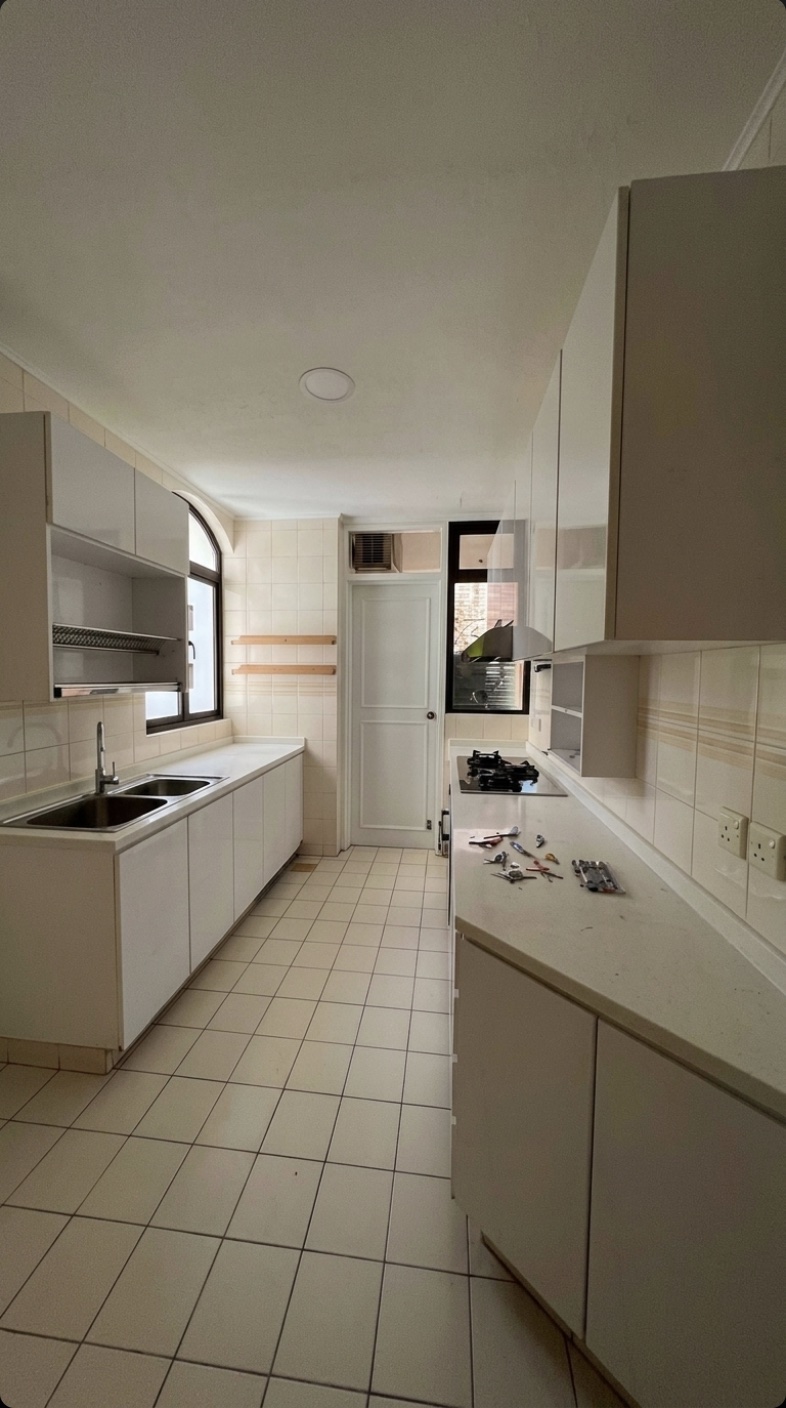
plates/kitchen.jpg
iter 0000
seed
mean 0.582
fidelity 0.637
pass
craft —
miss k12, k07, k08
baseline
seed artifacts, unmutated
THREE-SHOT SEQUENCE — 8.0 seconds total, 9:16 vertical, exactly THREE shots separated by two hard cuts. Cut 1 lands at 3.0s, cut 2 at 5.5s. Inside each shot the camera makes one smooth continuous move; the cuts are instant, with zero transition frames, zero dissolves, zero wipes. SOURCE: The reference image is a singl…
THREE-SHOT SEQUENCE — 8.0 seconds total, 9:16 vertical, exactly THREE shots
separated by two hard cuts. Cut 1 lands at 3.0s, cut 2 at 5.5s. Inside each
shot the camera makes one smooth continuous move; the cuts are instant, with
zero transition frames, zero dissolves, zero wipes.

SOURCE: The reference image is a single real-estate photograph of one bare unrenovated galley kitchen, seen down its length toward a white panelled door.
It already contains every object this video shows. Every frame of all three
shots is photoreal RGB footage of this one space, and nothing outside the
photograph's contents exists. Shots 2 and 3 re-frame content the photograph
already shows; the camera never turns toward a wall or region the photograph
does not cover.

SHOT 1 (0.0s – 3.0s) — DOWN THE GALLEY:
Opens on the photograph's own vantage point: the narrow galley seen down its
length, cream square floor tiles with grey grout running away from camera, the
white sink run on the left under the arched-top window, the pale countertop and
stainless hob on the right, the white panelled door centred in the back wall.
The camera pushes IN slowly along the galley at one constant gentle rate, chest
height, level horizon, ending with the back wall — door, wooden floating
shelves, wall air-conditioner — filling the frame.

HARD CUT AT 3.0s.

SHOT 2 (3.0s – 5.5s) — THE SINK RUN:
A new framing from mid-galley, camera turned toward the LEFT run: the white
lower cabinets and white countertop, the stainless double-bowl sink with its
tall chrome gooseneck tap, the white upper cabinets above with the open
stainless dish rack fitted beneath them, and the arched-top dark-framed window
letting daylight across the counter. The camera drifts laterally at one
constant slow rate along the run toward the sink. Counter height, level
horizon.

HARD CUT AT 5.5s.

SHOT 3 (5.5s – 8.0s) — THE HOB RUN:
A new framing from mid-galley, camera turned toward the RIGHT run: the pale
countertop with the stainless gas hob and its black pan supports, the stainless
chimney extractor hood above it, the scatter of small loose hardware and hand
tools lying on the counter, the white power sockets on the tiled wall behind,
and the tall cream cabinet columns rising to the ceiling. The camera pushes IN
slowly toward the hob and hood at one constant gentle rate, ending with the
tools on the counter readable across the lower frame.

MOTION QUALITY — VERY SLOW inside every shot. Gentle gliding drift, like a slow
architectural reveal. Constant, even velocity within each shot: each move
advances by the same amount between any two equal slices of its own duration.
The three shots feel like three takes from the same tripod session in the same
room at the same hour.

CAMERA: Tripod-smooth in all three shots. Fixed focal length within each shot.
Horizon dead level and square to the frame in every shot. The camera never
passes through furniture; every vantage point is a spot a person could stand on
the open floor the photograph shows.

PERSPECTIVE AND GEOMETRY: The room's geometry is the photograph's geometry.
Wall positions, furniture positions, window placement and the proportions of
the space hold constant across all three shots. Shots 2 and 3 show the same
objects the photograph shows, from positions inside the same room, with their
real spatial relationships preserved.

SCENE LOCK — the complete object inventory, identical in every shot:
- cream square floor tiles with grey grout, running away from camera down a
  narrow galley
- walls in cream square tile with a horizontal beige border stripe; flat white
  ceiling with one round recessed downlight
- left run: white flat-fronted lower cabinets under a white countertop
- stainless double-bowl sink at the near end of the left run
- tall chrome gooseneck mixer tap at the sink
- white upper cabinets on the left with an open stainless dish-drying rack
  fitted underneath
- arched-top dark-framed window above the left counter, daylight and greenery
  outside
- two pale wooden floating shelves on the tiled back wall, both empty
- white panelled door with a round handle centred in the back wall
- small white wall air-conditioner unit high on the back wall, left of the door
- right run: pale countertop with a stainless gas hob and black pan supports
- stainless chimney extractor hood above the hob
- a scatter of small loose hardware and hand tools lying on the right countertop
- white power sockets on the tiled wall above the right counter
- tall floor-to-ceiling cream cabinet columns on the right
- dark-framed window opening in the back-right corner beside the extractor hood

NOT IN THIS ROOM — these do not exist here and must never appear:
- no island, table, chairs or stools — the galley floor stays empty tile
- the kitchen stays bare and unrenovated: no food, no small appliances arranged
  on the counters, no plants, no styling props, no new cabinet fronts
- no window or glazed panel in the right-hand cabinet run — it is solid
  cabinetry

MOTION IN THE SCENE: daylight from the arched window shifts softly across the counters as the camera moves. That is the complete list of what changes.
Every other physical object is static in all three shots. The room is
unoccupied in every frame — furniture, fixtures and fittings only.

LIGHT: one fixed lighting setup shared by all three shots — same exposure, same
white balance, same window brightness in shot 3 as in shot 1.

OUTPUT: Clean photoreal 9:16 vertical footage matching the source's real-estate
photography look — its native sharpness, grain and depth of field. Three shots,
two hard cuts, nothing else: no titles, no text, no logos, no transitions, no
people, no animals. Every mark visible in every frame is one of the physical
objects listed in SCENE LOCK.

RENDER CONTRACT — the state each axis holds for all 8.0 seconds:
  SHOT COUNT     exactly three, hard cuts at 3.0s and 5.5s
  SHOT 1 PATH    push-in down the galley, constant rate
  SHOT 2 PATH    lateral drift along the left sink run, constant rate
  SHOT 3 PATH    push-in toward the hob and extractor hood, constant rate
  CAMERA BODY    tripod-smooth, level horizon in every shot
  LENS           fixed focal length within each shot
  GEOMETRY       the photograph's room, one room only
  OCCUPANCY      unoccupied: furniture, fixtures and fittings
  OBJECTS        the SCENE LOCK inventory, in photographed positions, all shots
  IN MOTION      daylight falloff across the counters — the complete list
  LIGHTING       one fixed setup, constant exposure and white balance
  FRAME CONTENT  photoreal room content corner to corner, no grayscale frames
  FINISH         the source's native softness, grain and depth of field
iter 0001
k3
mean 0.737
fidelity 0.755
pass
craft —
miss k12, k03, k13
mutable/shotplans/studio.json · shot1_body
Studio scored lowest and two of its four worst checklist items are the ceiling fan blades and the ceiling track lights, which the current chest-height framing simply never puts on screen — pinning them in the top of the tall vertical frame re-frames photographed content and makes…
THREE-SHOT SEQUENCE — 8.0 seconds total, 9:16 vertical, exactly THREE shots separated by two hard cuts. Cut 1 lands at 3.0s, cut 2 at 5.5s. Inside each shot the camera makes one smooth continuous move; the cuts are instant, with zero transition frames, zero dissolves, zero wipes. SOURCE: The reference image is a singl…
THREE-SHOT SEQUENCE — 8.0 seconds total, 9:16 vertical, exactly THREE shots
separated by two hard cuts. Cut 1 lands at 3.0s, cut 2 at 5.5s. Inside each
shot the camera makes one smooth continuous move; the cuts are instant, with
zero transition frames, zero dissolves, zero wipes.

SOURCE: The reference image is a single real-estate photograph of one bare unrenovated galley kitchen, seen down its length toward a white panelled door.
It already contains every object this video shows. Every frame of all three
shots is photoreal RGB footage of this one space, and nothing outside the
photograph's contents exists. Shots 2 and 3 re-frame content the photograph
already shows; the camera never turns toward a wall or region the photograph
does not cover.

SHOT 1 (0.0s – 3.0s) — DOWN THE GALLEY:
Opens on the photograph's own vantage point: the narrow galley seen down its
length, cream square floor tiles with grey grout running away from camera, the
white sink run on the left under the arched-top window, the pale countertop and
stainless hob on the right, the white panelled door centred in the back wall.
The camera pushes IN slowly along the galley at one constant gentle rate, chest
height, level horizon, ending with the back wall — door, wooden floating
shelves, wall air-conditioner — filling the frame.

HARD CUT AT 3.0s.

SHOT 2 (3.0s – 5.5s) — THE SINK RUN:
A new framing from mid-galley, camera turned toward the LEFT run: the white
lower cabinets and white countertop, the stainless double-bowl sink with its
tall chrome gooseneck tap, the white upper cabinets above with the open
stainless dish rack fitted beneath them, and the arched-top dark-framed window
letting daylight across the counter. The camera drifts laterally at one
constant slow rate along the run toward the sink. Counter height, level
horizon.

HARD CUT AT 5.5s.

SHOT 3 (5.5s – 8.0s) — THE HOB RUN:
A new framing from mid-galley, camera turned toward the RIGHT run: the pale
countertop with the stainless gas hob and its black pan supports, the stainless
chimney extractor hood above it, the scatter of small loose hardware and hand
tools lying on the counter, the white power sockets on the tiled wall behind,
and the tall cream cabinet columns rising to the ceiling. The camera pushes IN
slowly toward the hob and hood at one constant gentle rate, ending with the
tools on the counter readable across the lower frame.

MOTION QUALITY — VERY SLOW inside every shot. Gentle gliding drift, like a slow
architectural reveal. Constant, even velocity within each shot: each move
advances by the same amount between any two equal slices of its own duration.
The three shots feel like three takes from the same tripod session in the same
room at the same hour.

CAMERA: Tripod-smooth in all three shots. Fixed focal length within each shot.
Horizon dead level and square to the frame in every shot. The camera never
passes through furniture; every vantage point is a spot a person could stand on
the open floor the photograph shows.

PERSPECTIVE AND GEOMETRY: The room's geometry is the photograph's geometry.
Wall positions, furniture positions, window placement and the proportions of
the space hold constant across all three shots. Shots 2 and 3 show the same
objects the photograph shows, from positions inside the same room, with their
real spatial relationships preserved.

SCENE LOCK — the complete object inventory, identical in every shot:
- cream square floor tiles with grey grout, running away from camera down a
  narrow galley
- walls in cream square tile with a horizontal beige border stripe; flat white
  ceiling with one round recessed downlight
- left run: white flat-fronted lower cabinets under a white countertop
- stainless double-bowl sink at the near end of the left run
- tall chrome gooseneck mixer tap at the sink
- white upper cabinets on the left with an open stainless dish-drying rack
  fitted underneath
- arched-top dark-framed window above the left counter, daylight and greenery
  outside
- two pale wooden floating shelves on the tiled back wall, both empty
- white panelled door with a round handle centred in the back wall
- small white wall air-conditioner unit high on the back wall, left of the door
- right run: pale countertop with a stainless gas hob and black pan supports
- stainless chimney extractor hood above the hob
- a scatter of small loose hardware and hand tools lying on the right countertop
- white power sockets on the tiled wall above the right counter
- tall floor-to-ceiling cream cabinet columns on the right
- dark-framed window opening in the back-right corner beside the extractor hood

NOT IN THIS ROOM — these do not exist here and must never appear:
- no island, table, chairs or stools — the galley floor stays empty tile
- the kitchen stays bare and unrenovated: no food, no small appliances arranged
  on the counters, no plants, no styling props, no new cabinet fronts
- no window or glazed panel in the right-hand cabinet run — it is solid
  cabinetry

MOTION IN THE SCENE: daylight from the arched window shifts softly across the counters as the camera moves. That is the complete list of what changes.
Every other physical object is static in all three shots. The room is
unoccupied in every frame — furniture, fixtures and fittings only.

LIGHT: one fixed lighting setup shared by all three shots — same exposure, same
white balance, same window brightness in shot 3 as in shot 1.

OUTPUT: Clean photoreal 9:16 vertical footage matching the source's real-estate
photography look — its native sharpness, grain and depth of field. Three shots,
two hard cuts, nothing else: no titles, no text, no logos, no transitions, no
people, no animals. Every mark visible in every frame is one of the physical
objects listed in SCENE LOCK.

RENDER CONTRACT — the state each axis holds for all 8.0 seconds:
  SHOT COUNT     exactly three, hard cuts at 3.0s and 5.5s
  SHOT 1 PATH    push-in down the galley, constant rate
  SHOT 2 PATH    lateral drift along the left sink run, constant rate
  SHOT 3 PATH    push-in toward the hob and extractor hood, constant rate
  CAMERA BODY    tripod-smooth, level horizon in every shot
  LENS           fixed focal length within each shot
  GEOMETRY       the photograph's room, one room only
  OCCUPANCY      unoccupied: furniture, fixtures and fittings
  OBJECTS        the SCENE LOCK inventory, in photographed positions, all shots
  IN MOTION      daylight falloff across the counters — the complete list
  LIGHTING       one fixed setup, constant exposure and white balance
  FRAME CONTENT  photoreal room content corner to corner, no grayscale frames
  FINISH         the source's native softness, grain and depth of field
iter 0002
k3
mean 0.135
no clip
missing clip
missing clip
fidelity 0.000
missing clip
craft 0.00
mutable/shotplans/bidadari.json · shot3_body
Bidadari's two most persistent failing checklist items across both iterations are the crayon tree drawing and the console's smart speaker, which the current media-wall push-in crops out of the narrow vertical frame — aiming the same photographed wall slightly left and capping the…
THREE-SHOT SEQUENCE — 8.0 seconds total, 9:16 vertical, exactly THREE shots separated by two hard cuts. Cut 1 lands at 3.0s, cut 2 at 5.5s. Inside each shot the camera makes one smooth continuous move; the cuts are instant, with zero transition frames, zero dissolves, zero wipes. SOURCE: The reference image is a singl…
THREE-SHOT SEQUENCE — 8.0 seconds total, 9:16 vertical, exactly THREE shots
separated by two hard cuts. Cut 1 lands at 3.0s, cut 2 at 5.5s. Inside each
shot the camera makes one smooth continuous move; the cuts are instant, with
zero transition frames, zero dissolves, zero wipes.

SOURCE: The reference image is a single real-estate photograph of one bare unrenovated galley kitchen, seen down its length toward a white panelled door.
It already contains every object this video shows. Every frame of all three
shots is photoreal RGB footage of this one space, and nothing outside the
photograph's contents exists. Shots 2 and 3 re-frame content the photograph
already shows; the camera never turns toward a wall or region the photograph
does not cover.

SHOT 1 (0.0s – 3.0s) — DOWN THE GALLEY:
Opens on the photograph's own vantage point: the narrow galley seen down its
length, cream square floor tiles with grey grout running away from camera, the
white sink run on the left under the arched-top window, the pale countertop and
stainless hob on the right, the white panelled door centred in the back wall.
The camera pushes IN slowly along the galley at one constant gentle rate, chest
height, level horizon, ending with the back wall — door, wooden floating
shelves, wall air-conditioner — filling the frame.

HARD CUT AT 3.0s.

SHOT 2 (3.0s – 5.5s) — THE SINK RUN:
A new framing from mid-galley, camera turned toward the LEFT run: the white
lower cabinets and white countertop, the stainless double-bowl sink with its
tall chrome gooseneck tap, the white upper cabinets above with the open
stainless dish rack fitted beneath them, and the arched-top dark-framed window
letting daylight across the counter. The camera drifts laterally at one
constant slow rate along the run toward the sink. Counter height, level
horizon.

HARD CUT AT 5.5s.

SHOT 3 (5.5s – 8.0s) — THE HOB RUN:
A new framing from mid-galley, camera turned toward the RIGHT run: the pale
countertop with the stainless gas hob and its black pan supports, the stainless
chimney extractor hood above it, the scatter of small loose hardware and hand
tools lying on the counter, the white power sockets on the tiled wall behind,
and the tall cream cabinet columns rising to the ceiling. The camera pushes IN
slowly toward the hob and hood at one constant gentle rate, ending with the
tools on the counter readable across the lower frame.

MOTION QUALITY — VERY SLOW inside every shot. Gentle gliding drift, like a slow
architectural reveal. Constant, even velocity within each shot: each move
advances by the same amount between any two equal slices of its own duration.
The three shots feel like three takes from the same tripod session in the same
room at the same hour.

CAMERA: Tripod-smooth in all three shots. Fixed focal length within each shot.
Horizon dead level and square to the frame in every shot. The camera never
passes through furniture; every vantage point is a spot a person could stand on
the open floor the photograph shows.

PERSPECTIVE AND GEOMETRY: The room's geometry is the photograph's geometry.
Wall positions, furniture positions, window placement and the proportions of
the space hold constant across all three shots. Shots 2 and 3 show the same
objects the photograph shows, from positions inside the same room, with their
real spatial relationships preserved.

SCENE LOCK — the complete object inventory, identical in every shot:
- cream square floor tiles with grey grout, running away from camera down a
  narrow galley
- walls in cream square tile with a horizontal beige border stripe; flat white
  ceiling with one round recessed downlight
- left run: white flat-fronted lower cabinets under a white countertop
- stainless double-bowl sink at the near end of the left run
- tall chrome gooseneck mixer tap at the sink
- white upper cabinets on the left with an open stainless dish-drying rack
  fitted underneath
- arched-top dark-framed window above the left counter, daylight and greenery
  outside
- two pale wooden floating shelves on the tiled back wall, both empty
- white panelled door with a round handle centred in the back wall
- small white wall air-conditioner unit high on the back wall, left of the door
- right run: pale countertop with a stainless gas hob and black pan supports
- stainless chimney extractor hood above the hob
- a scatter of small loose hardware and hand tools lying on the right countertop
- white power sockets on the tiled wall above the right counter
- tall floor-to-ceiling cream cabinet columns on the right
- dark-framed window opening in the back-right corner beside the extractor hood

NOT IN THIS ROOM — these do not exist here and must never appear:
- no island, table, chairs or stools — the galley floor stays empty tile
- the kitchen stays bare and unrenovated: no food, no small appliances arranged
  on the counters, no plants, no styling props, no new cabinet fronts
- no window or glazed panel in the right-hand cabinet run — it is solid
  cabinetry

MOTION IN THE SCENE: daylight from the arched window shifts softly across the counters as the camera moves. That is the complete list of what changes.
Every other physical object is static in all three shots. The room is
unoccupied in every frame — furniture, fixtures and fittings only.

LIGHT: one fixed lighting setup shared by all three shots — same exposure, same
white balance, same window brightness in shot 3 as in shot 1.

OUTPUT: Clean photoreal 9:16 vertical footage matching the source's real-estate
photography look — its native sharpness, grain and depth of field. Three shots,
two hard cuts, nothing else: no titles, no text, no logos, no transitions, no
people, no animals. Every mark visible in every frame is one of the physical
objects listed in SCENE LOCK.

RENDER CONTRACT — the state each axis holds for all 8.0 seconds:
  SHOT COUNT     exactly three, hard cuts at 3.0s and 5.5s
  SHOT 1 PATH    push-in down the galley, constant rate
  SHOT 2 PATH    lateral drift along the left sink run, constant rate
  SHOT 3 PATH    push-in toward the hob and extractor hood, constant rate
  CAMERA BODY    tripod-smooth, level horizon in every shot
  LENS           fixed focal length within each shot
  GEOMETRY       the photograph's room, one room only
  OCCUPANCY      unoccupied: furniture, fixtures and fittings
  OBJECTS        the SCENE LOCK inventory, in photographed positions, all shots
  IN MOTION      daylight falloff across the counters — the complete list
  LIGHTING       one fixed setup, constant exposure and white balance
  FRAME CONTENT  photoreal room content corner to corner, no grayscale frames
  FINISH         the source's native softness, grain and depth of field
iter 0005
k3
mean 0.723
fidelity 0.706
pass
craft 0.75
miss k12, k03, k01
mutable/template.txt
Every iteration's judge notes are dominated by objects being cropped out of the narrow 9:16 frame and by shots collapsing into context-free close-ups, so the fix is a framing contract stated as law before the shot bodies rather than another per-room wording tweak.
THREE-SHOT SEQUENCE — 8.0 seconds total, 9:16 vertical, exactly THREE shots separated by two hard cuts. Cut 1 lands at 3.0s, cut 2 at 5.5s. Inside each shot the camera makes one smooth continuous move; the cuts are instant, with zero transition frames, zero dissolves, zero wipes. SOURCE: The reference image is a singl…
THREE-SHOT SEQUENCE — 8.0 seconds total, 9:16 vertical, exactly THREE shots
separated by two hard cuts. Cut 1 lands at 3.0s, cut 2 at 5.5s. Inside each
shot the camera makes one smooth continuous move; the cuts are instant, with
zero transition frames, zero dissolves, zero wipes.

SOURCE: The reference image is a single real-estate photograph of one bare unrenovated galley kitchen, seen down its length toward a white panelled door.
It already contains every object this video shows. Every frame of all three
shots is photoreal RGB footage of this one space, and nothing outside the
photograph's contents exists. Shots 2 and 3 re-frame content the photograph
already shows; the camera never turns toward a wall or region the photograph
does not cover.

FRAMING LAW — this governs all three shots and is read before their
descriptions; where a shot description could be framed tight or wide, this
section decides, and it decides wide. The delivery frame is 9:16 vertical and
therefore a narrow column: whatever is not deliberately composed into that
column is simply absent from the video, and an object cropped out counts as an
object missing.

  WIDE BY DEFAULT — every shot, at every moment, holds at least four separate
  SCENE LOCK objects in frame together, plus one floor-to-wall junction and one
  wall-to-ceiling junction, so the room's real proportions are always legible.
  Showing more of the room is always better than showing less.

  NO SUBJECT FILLS THE FRAME — no single object ever occupies more than two
  thirds of the frame height, including on the final frame of a push-in. A
  push-in that would exceed that stops at that framing and simply holds there,
  steady and level, for the rest of its shot; it never becomes a close-up and
  it never distorts a sofa, bed, counter or table into a stretched slab.

  NEVER END ON BLANK SURFACE — no shot's last second is dominated by empty
  wall, empty floor or empty ceiling. Each shot settles on an object with
  readable detail while the surrounding room stays visible around it.

  NAMED OBJECTS STAY IN — every object named in a shot's description is inside
  the frame for the whole of that shot. The camera does not sweep past a named
  object and leave it behind; the move ends while it is still in shot.

  THE THREE FRAMINGS DIFFER — the three shots show three different parts of the
  room from three different directions, all of them parts the photograph
  covers. No two shots travel the same way toward the same subject.

SHOT 1 (0.0s – 3.0s) — DOWN THE GALLEY:
Opens on the photograph's own vantage point: the narrow galley seen down its
length, cream square floor tiles with grey grout running away from camera, the
white sink run on the left under the arched-top window, the pale countertop and
stainless hob on the right, the white panelled door centred in the back wall.
The camera pushes IN slowly along the galley at one constant gentle rate, chest
height, level horizon, ending with the back wall — door, wooden floating
shelves, wall air-conditioner — filling the frame.

HARD CUT AT 3.0s.

SHOT 2 (3.0s – 5.5s) — THE SINK RUN:
A new framing from mid-galley, camera turned toward the LEFT run: the white
lower cabinets and white countertop, the stainless double-bowl sink with its
tall chrome gooseneck tap, the white upper cabinets above with the open
stainless dish rack fitted beneath them, and the arched-top dark-framed window
letting daylight across the counter. The camera drifts laterally at one
constant slow rate along the run toward the sink. Counter height, level
horizon.

HARD CUT AT 5.5s.

SHOT 3 (5.5s – 8.0s) — THE HOB RUN:
A new framing from mid-galley, camera turned toward the RIGHT run: the pale
countertop with the stainless gas hob and its black pan supports, the stainless
chimney extractor hood above it, the scatter of small loose hardware and hand
tools lying on the counter, the white power sockets on the tiled wall behind,
and the tall cream cabinet columns rising to the ceiling. The camera pushes IN
slowly toward the hob and hood at one constant gentle rate, ending with the
tools on the counter readable across the lower frame.

MOTION QUALITY — VERY SLOW inside every shot. Gentle gliding drift, like a slow
architectural reveal. Constant, even velocity within each shot: each move
advances by the same amount between any two equal slices of its own duration.
The three shots feel like three takes from the same tripod session in the same
room at the same hour.

CAMERA: Tripod-smooth in all three shots. Fixed focal length within each shot.
Horizon dead level and square to the frame in every shot. The camera never
passes through furniture; every vantage point is a spot a person could stand on
the open floor the photograph shows.

PERSPECTIVE AND GEOMETRY: The room's geometry is the photograph's geometry.
Wall positions, furniture positions, window placement and the proportions of
the space hold constant across all three shots. Shots 2 and 3 show the same
objects the photograph shows, from positions inside the same room, with their
real spatial relationships preserved.

SCENE LOCK — the complete object inventory, identical in every shot:
- cream square floor tiles with grey grout, running away from camera down a
  narrow galley
- walls in cream square tile with a horizontal beige border stripe; flat white
  ceiling with one round recessed downlight
- left run: white flat-fronted lower cabinets under a white countertop
- stainless double-bowl sink at the near end of the left run
- tall chrome gooseneck mixer tap at the sink
- white upper cabinets on the left with an open stainless dish-drying rack
  fitted underneath
- arched-top dark-framed window above the left counter, daylight and greenery
  outside
- two pale wooden floating shelves on the tiled back wall, both empty
- white panelled door with a round handle centred in the back wall
- small white wall air-conditioner unit high on the back wall, left of the door
- right run: pale countertop with a stainless gas hob and black pan supports
- stainless chimney extractor hood above the hob
- a scatter of small loose hardware and hand tools lying on the right countertop
- white power sockets on the tiled wall above the right counter
- tall floor-to-ceiling cream cabinet columns on the right
- dark-framed window opening in the back-right corner beside the extractor hood

NOT IN THIS ROOM — these do not exist here and must never appear:
- no island, table, chairs or stools — the galley floor stays empty tile
- the kitchen stays bare and unrenovated: no food, no small appliances arranged
  on the counters, no plants, no styling props, no new cabinet fronts
- no window or glazed panel in the right-hand cabinet run — it is solid
  cabinetry

MOTION IN THE SCENE: daylight from the arched window shifts softly across the counters as the camera moves. That is the complete list of what changes.
Every other physical object is static in all three shots. The room is
unoccupied in every frame — furniture, fixtures and fittings only.

LIGHT: one fixed lighting setup shared by all three shots — same exposure, same
white balance, same window brightness in shot 3 as in shot 1.

OUTPUT: Clean photoreal 9:16 vertical footage matching the source's real-estate
photography look — its native sharpness, grain and depth of field. Three shots,
two hard cuts, nothing else: no titles, no text, no logos, no transitions, no
people, no animals. Every mark visible in every frame is one of the physical
objects listed in SCENE LOCK.

RENDER CONTRACT — the state each axis holds for all 8.0 seconds:
  SHOT COUNT     exactly three, hard cuts at 3.0s and 5.5s
  SHOT 1 PATH    push-in down the galley, constant rate
  SHOT 2 PATH    lateral drift along the left sink run, constant rate
  SHOT 3 PATH    push-in toward the hob and extractor hood, constant rate
  CAMERA BODY    tripod-smooth, level horizon in every shot
  LENS           fixed focal length within each shot
  GEOMETRY       the photograph's room, one room only
  OCCUPANCY      unoccupied: furniture, fixtures and fittings
  OBJECTS        the SCENE LOCK inventory, in photographed positions, all shots
  IN MOTION      daylight falloff across the counters — the complete list
  LIGHTING       one fixed setup, constant exposure and white balance
  FRAME CONTENT  photoreal room content corner to corner, no grayscale frames
  FINISH         the source's native softness, grain and depth of field
iter 0006
k3
mean 0.745
fidelity 0.716
pass
craft 0.88
miss k12, k13, k03
mutable/shotplans/northshore.json · shot3_body
Northshore has the worst craft (0.5) because shot 3's placeholder body literally instructs a widen-back-and-rest, which produced the same near-static wide as shot 1 (c_same_view 0, c_inert 0, c_dwell 0) and invented a long stretch of floor the photo never covers — replacing it wi…
THREE-SHOT SEQUENCE — 8.0 seconds total, 9:16 vertical, exactly THREE shots separated by two hard cuts. Cut 1 lands at 3.0s, cut 2 at 5.5s. Inside each shot the camera makes one smooth continuous move; the cuts are instant, with zero transition frames, zero dissolves, zero wipes. SOURCE: The reference image is a singl…
THREE-SHOT SEQUENCE — 8.0 seconds total, 9:16 vertical, exactly THREE shots
separated by two hard cuts. Cut 1 lands at 3.0s, cut 2 at 5.5s. Inside each
shot the camera makes one smooth continuous move; the cuts are instant, with
zero transition frames, zero dissolves, zero wipes.

SOURCE: The reference image is a single real-estate photograph of one bare unrenovated galley kitchen, seen down its length toward a white panelled door.
It already contains every object this video shows. Every frame of all three
shots is photoreal RGB footage of this one space, and nothing outside the
photograph's contents exists. Shots 2 and 3 re-frame content the photograph
already shows; the camera never turns toward a wall or region the photograph
does not cover.

SHOT 1 (0.0s – 3.0s) — DOWN THE GALLEY:
Opens on the photograph's own vantage point: the narrow galley seen down its
length, cream square floor tiles with grey grout running away from camera, the
white sink run on the left under the arched-top window, the pale countertop and
stainless hob on the right, the white panelled door centred in the back wall.
The camera pushes IN slowly along the galley at one constant gentle rate, chest
height, level horizon, ending with the back wall — door, wooden floating
shelves, wall air-conditioner — filling the frame.

HARD CUT AT 3.0s.

SHOT 2 (3.0s – 5.5s) — THE SINK RUN:
A new framing from mid-galley, camera turned toward the LEFT run: the white
lower cabinets and white countertop, the stainless double-bowl sink with its
tall chrome gooseneck tap, the white upper cabinets above with the open
stainless dish rack fitted beneath them, and the arched-top dark-framed window
letting daylight across the counter. The camera drifts laterally at one
constant slow rate along the run toward the sink. Counter height, level
horizon.

HARD CUT AT 5.5s.

SHOT 3 (5.5s – 8.0s) — THE HOB RUN:
A new framing from mid-galley, camera turned toward the RIGHT run: the pale
countertop with the stainless gas hob and its black pan supports, the stainless
chimney extractor hood above it, the scatter of small loose hardware and hand
tools lying on the counter, the white power sockets on the tiled wall behind,
and the tall cream cabinet columns rising to the ceiling. The camera pushes IN
slowly toward the hob and hood at one constant gentle rate, ending with the
tools on the counter readable across the lower frame.

MOTION QUALITY — VERY SLOW inside every shot. Gentle gliding drift, like a slow
architectural reveal. Constant, even velocity within each shot: each move
advances by the same amount between any two equal slices of its own duration.
The three shots feel like three takes from the same tripod session in the same
room at the same hour.

CAMERA: Tripod-smooth in all three shots. Fixed focal length within each shot.
Horizon dead level and square to the frame in every shot. The camera never
passes through furniture; every vantage point is a spot a person could stand on
the open floor the photograph shows.

PERSPECTIVE AND GEOMETRY: The room's geometry is the photograph's geometry.
Wall positions, furniture positions, window placement and the proportions of
the space hold constant across all three shots. Shots 2 and 3 show the same
objects the photograph shows, from positions inside the same room, with their
real spatial relationships preserved.

SCENE LOCK — the complete object inventory, identical in every shot:
- cream square floor tiles with grey grout, running away from camera down a
  narrow galley
- walls in cream square tile with a horizontal beige border stripe; flat white
  ceiling with one round recessed downlight
- left run: white flat-fronted lower cabinets under a white countertop
- stainless double-bowl sink at the near end of the left run
- tall chrome gooseneck mixer tap at the sink
- white upper cabinets on the left with an open stainless dish-drying rack
  fitted underneath
- arched-top dark-framed window above the left counter, daylight and greenery
  outside
- two pale wooden floating shelves on the tiled back wall, both empty
- white panelled door with a round handle centred in the back wall
- small white wall air-conditioner unit high on the back wall, left of the door
- right run: pale countertop with a stainless gas hob and black pan supports
- stainless chimney extractor hood above the hob
- a scatter of small loose hardware and hand tools lying on the right countertop
- white power sockets on the tiled wall above the right counter
- tall floor-to-ceiling cream cabinet columns on the right
- dark-framed window opening in the back-right corner beside the extractor hood

NOT IN THIS ROOM — these do not exist here and must never appear:
- no island, table, chairs or stools — the galley floor stays empty tile
- the kitchen stays bare and unrenovated: no food, no small appliances arranged
  on the counters, no plants, no styling props, no new cabinet fronts
- no window or glazed panel in the right-hand cabinet run — it is solid
  cabinetry

MOTION IN THE SCENE: daylight from the arched window shifts softly across the counters as the camera moves. That is the complete list of what changes.
Every other physical object is static in all three shots. The room is
unoccupied in every frame — furniture, fixtures and fittings only.

LIGHT: one fixed lighting setup shared by all three shots — same exposure, same
white balance, same window brightness in shot 3 as in shot 1.

OUTPUT: Clean photoreal 9:16 vertical footage matching the source's real-estate
photography look — its native sharpness, grain and depth of field. Three shots,
two hard cuts, nothing else: no titles, no text, no logos, no transitions, no
people, no animals. Every mark visible in every frame is one of the physical
objects listed in SCENE LOCK.

RENDER CONTRACT — the state each axis holds for all 8.0 seconds:
  SHOT COUNT     exactly three, hard cuts at 3.0s and 5.5s
  SHOT 1 PATH    push-in down the galley, constant rate
  SHOT 2 PATH    lateral drift along the left sink run, constant rate
  SHOT 3 PATH    push-in toward the hob and extractor hood, constant rate
  CAMERA BODY    tripod-smooth, level horizon in every shot
  LENS           fixed focal length within each shot
  GEOMETRY       the photograph's room, one room only
  OCCUPANCY      unoccupied: furniture, fixtures and fittings
  OBJECTS        the SCENE LOCK inventory, in photographed positions, all shots
  IN MOTION      daylight falloff across the counters — the complete list
  LIGHTING       one fixed setup, constant exposure and white balance
  FRAME CONTENT  photoreal room content corner to corner, no grayscale frames
  FINISH         the source's native softness, grain and depth of field
iter 0008
k3
mean 0.739
fidelity 0.716
pass
craft 0.88
miss k12, k13, k03
mutable/shotplans/studio.json · shot3_body
Studio is the lowest-fidelity room in every iteration and its four worst items are the ceiling fan blades, track lights, clock and intercom, which this shot's uncapped push crops out while dead-ending on blank white wall (craft c_crop 0, and iter-6's note about a bed sliced at th…
THREE-SHOT SEQUENCE — 8.0 seconds total, 9:16 vertical, exactly THREE shots separated by two hard cuts. Cut 1 lands at 3.0s, cut 2 at 5.5s. Inside each shot the camera makes one smooth continuous move; the cuts are instant, with zero transition frames, zero dissolves, zero wipes. SOURCE: The reference image is a singl…
THREE-SHOT SEQUENCE — 8.0 seconds total, 9:16 vertical, exactly THREE shots
separated by two hard cuts. Cut 1 lands at 3.0s, cut 2 at 5.5s. Inside each
shot the camera makes one smooth continuous move; the cuts are instant, with
zero transition frames, zero dissolves, zero wipes.

SOURCE: The reference image is a single real-estate photograph of one bare unrenovated galley kitchen, seen down its length toward a white panelled door.
It already contains every object this video shows. Every frame of all three
shots is photoreal RGB footage of this one space, and nothing outside the
photograph's contents exists. Shots 2 and 3 re-frame content the photograph
already shows; the camera never turns toward a wall or region the photograph
does not cover.

SHOT 1 (0.0s – 3.0s) — DOWN THE GALLEY:
Opens on the photograph's own vantage point: the narrow galley seen down its
length, cream square floor tiles with grey grout running away from camera, the
white sink run on the left under the arched-top window, the pale countertop and
stainless hob on the right, the white panelled door centred in the back wall.
The camera pushes IN slowly along the galley at one constant gentle rate, chest
height, level horizon, ending with the back wall — door, wooden floating
shelves, wall air-conditioner — filling the frame.

HARD CUT AT 3.0s.

SHOT 2 (3.0s – 5.5s) — THE SINK RUN:
A new framing from mid-galley, camera turned toward the LEFT run: the white
lower cabinets and white countertop, the stainless double-bowl sink with its
tall chrome gooseneck tap, the white upper cabinets above with the open
stainless dish rack fitted beneath them, and the arched-top dark-framed window
letting daylight across the counter. The camera drifts laterally at one
constant slow rate along the run toward the sink. Counter height, level
horizon.

HARD CUT AT 5.5s.

SHOT 3 (5.5s – 8.0s) — THE HOB RUN:
A new framing from mid-galley, camera turned toward the RIGHT run: the pale
countertop with the stainless gas hob and its black pan supports, the stainless
chimney extractor hood above it, the scatter of small loose hardware and hand
tools lying on the counter, the white power sockets on the tiled wall behind,
and the tall cream cabinet columns rising to the ceiling. The camera pushes IN
slowly toward the hob and hood at one constant gentle rate, ending with the
tools on the counter readable across the lower frame.

MOTION QUALITY — VERY SLOW inside every shot. Gentle gliding drift, like a slow
architectural reveal. Constant, even velocity within each shot: each move
advances by the same amount between any two equal slices of its own duration.
The three shots feel like three takes from the same tripod session in the same
room at the same hour.

CAMERA: Tripod-smooth in all three shots. Fixed focal length within each shot.
Horizon dead level and square to the frame in every shot. The camera never
passes through furniture; every vantage point is a spot a person could stand on
the open floor the photograph shows.

PERSPECTIVE AND GEOMETRY: The room's geometry is the photograph's geometry.
Wall positions, furniture positions, window placement and the proportions of
the space hold constant across all three shots. Shots 2 and 3 show the same
objects the photograph shows, from positions inside the same room, with their
real spatial relationships preserved.

SCENE LOCK — the complete object inventory, identical in every shot:
- cream square floor tiles with grey grout, running away from camera down a
  narrow galley
- walls in cream square tile with a horizontal beige border stripe; flat white
  ceiling with one round recessed downlight
- left run: white flat-fronted lower cabinets under a white countertop
- stainless double-bowl sink at the near end of the left run
- tall chrome gooseneck mixer tap at the sink
- white upper cabinets on the left with an open stainless dish-drying rack
  fitted underneath
- arched-top dark-framed window above the left counter, daylight and greenery
  outside
- two pale wooden floating shelves on the tiled back wall, both empty
- white panelled door with a round handle centred in the back wall
- small white wall air-conditioner unit high on the back wall, left of the door
- right run: pale countertop with a stainless gas hob and black pan supports
- stainless chimney extractor hood above the hob
- a scatter of small loose hardware and hand tools lying on the right countertop
- white power sockets on the tiled wall above the right counter
- tall floor-to-ceiling cream cabinet columns on the right
- dark-framed window opening in the back-right corner beside the extractor hood

NOT IN THIS ROOM — these do not exist here and must never appear:
- no island, table, chairs or stools — the galley floor stays empty tile
- the kitchen stays bare and unrenovated: no food, no small appliances arranged
  on the counters, no plants, no styling props, no new cabinet fronts
- no window or glazed panel in the right-hand cabinet run — it is solid
  cabinetry

MOTION IN THE SCENE: daylight from the arched window shifts softly across the counters as the camera moves. That is the complete list of what changes.
Every other physical object is static in all three shots. The room is
unoccupied in every frame — furniture, fixtures and fittings only.

LIGHT: one fixed lighting setup shared by all three shots — same exposure, same
white balance, same window brightness in shot 3 as in shot 1.

OUTPUT: Clean photoreal 9:16 vertical footage matching the source's real-estate
photography look — its native sharpness, grain and depth of field. Three shots,
two hard cuts, nothing else: no titles, no text, no logos, no transitions, no
people, no animals. Every mark visible in every frame is one of the physical
objects listed in SCENE LOCK.

RENDER CONTRACT — the state each axis holds for all 8.0 seconds:
  SHOT COUNT     exactly three, hard cuts at 3.0s and 5.5s
  SHOT 1 PATH    push-in down the galley, constant rate
  SHOT 2 PATH    lateral drift along the left sink run, constant rate
  SHOT 3 PATH    push-in toward the hob and extractor hood, constant rate
  CAMERA BODY    tripod-smooth, level horizon in every shot
  LENS           fixed focal length within each shot
  GEOMETRY       the photograph's room, one room only
  OCCUPANCY      unoccupied: furniture, fixtures and fittings
  OBJECTS        the SCENE LOCK inventory, in photographed positions, all shots
  IN MOTION      daylight falloff across the counters — the complete list
  LIGHTING       one fixed setup, constant exposure and white balance
  FRAME CONTENT  photoreal room content corner to corner, no grayscale frames
  FINISH         the source's native softness, grain and depth of field
iter 0009
k3
mean 0.740
fidelity 0.745
pass
craft 0.62
miss k12, k03, k13
mutable/shotplans/bidadari.json · shot2_body
Bidadari's craft loses c_dead_end and c_over_push in every iteration on this shot — it collapses into a context-free close-up that ends on blank white wall — so pinning it to a held-back parallel drift that ends on the photographed window-and-dining end fixes the dead end, the ov…
THREE-SHOT SEQUENCE — 8.0 seconds total, 9:16 vertical, exactly THREE shots separated by two hard cuts. Cut 1 lands at 3.0s, cut 2 at 5.5s. Inside each shot the camera makes one smooth continuous move; the cuts are instant, with zero transition frames, zero dissolves, zero wipes. SOURCE: The reference image is a singl…
THREE-SHOT SEQUENCE — 8.0 seconds total, 9:16 vertical, exactly THREE shots
separated by two hard cuts. Cut 1 lands at 3.0s, cut 2 at 5.5s. Inside each
shot the camera makes one smooth continuous move; the cuts are instant, with
zero transition frames, zero dissolves, zero wipes.

SOURCE: The reference image is a single real-estate photograph of one bare unrenovated galley kitchen, seen down its length toward a white panelled door.
It already contains every object this video shows. Every frame of all three
shots is photoreal RGB footage of this one space, and nothing outside the
photograph's contents exists. Shots 2 and 3 re-frame content the photograph
already shows; the camera never turns toward a wall or region the photograph
does not cover.

SHOT 1 (0.0s – 3.0s) — DOWN THE GALLEY:
Opens on the photograph's own vantage point: the narrow galley seen down its
length, cream square floor tiles with grey grout running away from camera, the
white sink run on the left under the arched-top window, the pale countertop and
stainless hob on the right, the white panelled door centred in the back wall.
The camera pushes IN slowly along the galley at one constant gentle rate, chest
height, level horizon, ending with the back wall — door, wooden floating
shelves, wall air-conditioner — filling the frame.

HARD CUT AT 3.0s.

SHOT 2 (3.0s – 5.5s) — THE SINK RUN:
A new framing from mid-galley, camera turned toward the LEFT run: the white
lower cabinets and white countertop, the stainless double-bowl sink with its
tall chrome gooseneck tap, the white upper cabinets above with the open
stainless dish rack fitted beneath them, and the arched-top dark-framed window
letting daylight across the counter. The camera drifts laterally at one
constant slow rate along the run toward the sink. Counter height, level
horizon.

HARD CUT AT 5.5s.

SHOT 3 (5.5s – 8.0s) — THE HOB RUN:
A new framing from mid-galley, camera turned toward the RIGHT run: the pale
countertop with the stainless gas hob and its black pan supports, the stainless
chimney extractor hood above it, the scatter of small loose hardware and hand
tools lying on the counter, the white power sockets on the tiled wall behind,
and the tall cream cabinet columns rising to the ceiling. The camera pushes IN
slowly toward the hob and hood at one constant gentle rate, ending with the
tools on the counter readable across the lower frame.

MOTION QUALITY — VERY SLOW inside every shot. Gentle gliding drift, like a slow
architectural reveal. Constant, even velocity within each shot: each move
advances by the same amount between any two equal slices of its own duration.
The three shots feel like three takes from the same tripod session in the same
room at the same hour.

CAMERA: Tripod-smooth in all three shots. Fixed focal length within each shot.
Horizon dead level and square to the frame in every shot. The camera never
passes through furniture; every vantage point is a spot a person could stand on
the open floor the photograph shows.

PERSPECTIVE AND GEOMETRY: The room's geometry is the photograph's geometry.
Wall positions, furniture positions, window placement and the proportions of
the space hold constant across all three shots. Shots 2 and 3 show the same
objects the photograph shows, from positions inside the same room, with their
real spatial relationships preserved.

SCENE LOCK — the complete object inventory, identical in every shot:
- cream square floor tiles with grey grout, running away from camera down a
  narrow galley
- walls in cream square tile with a horizontal beige border stripe; flat white
  ceiling with one round recessed downlight
- left run: white flat-fronted lower cabinets under a white countertop
- stainless double-bowl sink at the near end of the left run
- tall chrome gooseneck mixer tap at the sink
- white upper cabinets on the left with an open stainless dish-drying rack
  fitted underneath
- arched-top dark-framed window above the left counter, daylight and greenery
  outside
- two pale wooden floating shelves on the tiled back wall, both empty
- white panelled door with a round handle centred in the back wall
- small white wall air-conditioner unit high on the back wall, left of the door
- right run: pale countertop with a stainless gas hob and black pan supports
- stainless chimney extractor hood above the hob
- a scatter of small loose hardware and hand tools lying on the right countertop
- white power sockets on the tiled wall above the right counter
- tall floor-to-ceiling cream cabinet columns on the right
- dark-framed window opening in the back-right corner beside the extractor hood

NOT IN THIS ROOM — these do not exist here and must never appear:
- no island, table, chairs or stools — the galley floor stays empty tile
- the kitchen stays bare and unrenovated: no food, no small appliances arranged
  on the counters, no plants, no styling props, no new cabinet fronts
- no window or glazed panel in the right-hand cabinet run — it is solid
  cabinetry

MOTION IN THE SCENE: daylight from the arched window shifts softly across the counters as the camera moves. That is the complete list of what changes.
Every other physical object is static in all three shots. The room is
unoccupied in every frame — furniture, fixtures and fittings only.

LIGHT: one fixed lighting setup shared by all three shots — same exposure, same
white balance, same window brightness in shot 3 as in shot 1.

OUTPUT: Clean photoreal 9:16 vertical footage matching the source's real-estate
photography look — its native sharpness, grain and depth of field. Three shots,
two hard cuts, nothing else: no titles, no text, no logos, no transitions, no
people, no animals. Every mark visible in every frame is one of the physical
objects listed in SCENE LOCK.

RENDER CONTRACT — the state each axis holds for all 8.0 seconds:
  SHOT COUNT     exactly three, hard cuts at 3.0s and 5.5s
  SHOT 1 PATH    push-in down the galley, constant rate
  SHOT 2 PATH    lateral drift along the left sink run, constant rate
  SHOT 3 PATH    push-in toward the hob and extractor hood, constant rate
  CAMERA BODY    tripod-smooth, level horizon in every shot
  LENS           fixed focal length within each shot
  GEOMETRY       the photograph's room, one room only
  OCCUPANCY      unoccupied: furniture, fixtures and fittings
  OBJECTS        the SCENE LOCK inventory, in photographed positions, all shots
  IN MOTION      daylight falloff across the counters — the complete list
  LIGHTING       one fixed setup, constant exposure and white balance
  FRAME CONTENT  photoreal room content corner to corner, no grayscale frames
  FINISH         the source's native softness, grain and depth of field
Master bedroom bedroom
Source plate
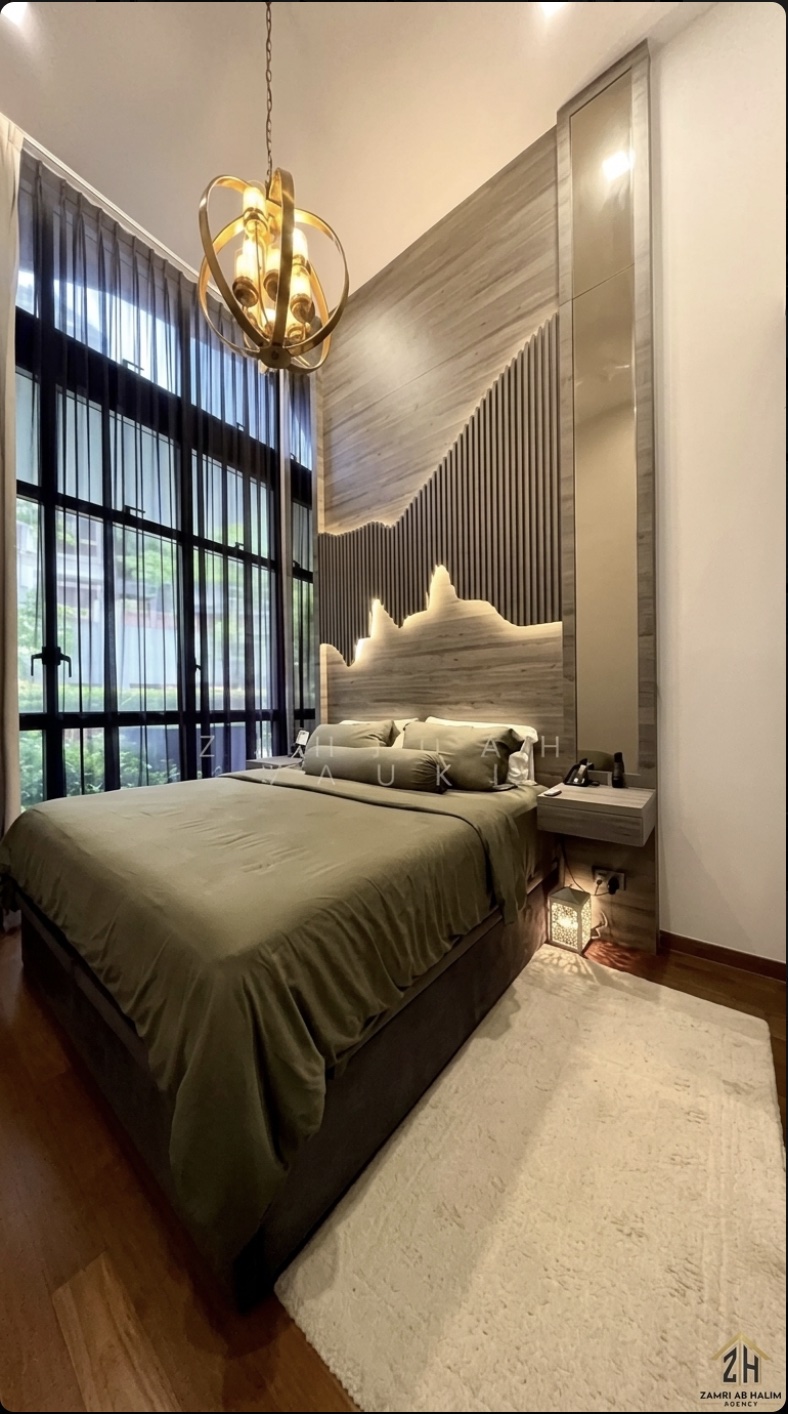
plates/bedroom.jpg
iter 0000
seed
mean 0.582
no clip
missing clip
missing clip
fidelity 0.000
missing clip
craft —
baseline
seed artifacts, unmutated
THREE-SHOT SEQUENCE — 8.0 seconds total, 9:16 vertical, exactly THREE shots separated by two hard cuts. Cut 1 lands at 3.0s, cut 2 at 5.5s. Inside each shot the camera makes one smooth continuous move; the cuts are instant, with zero transition frames, zero dissolves, zero wipes. SOURCE: The reference image is a singl…
THREE-SHOT SEQUENCE — 8.0 seconds total, 9:16 vertical, exactly THREE shots
separated by two hard cuts. Cut 1 lands at 3.0s, cut 2 at 5.5s. Inside each
shot the camera makes one smooth continuous move; the cuts are instant, with
zero transition frames, zero dissolves, zero wipes.

SOURCE: The reference image is a single real-estate photograph of one double-height master bedroom with a full-height window wall on the left and a stone-panelled feature headboard wall ahead.
It already contains every object this video shows. Every frame of all three
shots is photoreal RGB footage of this one space, and nothing outside the
photograph's contents exists. Shots 2 and 3 re-frame content the photograph
already shows; the camera never turns toward a wall or region the photograph
does not cover.

SHOT 1 (0.0s – 3.0s) — THE BED:
Opens on the photograph's own vantage point: the olive-green bed seen from its
foot on the dark hardwood floor, the off-white shaggy rug in the lower right,
the stone-panelled feature headboard wall behind with its backlit crest, the
gold orbital chandelier hanging high on the left, the dark-gridded full-height
window wall running down the left side. The camera pushes IN slowly toward the
headboard at one constant gentle rate, level horizon, ending with the pillows,
the bolster and the warm LED glow behind the crest filling the upper frame.

HARD CUT AT 3.0s.

SHOT 2 (3.0s – 5.5s) — THE BEDSIDE:
A new framing from beside the bed, camera turned toward the RIGHT of the
headboard: the tall mirrored floor-to-ceiling column with its soft reflections,
the pale floating bedside shelf below it holding a few small dark objects, and
the pierced metal lantern glowing on the hardwood floor beneath. The camera
drifts laterally at one constant slow rate along the headboard toward the
mirrored column. Level horizon.

HARD CUT AT 5.5s.

SHOT 3 (5.5s – 8.0s) — THE WINDOW WALL:
A new framing from beside the bed, camera turned toward the LEFT: the
floor-to-ceiling dark-framed window grid filling the frame, green foliage and
daylight beyond it, the pale sheer curtain gathered at its far edge, the dark
hardwood floor and the near edge of the olive duvet entering at the lower
right. The camera drifts laterally at one constant slow rate across the window
grid toward the gathered curtain. Level horizon.

MOTION QUALITY — VERY SLOW inside every shot. Gentle gliding drift, like a slow
architectural reveal. Constant, even velocity within each shot: each move
advances by the same amount between any two equal slices of its own duration.
The three shots feel like three takes from the same tripod session in the same
room at the same hour.

CAMERA: Tripod-smooth in all three shots. Fixed focal length within each shot.
Horizon dead level and square to the frame in every shot. The camera never
passes through furniture; every vantage point is a spot a person could stand on
the open floor the photograph shows.

PERSPECTIVE AND GEOMETRY: The room's geometry is the photograph's geometry.
Wall positions, furniture positions, window placement and the proportions of
the space hold constant across all three shots. Shots 2 and 3 show the same
objects the photograph shows, from positions inside the same room, with their
real spatial relationships preserved.

SCENE LOCK — the complete object inventory, identical in every shot:
- dark hardwood plank floor, warm brown, running across the room
- full-height dark-framed window grid filling the left wall, small square
  panes, green foliage and daylight outside
- pale sheer curtain gathered at the far left edge of the window wall
- gold/brass orbital sphere chandelier on a chain from the high ceiling, warm
  bulbs lit
- feature headboard wall clad in pale grey-veined stone-look panels
- vertical fluted slat panel section across part of the headboard wall
- warm backlit LED cove behind a stepped mountain-silhouette headboard crest
- large bed dressed in an olive-green quilted duvet, softly rumpled
- olive-green pillows and one long bolster cushion against the headboard
- tall mirrored floor-to-ceiling column to the right of the headboard
- pale floating bedside shelf on the right with small dark objects on it
- small pierced metal lantern glowing on the floor beneath the bedside shelf
- large off-white shaggy area rug on the floor at the foot of the bed
- flat white ceiling and plain white wall to the right of the mirrored column

NOT IN THIS ROOM — these do not exist here and must never appear:
- no window, glazed panel or curtain on the headboard wall or on the
  right-hand wall — glazing exists only on the left
- no extra ceiling downlights and no second pendant: the gold orbital
  chandelier is the only hanging fixture
- the bedside unit stays wall-mounted and floating — it never grows legs or
  becomes a floor-standing nightstand

MOTION IN THE SCENE: the reflections in the mirrored column and the daylight falloff across the duvet shift naturally as the camera moves. That is the complete list of what changes.
Every other physical object is static in all three shots. The room is
unoccupied in every frame — furniture, fixtures and fittings only.

LIGHT: one fixed lighting setup shared by all three shots — same exposure, same
white balance, same window brightness in shot 3 as in shot 1.

OUTPUT: Clean photoreal 9:16 vertical footage matching the source's real-estate
photography look — its native sharpness, grain and depth of field. Three shots,
two hard cuts, nothing else: no titles, no text, no logos, no transitions, no
people, no animals. Every mark visible in every frame is one of the physical
objects listed in SCENE LOCK.

RENDER CONTRACT — the state each axis holds for all 8.0 seconds:
  SHOT COUNT     exactly three, hard cuts at 3.0s and 5.5s
  SHOT 1 PATH    push-in toward the headboard, constant rate
  SHOT 2 PATH    lateral drift along the headboard toward the mirrored column, constant rate
  SHOT 3 PATH    lateral drift across the window wall toward the curtain, constant rate
  CAMERA BODY    tripod-smooth, level horizon in every shot
  LENS           fixed focal length within each shot
  GEOMETRY       the photograph's room, one room only
  OCCUPANCY      unoccupied: furniture, fixtures and fittings
  OBJECTS        the SCENE LOCK inventory, in photographed positions, all shots
  IN MOTION      mirror reflections and daylight falloff — the complete list
  LIGHTING       one fixed setup, constant exposure and white balance
  FRAME CONTENT  photoreal room content corner to corner, no grayscale frames
  FINISH         the source's native softness, grain and depth of field
iter 0001
k3
mean 0.737
fidelity 0.853
pass
craft —
miss d13, d03, d09
mutable/shotplans/studio.json · shot1_body
Studio scored lowest and two of its four worst checklist items are the ceiling fan blades and the ceiling track lights, which the current chest-height framing simply never puts on screen — pinning them in the top of the tall vertical frame re-frames photographed content and makes…
THREE-SHOT SEQUENCE — 8.0 seconds total, 9:16 vertical, exactly THREE shots separated by two hard cuts. Cut 1 lands at 3.0s, cut 2 at 5.5s. Inside each shot the camera makes one smooth continuous move; the cuts are instant, with zero transition frames, zero dissolves, zero wipes. SOURCE: The reference image is a singl…
THREE-SHOT SEQUENCE — 8.0 seconds total, 9:16 vertical, exactly THREE shots
separated by two hard cuts. Cut 1 lands at 3.0s, cut 2 at 5.5s. Inside each
shot the camera makes one smooth continuous move; the cuts are instant, with
zero transition frames, zero dissolves, zero wipes.

SOURCE: The reference image is a single real-estate photograph of one double-height master bedroom with a full-height window wall on the left and a stone-panelled feature headboard wall ahead.
It already contains every object this video shows. Every frame of all three
shots is photoreal RGB footage of this one space, and nothing outside the
photograph's contents exists. Shots 2 and 3 re-frame content the photograph
already shows; the camera never turns toward a wall or region the photograph
does not cover.

SHOT 1 (0.0s – 3.0s) — THE BED:
Opens on the photograph's own vantage point: the olive-green bed seen from its
foot on the dark hardwood floor, the off-white shaggy rug in the lower right,
the stone-panelled feature headboard wall behind with its backlit crest, the
gold orbital chandelier hanging high on the left, the dark-gridded full-height
window wall running down the left side. The camera pushes IN slowly toward the
headboard at one constant gentle rate, level horizon, ending with the pillows,
the bolster and the warm LED glow behind the crest filling the upper frame.

HARD CUT AT 3.0s.

SHOT 2 (3.0s – 5.5s) — THE BEDSIDE:
A new framing from beside the bed, camera turned toward the RIGHT of the
headboard: the tall mirrored floor-to-ceiling column with its soft reflections,
the pale floating bedside shelf below it holding a few small dark objects, and
the pierced metal lantern glowing on the hardwood floor beneath. The camera
drifts laterally at one constant slow rate along the headboard toward the
mirrored column. Level horizon.

HARD CUT AT 5.5s.

SHOT 3 (5.5s – 8.0s) — THE WINDOW WALL:
A new framing from beside the bed, camera turned toward the LEFT: the
floor-to-ceiling dark-framed window grid filling the frame, green foliage and
daylight beyond it, the pale sheer curtain gathered at its far edge, the dark
hardwood floor and the near edge of the olive duvet entering at the lower
right. The camera drifts laterally at one constant slow rate across the window
grid toward the gathered curtain. Level horizon.

MOTION QUALITY — VERY SLOW inside every shot. Gentle gliding drift, like a slow
architectural reveal. Constant, even velocity within each shot: each move
advances by the same amount between any two equal slices of its own duration.
The three shots feel like three takes from the same tripod session in the same
room at the same hour.

CAMERA: Tripod-smooth in all three shots. Fixed focal length within each shot.
Horizon dead level and square to the frame in every shot. The camera never
passes through furniture; every vantage point is a spot a person could stand on
the open floor the photograph shows.

PERSPECTIVE AND GEOMETRY: The room's geometry is the photograph's geometry.
Wall positions, furniture positions, window placement and the proportions of
the space hold constant across all three shots. Shots 2 and 3 show the same
objects the photograph shows, from positions inside the same room, with their
real spatial relationships preserved.

SCENE LOCK — the complete object inventory, identical in every shot:
- dark hardwood plank floor, warm brown, running across the room
- full-height dark-framed window grid filling the left wall, small square
  panes, green foliage and daylight outside
- pale sheer curtain gathered at the far left edge of the window wall
- gold/brass orbital sphere chandelier on a chain from the high ceiling, warm
  bulbs lit
- feature headboard wall clad in pale grey-veined stone-look panels
- vertical fluted slat panel section across part of the headboard wall
- warm backlit LED cove behind a stepped mountain-silhouette headboard crest
- large bed dressed in an olive-green quilted duvet, softly rumpled
- olive-green pillows and one long bolster cushion against the headboard
- tall mirrored floor-to-ceiling column to the right of the headboard
- pale floating bedside shelf on the right with small dark objects on it
- small pierced metal lantern glowing on the floor beneath the bedside shelf
- large off-white shaggy area rug on the floor at the foot of the bed
- flat white ceiling and plain white wall to the right of the mirrored column

NOT IN THIS ROOM — these do not exist here and must never appear:
- no window, glazed panel or curtain on the headboard wall or on the
  right-hand wall — glazing exists only on the left
- no extra ceiling downlights and no second pendant: the gold orbital
  chandelier is the only hanging fixture
- the bedside unit stays wall-mounted and floating — it never grows legs or
  becomes a floor-standing nightstand

MOTION IN THE SCENE: the reflections in the mirrored column and the daylight falloff across the duvet shift naturally as the camera moves. That is the complete list of what changes.
Every other physical object is static in all three shots. The room is
unoccupied in every frame — furniture, fixtures and fittings only.

LIGHT: one fixed lighting setup shared by all three shots — same exposure, same
white balance, same window brightness in shot 3 as in shot 1.

OUTPUT: Clean photoreal 9:16 vertical footage matching the source's real-estate
photography look — its native sharpness, grain and depth of field. Three shots,
two hard cuts, nothing else: no titles, no text, no logos, no transitions, no
people, no animals. Every mark visible in every frame is one of the physical
objects listed in SCENE LOCK.

RENDER CONTRACT — the state each axis holds for all 8.0 seconds:
  SHOT COUNT     exactly three, hard cuts at 3.0s and 5.5s
  SHOT 1 PATH    push-in toward the headboard, constant rate
  SHOT 2 PATH    lateral drift along the headboard toward the mirrored column, constant rate
  SHOT 3 PATH    lateral drift across the window wall toward the curtain, constant rate
  CAMERA BODY    tripod-smooth, level horizon in every shot
  LENS           fixed focal length within each shot
  GEOMETRY       the photograph's room, one room only
  OCCUPANCY      unoccupied: furniture, fixtures and fittings
  OBJECTS        the SCENE LOCK inventory, in photographed positions, all shots
  IN MOTION      mirror reflections and daylight falloff — the complete list
  LIGHTING       one fixed setup, constant exposure and white balance
  FRAME CONTENT  photoreal room content corner to corner, no grayscale frames
  FINISH         the source's native softness, grain and depth of field
iter 0002
k3
mean 0.135
no clip
missing clip
missing clip
fidelity 0.000
missing clip
craft 0.00
mutable/shotplans/bidadari.json · shot3_body
Bidadari's two most persistent failing checklist items across both iterations are the crayon tree drawing and the console's smart speaker, which the current media-wall push-in crops out of the narrow vertical frame — aiming the same photographed wall slightly left and capping the…
THREE-SHOT SEQUENCE — 8.0 seconds total, 9:16 vertical, exactly THREE shots separated by two hard cuts. Cut 1 lands at 3.0s, cut 2 at 5.5s. Inside each shot the camera makes one smooth continuous move; the cuts are instant, with zero transition frames, zero dissolves, zero wipes. SOURCE: The reference image is a singl…
THREE-SHOT SEQUENCE — 8.0 seconds total, 9:16 vertical, exactly THREE shots
separated by two hard cuts. Cut 1 lands at 3.0s, cut 2 at 5.5s. Inside each
shot the camera makes one smooth continuous move; the cuts are instant, with
zero transition frames, zero dissolves, zero wipes.

SOURCE: The reference image is a single real-estate photograph of one double-height master bedroom with a full-height window wall on the left and a stone-panelled feature headboard wall ahead.
It already contains every object this video shows. Every frame of all three
shots is photoreal RGB footage of this one space, and nothing outside the
photograph's contents exists. Shots 2 and 3 re-frame content the photograph
already shows; the camera never turns toward a wall or region the photograph
does not cover.

SHOT 1 (0.0s – 3.0s) — THE BED:
Opens on the photograph's own vantage point: the olive-green bed seen from its
foot on the dark hardwood floor, the off-white shaggy rug in the lower right,
the stone-panelled feature headboard wall behind with its backlit crest, the
gold orbital chandelier hanging high on the left, the dark-gridded full-height
window wall running down the left side. The camera pushes IN slowly toward the
headboard at one constant gentle rate, level horizon, ending with the pillows,
the bolster and the warm LED glow behind the crest filling the upper frame.

HARD CUT AT 3.0s.

SHOT 2 (3.0s – 5.5s) — THE BEDSIDE:
A new framing from beside the bed, camera turned toward the RIGHT of the
headboard: the tall mirrored floor-to-ceiling column with its soft reflections,
the pale floating bedside shelf below it holding a few small dark objects, and
the pierced metal lantern glowing on the hardwood floor beneath. The camera
drifts laterally at one constant slow rate along the headboard toward the
mirrored column. Level horizon.

HARD CUT AT 5.5s.

SHOT 3 (5.5s – 8.0s) — THE WINDOW WALL:
A new framing from beside the bed, camera turned toward the LEFT: the
floor-to-ceiling dark-framed window grid filling the frame, green foliage and
daylight beyond it, the pale sheer curtain gathered at its far edge, the dark
hardwood floor and the near edge of the olive duvet entering at the lower
right. The camera drifts laterally at one constant slow rate across the window
grid toward the gathered curtain. Level horizon.

MOTION QUALITY — VERY SLOW inside every shot. Gentle gliding drift, like a slow
architectural reveal. Constant, even velocity within each shot: each move
advances by the same amount between any two equal slices of its own duration.
The three shots feel like three takes from the same tripod session in the same
room at the same hour.

CAMERA: Tripod-smooth in all three shots. Fixed focal length within each shot.
Horizon dead level and square to the frame in every shot. The camera never
passes through furniture; every vantage point is a spot a person could stand on
the open floor the photograph shows.

PERSPECTIVE AND GEOMETRY: The room's geometry is the photograph's geometry.
Wall positions, furniture positions, window placement and the proportions of
the space hold constant across all three shots. Shots 2 and 3 show the same
objects the photograph shows, from positions inside the same room, with their
real spatial relationships preserved.

SCENE LOCK — the complete object inventory, identical in every shot:
- dark hardwood plank floor, warm brown, running across the room
- full-height dark-framed window grid filling the left wall, small square
  panes, green foliage and daylight outside
- pale sheer curtain gathered at the far left edge of the window wall
- gold/brass orbital sphere chandelier on a chain from the high ceiling, warm
  bulbs lit
- feature headboard wall clad in pale grey-veined stone-look panels
- vertical fluted slat panel section across part of the headboard wall
- warm backlit LED cove behind a stepped mountain-silhouette headboard crest
- large bed dressed in an olive-green quilted duvet, softly rumpled
- olive-green pillows and one long bolster cushion against the headboard
- tall mirrored floor-to-ceiling column to the right of the headboard
- pale floating bedside shelf on the right with small dark objects on it
- small pierced metal lantern glowing on the floor beneath the bedside shelf
- large off-white shaggy area rug on the floor at the foot of the bed
- flat white ceiling and plain white wall to the right of the mirrored column

NOT IN THIS ROOM — these do not exist here and must never appear:
- no window, glazed panel or curtain on the headboard wall or on the
  right-hand wall — glazing exists only on the left
- no extra ceiling downlights and no second pendant: the gold orbital
  chandelier is the only hanging fixture
- the bedside unit stays wall-mounted and floating — it never grows legs or
  becomes a floor-standing nightstand

MOTION IN THE SCENE: the reflections in the mirrored column and the daylight falloff across the duvet shift naturally as the camera moves. That is the complete list of what changes.
Every other physical object is static in all three shots. The room is
unoccupied in every frame — furniture, fixtures and fittings only.

LIGHT: one fixed lighting setup shared by all three shots — same exposure, same
white balance, same window brightness in shot 3 as in shot 1.

OUTPUT: Clean photoreal 9:16 vertical footage matching the source's real-estate
photography look — its native sharpness, grain and depth of field. Three shots,
two hard cuts, nothing else: no titles, no text, no logos, no transitions, no
people, no animals. Every mark visible in every frame is one of the physical
objects listed in SCENE LOCK.

RENDER CONTRACT — the state each axis holds for all 8.0 seconds:
  SHOT COUNT     exactly three, hard cuts at 3.0s and 5.5s
  SHOT 1 PATH    push-in toward the headboard, constant rate
  SHOT 2 PATH    lateral drift along the headboard toward the mirrored column, constant rate
  SHOT 3 PATH    lateral drift across the window wall toward the curtain, constant rate
  CAMERA BODY    tripod-smooth, level horizon in every shot
  LENS           fixed focal length within each shot
  GEOMETRY       the photograph's room, one room only
  OCCUPANCY      unoccupied: furniture, fixtures and fittings
  OBJECTS        the SCENE LOCK inventory, in photographed positions, all shots
  IN MOTION      mirror reflections and daylight falloff — the complete list
  LIGHTING       one fixed setup, constant exposure and white balance
  FRAME CONTENT  photoreal room content corner to corner, no grayscale frames
  FINISH         the source's native softness, grain and depth of field
iter 0005
k3
mean 0.723
fidelity 0.814
pass
craft 0.62
miss d03, d13, d04
mutable/template.txt
Every iteration's judge notes are dominated by objects being cropped out of the narrow 9:16 frame and by shots collapsing into context-free close-ups, so the fix is a framing contract stated as law before the shot bodies rather than another per-room wording tweak.
THREE-SHOT SEQUENCE — 8.0 seconds total, 9:16 vertical, exactly THREE shots separated by two hard cuts. Cut 1 lands at 3.0s, cut 2 at 5.5s. Inside each shot the camera makes one smooth continuous move; the cuts are instant, with zero transition frames, zero dissolves, zero wipes. SOURCE: The reference image is a singl…
THREE-SHOT SEQUENCE — 8.0 seconds total, 9:16 vertical, exactly THREE shots
separated by two hard cuts. Cut 1 lands at 3.0s, cut 2 at 5.5s. Inside each
shot the camera makes one smooth continuous move; the cuts are instant, with
zero transition frames, zero dissolves, zero wipes.

SOURCE: The reference image is a single real-estate photograph of one double-height master bedroom with a full-height window wall on the left and a stone-panelled feature headboard wall ahead.
It already contains every object this video shows. Every frame of all three
shots is photoreal RGB footage of this one space, and nothing outside the
photograph's contents exists. Shots 2 and 3 re-frame content the photograph
already shows; the camera never turns toward a wall or region the photograph
does not cover.

FRAMING LAW — this governs all three shots and is read before their
descriptions; where a shot description could be framed tight or wide, this
section decides, and it decides wide. The delivery frame is 9:16 vertical and
therefore a narrow column: whatever is not deliberately composed into that
column is simply absent from the video, and an object cropped out counts as an
object missing.

  WIDE BY DEFAULT — every shot, at every moment, holds at least four separate
  SCENE LOCK objects in frame together, plus one floor-to-wall junction and one
  wall-to-ceiling junction, so the room's real proportions are always legible.
  Showing more of the room is always better than showing less.

  NO SUBJECT FILLS THE FRAME — no single object ever occupies more than two
  thirds of the frame height, including on the final frame of a push-in. A
  push-in that would exceed that stops at that framing and simply holds there,
  steady and level, for the rest of its shot; it never becomes a close-up and
  it never distorts a sofa, bed, counter or table into a stretched slab.

  NEVER END ON BLANK SURFACE — no shot's last second is dominated by empty
  wall, empty floor or empty ceiling. Each shot settles on an object with
  readable detail while the surrounding room stays visible around it.

  NAMED OBJECTS STAY IN — every object named in a shot's description is inside
  the frame for the whole of that shot. The camera does not sweep past a named
  object and leave it behind; the move ends while it is still in shot.

  THE THREE FRAMINGS DIFFER — the three shots show three different parts of the
  room from three different directions, all of them parts the photograph
  covers. No two shots travel the same way toward the same subject.

SHOT 1 (0.0s – 3.0s) — THE BED:
Opens on the photograph's own vantage point: the olive-green bed seen from its
foot on the dark hardwood floor, the off-white shaggy rug in the lower right,
the stone-panelled feature headboard wall behind with its backlit crest, the
gold orbital chandelier hanging high on the left, the dark-gridded full-height
window wall running down the left side. The camera pushes IN slowly toward the
headboard at one constant gentle rate, level horizon, ending with the pillows,
the bolster and the warm LED glow behind the crest filling the upper frame.

HARD CUT AT 3.0s.

SHOT 2 (3.0s – 5.5s) — THE BEDSIDE:
A new framing from beside the bed, camera turned toward the RIGHT of the
headboard: the tall mirrored floor-to-ceiling column with its soft reflections,
the pale floating bedside shelf below it holding a few small dark objects, and
the pierced metal lantern glowing on the hardwood floor beneath. The camera
drifts laterally at one constant slow rate along the headboard toward the
mirrored column. Level horizon.

HARD CUT AT 5.5s.

SHOT 3 (5.5s – 8.0s) — THE WINDOW WALL:
A new framing from beside the bed, camera turned toward the LEFT: the
floor-to-ceiling dark-framed window grid filling the frame, green foliage and
daylight beyond it, the pale sheer curtain gathered at its far edge, the dark
hardwood floor and the near edge of the olive duvet entering at the lower
right. The camera drifts laterally at one constant slow rate across the window
grid toward the gathered curtain. Level horizon.

MOTION QUALITY — VERY SLOW inside every shot. Gentle gliding drift, like a slow
architectural reveal. Constant, even velocity within each shot: each move
advances by the same amount between any two equal slices of its own duration.
The three shots feel like three takes from the same tripod session in the same
room at the same hour.

CAMERA: Tripod-smooth in all three shots. Fixed focal length within each shot.
Horizon dead level and square to the frame in every shot. The camera never
passes through furniture; every vantage point is a spot a person could stand on
the open floor the photograph shows.

PERSPECTIVE AND GEOMETRY: The room's geometry is the photograph's geometry.
Wall positions, furniture positions, window placement and the proportions of
the space hold constant across all three shots. Shots 2 and 3 show the same
objects the photograph shows, from positions inside the same room, with their
real spatial relationships preserved.

SCENE LOCK — the complete object inventory, identical in every shot:
- dark hardwood plank floor, warm brown, running across the room
- full-height dark-framed window grid filling the left wall, small square
  panes, green foliage and daylight outside
- pale sheer curtain gathered at the far left edge of the window wall
- gold/brass orbital sphere chandelier on a chain from the high ceiling, warm
  bulbs lit
- feature headboard wall clad in pale grey-veined stone-look panels
- vertical fluted slat panel section across part of the headboard wall
- warm backlit LED cove behind a stepped mountain-silhouette headboard crest
- large bed dressed in an olive-green quilted duvet, softly rumpled
- olive-green pillows and one long bolster cushion against the headboard
- tall mirrored floor-to-ceiling column to the right of the headboard
- pale floating bedside shelf on the right with small dark objects on it
- small pierced metal lantern glowing on the floor beneath the bedside shelf
- large off-white shaggy area rug on the floor at the foot of the bed
- flat white ceiling and plain white wall to the right of the mirrored column

NOT IN THIS ROOM — these do not exist here and must never appear:
- no window, glazed panel or curtain on the headboard wall or on the
  right-hand wall — glazing exists only on the left
- no extra ceiling downlights and no second pendant: the gold orbital
  chandelier is the only hanging fixture
- the bedside unit stays wall-mounted and floating — it never grows legs or
  becomes a floor-standing nightstand

MOTION IN THE SCENE: the reflections in the mirrored column and the daylight falloff across the duvet shift naturally as the camera moves. That is the complete list of what changes.
Every other physical object is static in all three shots. The room is
unoccupied in every frame — furniture, fixtures and fittings only.

LIGHT: one fixed lighting setup shared by all three shots — same exposure, same
white balance, same window brightness in shot 3 as in shot 1.

OUTPUT: Clean photoreal 9:16 vertical footage matching the source's real-estate
photography look — its native sharpness, grain and depth of field. Three shots,
two hard cuts, nothing else: no titles, no text, no logos, no transitions, no
people, no animals. Every mark visible in every frame is one of the physical
objects listed in SCENE LOCK.

RENDER CONTRACT — the state each axis holds for all 8.0 seconds:
  SHOT COUNT     exactly three, hard cuts at 3.0s and 5.5s
  SHOT 1 PATH    push-in toward the headboard, constant rate
  SHOT 2 PATH    lateral drift along the headboard toward the mirrored column, constant rate
  SHOT 3 PATH    lateral drift across the window wall toward the curtain, constant rate
  CAMERA BODY    tripod-smooth, level horizon in every shot
  LENS           fixed focal length within each shot
  GEOMETRY       the photograph's room, one room only
  OCCUPANCY      unoccupied: furniture, fixtures and fittings
  OBJECTS        the SCENE LOCK inventory, in photographed positions, all shots
  IN MOTION      mirror reflections and daylight falloff — the complete list
  LIGHTING       one fixed setup, constant exposure and white balance
  FRAME CONTENT  photoreal room content corner to corner, no grayscale frames
  FINISH         the source's native softness, grain and depth of field
iter 0006
k3
mean 0.745
fidelity 0.824
pass
craft 0.62
miss d12, d02, d03
mutable/shotplans/northshore.json · shot3_body
Northshore has the worst craft (0.5) because shot 3's placeholder body literally instructs a widen-back-and-rest, which produced the same near-static wide as shot 1 (c_same_view 0, c_inert 0, c_dwell 0) and invented a long stretch of floor the photo never covers — replacing it wi…
THREE-SHOT SEQUENCE — 8.0 seconds total, 9:16 vertical, exactly THREE shots separated by two hard cuts. Cut 1 lands at 3.0s, cut 2 at 5.5s. Inside each shot the camera makes one smooth continuous move; the cuts are instant, with zero transition frames, zero dissolves, zero wipes. SOURCE: The reference image is a singl…
THREE-SHOT SEQUENCE — 8.0 seconds total, 9:16 vertical, exactly THREE shots
separated by two hard cuts. Cut 1 lands at 3.0s, cut 2 at 5.5s. Inside each
shot the camera makes one smooth continuous move; the cuts are instant, with
zero transition frames, zero dissolves, zero wipes.

SOURCE: The reference image is a single real-estate photograph of one double-height master bedroom with a full-height window wall on the left and a stone-panelled feature headboard wall ahead.
It already contains every object this video shows. Every frame of all three
shots is photoreal RGB footage of this one space, and nothing outside the
photograph's contents exists. Shots 2 and 3 re-frame content the photograph
already shows; the camera never turns toward a wall or region the photograph
does not cover.

SHOT 1 (0.0s – 3.0s) — THE BED:
Opens on the photograph's own vantage point: the olive-green bed seen from its
foot on the dark hardwood floor, the off-white shaggy rug in the lower right,
the stone-panelled feature headboard wall behind with its backlit crest, the
gold orbital chandelier hanging high on the left, the dark-gridded full-height
window wall running down the left side. The camera pushes IN slowly toward the
headboard at one constant gentle rate, level horizon, ending with the pillows,
the bolster and the warm LED glow behind the crest filling the upper frame.

HARD CUT AT 3.0s.

SHOT 2 (3.0s – 5.5s) — THE BEDSIDE:
A new framing from beside the bed, camera turned toward the RIGHT of the
headboard: the tall mirrored floor-to-ceiling column with its soft reflections,
the pale floating bedside shelf below it holding a few small dark objects, and
the pierced metal lantern glowing on the hardwood floor beneath. The camera
drifts laterally at one constant slow rate along the headboard toward the
mirrored column. Level horizon.

HARD CUT AT 5.5s.

SHOT 3 (5.5s – 8.0s) — THE WINDOW WALL:
A new framing from beside the bed, camera turned toward the LEFT: the
floor-to-ceiling dark-framed window grid filling the frame, green foliage and
daylight beyond it, the pale sheer curtain gathered at its far edge, the dark
hardwood floor and the near edge of the olive duvet entering at the lower
right. The camera drifts laterally at one constant slow rate across the window
grid toward the gathered curtain. Level horizon.

MOTION QUALITY — VERY SLOW inside every shot. Gentle gliding drift, like a slow
architectural reveal. Constant, even velocity within each shot: each move
advances by the same amount between any two equal slices of its own duration.
The three shots feel like three takes from the same tripod session in the same
room at the same hour.

CAMERA: Tripod-smooth in all three shots. Fixed focal length within each shot.
Horizon dead level and square to the frame in every shot. The camera never
passes through furniture; every vantage point is a spot a person could stand on
the open floor the photograph shows.

PERSPECTIVE AND GEOMETRY: The room's geometry is the photograph's geometry.
Wall positions, furniture positions, window placement and the proportions of
the space hold constant across all three shots. Shots 2 and 3 show the same
objects the photograph shows, from positions inside the same room, with their
real spatial relationships preserved.

SCENE LOCK — the complete object inventory, identical in every shot:
- dark hardwood plank floor, warm brown, running across the room
- full-height dark-framed window grid filling the left wall, small square
  panes, green foliage and daylight outside
- pale sheer curtain gathered at the far left edge of the window wall
- gold/brass orbital sphere chandelier on a chain from the high ceiling, warm
  bulbs lit
- feature headboard wall clad in pale grey-veined stone-look panels
- vertical fluted slat panel section across part of the headboard wall
- warm backlit LED cove behind a stepped mountain-silhouette headboard crest
- large bed dressed in an olive-green quilted duvet, softly rumpled
- olive-green pillows and one long bolster cushion against the headboard
- tall mirrored floor-to-ceiling column to the right of the headboard
- pale floating bedside shelf on the right with small dark objects on it
- small pierced metal lantern glowing on the floor beneath the bedside shelf
- large off-white shaggy area rug on the floor at the foot of the bed
- flat white ceiling and plain white wall to the right of the mirrored column

NOT IN THIS ROOM — these do not exist here and must never appear:
- no window, glazed panel or curtain on the headboard wall or on the
  right-hand wall — glazing exists only on the left
- no extra ceiling downlights and no second pendant: the gold orbital
  chandelier is the only hanging fixture
- the bedside unit stays wall-mounted and floating — it never grows legs or
  becomes a floor-standing nightstand

MOTION IN THE SCENE: the reflections in the mirrored column and the daylight falloff across the duvet shift naturally as the camera moves. That is the complete list of what changes.
Every other physical object is static in all three shots. The room is
unoccupied in every frame — furniture, fixtures and fittings only.

LIGHT: one fixed lighting setup shared by all three shots — same exposure, same
white balance, same window brightness in shot 3 as in shot 1.

OUTPUT: Clean photoreal 9:16 vertical footage matching the source's real-estate
photography look — its native sharpness, grain and depth of field. Three shots,
two hard cuts, nothing else: no titles, no text, no logos, no transitions, no
people, no animals. Every mark visible in every frame is one of the physical
objects listed in SCENE LOCK.

RENDER CONTRACT — the state each axis holds for all 8.0 seconds:
  SHOT COUNT     exactly three, hard cuts at 3.0s and 5.5s
  SHOT 1 PATH    push-in toward the headboard, constant rate
  SHOT 2 PATH    lateral drift along the headboard toward the mirrored column, constant rate
  SHOT 3 PATH    lateral drift across the window wall toward the curtain, constant rate
  CAMERA BODY    tripod-smooth, level horizon in every shot
  LENS           fixed focal length within each shot
  GEOMETRY       the photograph's room, one room only
  OCCUPANCY      unoccupied: furniture, fixtures and fittings
  OBJECTS        the SCENE LOCK inventory, in photographed positions, all shots
  IN MOTION      mirror reflections and daylight falloff — the complete list
  LIGHTING       one fixed setup, constant exposure and white balance
  FRAME CONTENT  photoreal room content corner to corner, no grayscale frames
  FINISH         the source's native softness, grain and depth of field
iter 0008
k3
mean 0.739
fidelity 0.735
pass
craft 0.75
miss d13, d03, d11
mutable/shotplans/studio.json · shot3_body
Studio is the lowest-fidelity room in every iteration and its four worst items are the ceiling fan blades, track lights, clock and intercom, which this shot's uncapped push crops out while dead-ending on blank white wall (craft c_crop 0, and iter-6's note about a bed sliced at th…
THREE-SHOT SEQUENCE — 8.0 seconds total, 9:16 vertical, exactly THREE shots separated by two hard cuts. Cut 1 lands at 3.0s, cut 2 at 5.5s. Inside each shot the camera makes one smooth continuous move; the cuts are instant, with zero transition frames, zero dissolves, zero wipes. SOURCE: The reference image is a singl…
THREE-SHOT SEQUENCE — 8.0 seconds total, 9:16 vertical, exactly THREE shots
separated by two hard cuts. Cut 1 lands at 3.0s, cut 2 at 5.5s. Inside each
shot the camera makes one smooth continuous move; the cuts are instant, with
zero transition frames, zero dissolves, zero wipes.

SOURCE: The reference image is a single real-estate photograph of one double-height master bedroom with a full-height window wall on the left and a stone-panelled feature headboard wall ahead.
It already contains every object this video shows. Every frame of all three
shots is photoreal RGB footage of this one space, and nothing outside the
photograph's contents exists. Shots 2 and 3 re-frame content the photograph
already shows; the camera never turns toward a wall or region the photograph
does not cover.

SHOT 1 (0.0s – 3.0s) — THE BED:
Opens on the photograph's own vantage point: the olive-green bed seen from its
foot on the dark hardwood floor, the off-white shaggy rug in the lower right,
the stone-panelled feature headboard wall behind with its backlit crest, the
gold orbital chandelier hanging high on the left, the dark-gridded full-height
window wall running down the left side. The camera pushes IN slowly toward the
headboard at one constant gentle rate, level horizon, ending with the pillows,
the bolster and the warm LED glow behind the crest filling the upper frame.

HARD CUT AT 3.0s.

SHOT 2 (3.0s – 5.5s) — THE BEDSIDE:
A new framing from beside the bed, camera turned toward the RIGHT of the
headboard: the tall mirrored floor-to-ceiling column with its soft reflections,
the pale floating bedside shelf below it holding a few small dark objects, and
the pierced metal lantern glowing on the hardwood floor beneath. The camera
drifts laterally at one constant slow rate along the headboard toward the
mirrored column. Level horizon.

HARD CUT AT 5.5s.

SHOT 3 (5.5s – 8.0s) — THE WINDOW WALL:
A new framing from beside the bed, camera turned toward the LEFT: the
floor-to-ceiling dark-framed window grid filling the frame, green foliage and
daylight beyond it, the pale sheer curtain gathered at its far edge, the dark
hardwood floor and the near edge of the olive duvet entering at the lower
right. The camera drifts laterally at one constant slow rate across the window
grid toward the gathered curtain. Level horizon.

MOTION QUALITY — VERY SLOW inside every shot. Gentle gliding drift, like a slow
architectural reveal. Constant, even velocity within each shot: each move
advances by the same amount between any two equal slices of its own duration.
The three shots feel like three takes from the same tripod session in the same
room at the same hour.

CAMERA: Tripod-smooth in all three shots. Fixed focal length within each shot.
Horizon dead level and square to the frame in every shot. The camera never
passes through furniture; every vantage point is a spot a person could stand on
the open floor the photograph shows.

PERSPECTIVE AND GEOMETRY: The room's geometry is the photograph's geometry.
Wall positions, furniture positions, window placement and the proportions of
the space hold constant across all three shots. Shots 2 and 3 show the same
objects the photograph shows, from positions inside the same room, with their
real spatial relationships preserved.

SCENE LOCK — the complete object inventory, identical in every shot:
- dark hardwood plank floor, warm brown, running across the room
- full-height dark-framed window grid filling the left wall, small square
  panes, green foliage and daylight outside
- pale sheer curtain gathered at the far left edge of the window wall
- gold/brass orbital sphere chandelier on a chain from the high ceiling, warm
  bulbs lit
- feature headboard wall clad in pale grey-veined stone-look panels
- vertical fluted slat panel section across part of the headboard wall
- warm backlit LED cove behind a stepped mountain-silhouette headboard crest
- large bed dressed in an olive-green quilted duvet, softly rumpled
- olive-green pillows and one long bolster cushion against the headboard
- tall mirrored floor-to-ceiling column to the right of the headboard
- pale floating bedside shelf on the right with small dark objects on it
- small pierced metal lantern glowing on the floor beneath the bedside shelf
- large off-white shaggy area rug on the floor at the foot of the bed
- flat white ceiling and plain white wall to the right of the mirrored column

NOT IN THIS ROOM — these do not exist here and must never appear:
- no window, glazed panel or curtain on the headboard wall or on the
  right-hand wall — glazing exists only on the left
- no extra ceiling downlights and no second pendant: the gold orbital
  chandelier is the only hanging fixture
- the bedside unit stays wall-mounted and floating — it never grows legs or
  becomes a floor-standing nightstand

MOTION IN THE SCENE: the reflections in the mirrored column and the daylight falloff across the duvet shift naturally as the camera moves. That is the complete list of what changes.
Every other physical object is static in all three shots. The room is
unoccupied in every frame — furniture, fixtures and fittings only.

LIGHT: one fixed lighting setup shared by all three shots — same exposure, same
white balance, same window brightness in shot 3 as in shot 1.

OUTPUT: Clean photoreal 9:16 vertical footage matching the source's real-estate
photography look — its native sharpness, grain and depth of field. Three shots,
two hard cuts, nothing else: no titles, no text, no logos, no transitions, no
people, no animals. Every mark visible in every frame is one of the physical
objects listed in SCENE LOCK.

RENDER CONTRACT — the state each axis holds for all 8.0 seconds:
  SHOT COUNT     exactly three, hard cuts at 3.0s and 5.5s
  SHOT 1 PATH    push-in toward the headboard, constant rate
  SHOT 2 PATH    lateral drift along the headboard toward the mirrored column, constant rate
  SHOT 3 PATH    lateral drift across the window wall toward the curtain, constant rate
  CAMERA BODY    tripod-smooth, level horizon in every shot
  LENS           fixed focal length within each shot
  GEOMETRY       the photograph's room, one room only
  OCCUPANCY      unoccupied: furniture, fixtures and fittings
  OBJECTS        the SCENE LOCK inventory, in photographed positions, all shots
  IN MOTION      mirror reflections and daylight falloff — the complete list
  LIGHTING       one fixed setup, constant exposure and white balance
  FRAME CONTENT  photoreal room content corner to corner, no grayscale frames
  FINISH         the source's native softness, grain and depth of field
iter 0009
k3
mean 0.740
fidelity 0.686
pass
craft 0.88
miss d03, d13, d02
mutable/shotplans/bidadari.json · shot2_body
Bidadari's craft loses c_dead_end and c_over_push in every iteration on this shot — it collapses into a context-free close-up that ends on blank white wall — so pinning it to a held-back parallel drift that ends on the photographed window-and-dining end fixes the dead end, the ov…
THREE-SHOT SEQUENCE — 8.0 seconds total, 9:16 vertical, exactly THREE shots separated by two hard cuts. Cut 1 lands at 3.0s, cut 2 at 5.5s. Inside each shot the camera makes one smooth continuous move; the cuts are instant, with zero transition frames, zero dissolves, zero wipes. SOURCE: The reference image is a singl…
THREE-SHOT SEQUENCE — 8.0 seconds total, 9:16 vertical, exactly THREE shots
separated by two hard cuts. Cut 1 lands at 3.0s, cut 2 at 5.5s. Inside each
shot the camera makes one smooth continuous move; the cuts are instant, with
zero transition frames, zero dissolves, zero wipes.

SOURCE: The reference image is a single real-estate photograph of one double-height master bedroom with a full-height window wall on the left and a stone-panelled feature headboard wall ahead.
It already contains every object this video shows. Every frame of all three
shots is photoreal RGB footage of this one space, and nothing outside the
photograph's contents exists. Shots 2 and 3 re-frame content the photograph
already shows; the camera never turns toward a wall or region the photograph
does not cover.

SHOT 1 (0.0s – 3.0s) — THE BED:
Opens on the photograph's own vantage point: the olive-green bed seen from its
foot on the dark hardwood floor, the off-white shaggy rug in the lower right,
the stone-panelled feature headboard wall behind with its backlit crest, the
gold orbital chandelier hanging high on the left, the dark-gridded full-height
window wall running down the left side. The camera pushes IN slowly toward the
headboard at one constant gentle rate, level horizon, ending with the pillows,
the bolster and the warm LED glow behind the crest filling the upper frame.

HARD CUT AT 3.0s.

SHOT 2 (3.0s – 5.5s) — THE BEDSIDE:
A new framing from beside the bed, camera turned toward the RIGHT of the
headboard: the tall mirrored floor-to-ceiling column with its soft reflections,
the pale floating bedside shelf below it holding a few small dark objects, and
the pierced metal lantern glowing on the hardwood floor beneath. The camera
drifts laterally at one constant slow rate along the headboard toward the
mirrored column. Level horizon.

HARD CUT AT 5.5s.

SHOT 3 (5.5s – 8.0s) — THE WINDOW WALL:
A new framing from beside the bed, camera turned toward the LEFT: the
floor-to-ceiling dark-framed window grid filling the frame, green foliage and
daylight beyond it, the pale sheer curtain gathered at its far edge, the dark
hardwood floor and the near edge of the olive duvet entering at the lower
right. The camera drifts laterally at one constant slow rate across the window
grid toward the gathered curtain. Level horizon.

MOTION QUALITY — VERY SLOW inside every shot. Gentle gliding drift, like a slow
architectural reveal. Constant, even velocity within each shot: each move
advances by the same amount between any two equal slices of its own duration.
The three shots feel like three takes from the same tripod session in the same
room at the same hour.

CAMERA: Tripod-smooth in all three shots. Fixed focal length within each shot.
Horizon dead level and square to the frame in every shot. The camera never
passes through furniture; every vantage point is a spot a person could stand on
the open floor the photograph shows.

PERSPECTIVE AND GEOMETRY: The room's geometry is the photograph's geometry.
Wall positions, furniture positions, window placement and the proportions of
the space hold constant across all three shots. Shots 2 and 3 show the same
objects the photograph shows, from positions inside the same room, with their
real spatial relationships preserved.

SCENE LOCK — the complete object inventory, identical in every shot:
- dark hardwood plank floor, warm brown, running across the room
- full-height dark-framed window grid filling the left wall, small square
  panes, green foliage and daylight outside
- pale sheer curtain gathered at the far left edge of the window wall
- gold/brass orbital sphere chandelier on a chain from the high ceiling, warm
  bulbs lit
- feature headboard wall clad in pale grey-veined stone-look panels
- vertical fluted slat panel section across part of the headboard wall
- warm backlit LED cove behind a stepped mountain-silhouette headboard crest
- large bed dressed in an olive-green quilted duvet, softly rumpled
- olive-green pillows and one long bolster cushion against the headboard
- tall mirrored floor-to-ceiling column to the right of the headboard
- pale floating bedside shelf on the right with small dark objects on it
- small pierced metal lantern glowing on the floor beneath the bedside shelf
- large off-white shaggy area rug on the floor at the foot of the bed
- flat white ceiling and plain white wall to the right of the mirrored column

NOT IN THIS ROOM — these do not exist here and must never appear:
- no window, glazed panel or curtain on the headboard wall or on the
  right-hand wall — glazing exists only on the left
- no extra ceiling downlights and no second pendant: the gold orbital
  chandelier is the only hanging fixture
- the bedside unit stays wall-mounted and floating — it never grows legs or
  becomes a floor-standing nightstand

MOTION IN THE SCENE: the reflections in the mirrored column and the daylight falloff across the duvet shift naturally as the camera moves. That is the complete list of what changes.
Every other physical object is static in all three shots. The room is
unoccupied in every frame — furniture, fixtures and fittings only.

LIGHT: one fixed lighting setup shared by all three shots — same exposure, same
white balance, same window brightness in shot 3 as in shot 1.

OUTPUT: Clean photoreal 9:16 vertical footage matching the source's real-estate
photography look — its native sharpness, grain and depth of field. Three shots,
two hard cuts, nothing else: no titles, no text, no logos, no transitions, no
people, no animals. Every mark visible in every frame is one of the physical
objects listed in SCENE LOCK.

RENDER CONTRACT — the state each axis holds for all 8.0 seconds:
  SHOT COUNT     exactly three, hard cuts at 3.0s and 5.5s
  SHOT 1 PATH    push-in toward the headboard, constant rate
  SHOT 2 PATH    lateral drift along the headboard toward the mirrored column, constant rate
  SHOT 3 PATH    lateral drift across the window wall toward the curtain, constant rate
  CAMERA BODY    tripod-smooth, level horizon in every shot
  LENS           fixed focal length within each shot
  GEOMETRY       the photograph's room, one room only
  OCCUPANCY      unoccupied: furniture, fixtures and fittings
  OBJECTS        the SCENE LOCK inventory, in photographed positions, all shots
  IN MOTION      mirror reflections and daylight falloff — the complete list
  LIGHTING       one fixed setup, constant exposure and white balance
  FRAME CONTENT  photoreal room content corner to corner, no grayscale frames
  FINISH         the source's native softness, grain and depth of field
Northshore (new room) northshore
Source plate
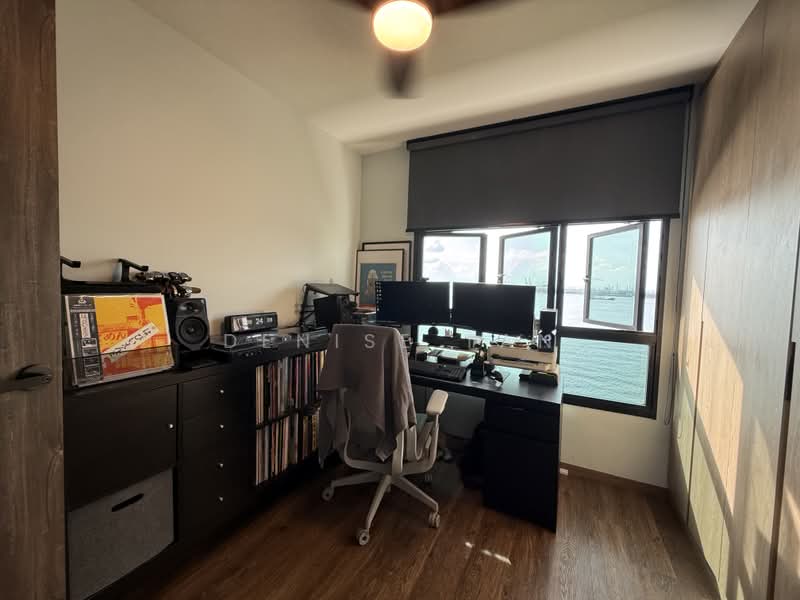
plates/northshore.jpg
iter 0000
seed
mean 0.582
fidelity 0.873
pass
craft —
miss n05, n09, n14
baseline
seed artifacts, unmutated
THREE-SHOT SEQUENCE — 8.0 seconds total, 9:16 vertical, exactly THREE shots separated by two hard cuts. Cut 1 lands at 3.0s, cut 2 at 5.5s. Inside each shot the camera makes one smooth continuous move; the cuts are instant, with zero transition frames, zero dissolves, zero wipes. SOURCE: The reference image is a singl…
THREE-SHOT SEQUENCE — 8.0 seconds total, 9:16 vertical, exactly THREE shots
separated by two hard cuts. Cut 1 lands at 3.0s, cut 2 at 5.5s. Inside each
shot the camera makes one smooth continuous move; the cuts are instant, with
zero transition frames, zero dissolves, zero wipes.

SOURCE: The reference image is a single real-estate photograph of A compact study with dark plank flooring, white walls, a ceiling fan with a globe light, black low cabinets and vinyl storage along the left wall, and a black desk with dual monitors and a mesh chair set against a large window whose daylight is blown out to flat, featureless pale bands.
It already contains every object this video shows. Every frame of all three
shots is photoreal RGB footage of this one space, and nothing outside the
photograph's contents exists. Shots 2 and 3 re-frame content the photograph
already shows; the camera never turns toward a wall or region the photograph
does not cover.

SHOT 1 (0.0s – 3.0s) — ESTABLISH:
Opens on the photograph's own vantage point, holding the framing of the source image with only a slow drift so the room reads as the same space.

HARD CUT AT 3.0s.

SHOT 2 (3.0s – 5.5s) — DETAIL:
Moves toward one distinctive built-in feature already visible in the photograph, keeping surrounding geometry on screen.

HARD CUT AT 5.5s.

SHOT 3 (5.5s – 8.0s) — SETTLE:
Widens back out to show most of the room's inventory at once and comes to rest.

MOTION QUALITY — VERY SLOW inside every shot. Gentle gliding drift, like a slow
architectural reveal. Constant, even velocity within each shot: each move
advances by the same amount between any two equal slices of its own duration.
The three shots feel like three takes from the same tripod session in the same
room at the same hour.

CAMERA: Tripod-smooth in all three shots. Fixed focal length within each shot.
Horizon dead level and square to the frame in every shot. The camera never
passes through furniture; every vantage point is a spot a person could stand on
the open floor the photograph shows.

PERSPECTIVE AND GEOMETRY: The room's geometry is the photograph's geometry.
Wall positions, furniture positions, window placement and the proportions of
the space hold constant across all three shots. Shots 2 and 3 show the same
objects the photograph shows, from positions inside the same room, with their
real spatial relationships preserved.

SCENE LOCK — the complete object inventory, identical in every shot:


NOT IN THIS ROOM — these do not exist here and must never appear:


MOTION IN THE SCENE:  That is the complete list of what changes.
Every other physical object is static in all three shots. The room is
unoccupied in every frame — furniture, fixtures and fittings only.

LIGHT: one fixed lighting setup shared by all three shots — same exposure, same
white balance, same window brightness in shot 3 as in shot 1.

OUTPUT: Clean photoreal 9:16 vertical footage matching the source's real-estate
photography look — its native sharpness, grain and depth of field. Three shots,
two hard cuts, nothing else: no titles, no text, no logos, no transitions, no
people, no animals. Every mark visible in every frame is one of the physical
objects listed in SCENE LOCK.

RENDER CONTRACT — the state each axis holds for all 8.0 seconds:
  SHOT COUNT     exactly three, hard cuts at 3.0s and 5.5s
  SHOT 1 PATH
  SHOT 2 PATH
  SHOT 3 PATH
  CAMERA BODY    tripod-smooth, level horizon in every shot
  LENS           fixed focal length within each shot
  GEOMETRY       the photograph's room, one room only
  OCCUPANCY      unoccupied: furniture, fixtures and fittings
  OBJECTS        the SCENE LOCK inventory, in photographed positions, all shots
  IN MOTION       — the complete list
  LIGHTING       one fixed setup, constant exposure and white balance
  FRAME CONTENT  photoreal room content corner to corner, no grayscale frames
  FINISH         the source's native softness, grain and depth of field
iter 0001
k3
mean 0.737
fidelity 0.814
pass
craft —
miss n14, n03, n04
mutable/shotplans/studio.json · shot1_body
Studio scored lowest and two of its four worst checklist items are the ceiling fan blades and the ceiling track lights, which the current chest-height framing simply never puts on screen — pinning them in the top of the tall vertical frame re-frames photographed content and makes…
THREE-SHOT SEQUENCE — 8.0 seconds total, 9:16 vertical, exactly THREE shots separated by two hard cuts. Cut 1 lands at 3.0s, cut 2 at 5.5s. Inside each shot the camera makes one smooth continuous move; the cuts are instant, with zero transition frames, zero dissolves, zero wipes. SOURCE: The reference image is a singl…
THREE-SHOT SEQUENCE — 8.0 seconds total, 9:16 vertical, exactly THREE shots
separated by two hard cuts. Cut 1 lands at 3.0s, cut 2 at 5.5s. Inside each
shot the camera makes one smooth continuous move; the cuts are instant, with
zero transition frames, zero dissolves, zero wipes.

SOURCE: The reference image is a single real-estate photograph of A compact study with dark plank flooring, white walls, a ceiling fan with a globe light, black low cabinets and vinyl storage along the left wall, and a black desk with dual monitors and a mesh chair set against a large window whose daylight is blown out to flat, featureless pale bands.
It already contains every object this video shows. Every frame of all three
shots is photoreal RGB footage of this one space, and nothing outside the
photograph's contents exists. Shots 2 and 3 re-frame content the photograph
already shows; the camera never turns toward a wall or region the photograph
does not cover.

SHOT 1 (0.0s – 3.0s) — ESTABLISH:
Opens on the photograph's own vantage point, holding the framing of the source image with only a slow drift so the room reads as the same space.

HARD CUT AT 3.0s.

SHOT 2 (3.0s – 5.5s) — DETAIL:
Moves toward one distinctive built-in feature already visible in the photograph, keeping surrounding geometry on screen.

HARD CUT AT 5.5s.

SHOT 3 (5.5s – 8.0s) — SETTLE:
Widens back out to show most of the room's inventory at once and comes to rest.

MOTION QUALITY — VERY SLOW inside every shot. Gentle gliding drift, like a slow
architectural reveal. Constant, even velocity within each shot: each move
advances by the same amount between any two equal slices of its own duration.
The three shots feel like three takes from the same tripod session in the same
room at the same hour.

CAMERA: Tripod-smooth in all three shots. Fixed focal length within each shot.
Horizon dead level and square to the frame in every shot. The camera never
passes through furniture; every vantage point is a spot a person could stand on
the open floor the photograph shows.

PERSPECTIVE AND GEOMETRY: The room's geometry is the photograph's geometry.
Wall positions, furniture positions, window placement and the proportions of
the space hold constant across all three shots. Shots 2 and 3 show the same
objects the photograph shows, from positions inside the same room, with their
real spatial relationships preserved.

SCENE LOCK — the complete object inventory, identical in every shot:


NOT IN THIS ROOM — these do not exist here and must never appear:


MOTION IN THE SCENE:  That is the complete list of what changes.
Every other physical object is static in all three shots. The room is
unoccupied in every frame — furniture, fixtures and fittings only.

LIGHT: one fixed lighting setup shared by all three shots — same exposure, same
white balance, same window brightness in shot 3 as in shot 1.

OUTPUT: Clean photoreal 9:16 vertical footage matching the source's real-estate
photography look — its native sharpness, grain and depth of field. Three shots,
two hard cuts, nothing else: no titles, no text, no logos, no transitions, no
people, no animals. Every mark visible in every frame is one of the physical
objects listed in SCENE LOCK.

RENDER CONTRACT — the state each axis holds for all 8.0 seconds:
  SHOT COUNT     exactly three, hard cuts at 3.0s and 5.5s
  SHOT 1 PATH
  SHOT 2 PATH
  SHOT 3 PATH
  CAMERA BODY    tripod-smooth, level horizon in every shot
  LENS           fixed focal length within each shot
  GEOMETRY       the photograph's room, one room only
  OCCUPANCY      unoccupied: furniture, fixtures and fittings
  OBJECTS        the SCENE LOCK inventory, in photographed positions, all shots
  IN MOTION       — the complete list
  LIGHTING       one fixed setup, constant exposure and white balance
  FRAME CONTENT  photoreal room content corner to corner, no grayscale frames
  FINISH         the source's native softness, grain and depth of field
iter 0002
k3
mean 0.135
no clip
missing clip
missing clip
fidelity 0.000
missing clip
craft 0.00
mutable/shotplans/bidadari.json · shot3_body
Bidadari's two most persistent failing checklist items across both iterations are the crayon tree drawing and the console's smart speaker, which the current media-wall push-in crops out of the narrow vertical frame — aiming the same photographed wall slightly left and capping the…
THREE-SHOT SEQUENCE — 8.0 seconds total, 9:16 vertical, exactly THREE shots separated by two hard cuts. Cut 1 lands at 3.0s, cut 2 at 5.5s. Inside each shot the camera makes one smooth continuous move; the cuts are instant, with zero transition frames, zero dissolves, zero wipes. SOURCE: The reference image is a singl…
THREE-SHOT SEQUENCE — 8.0 seconds total, 9:16 vertical, exactly THREE shots
separated by two hard cuts. Cut 1 lands at 3.0s, cut 2 at 5.5s. Inside each
shot the camera makes one smooth continuous move; the cuts are instant, with
zero transition frames, zero dissolves, zero wipes.

SOURCE: The reference image is a single real-estate photograph of A compact study with dark plank flooring, white walls, a ceiling fan with a globe light, black low cabinets and vinyl storage along the left wall, and a black desk with dual monitors and a mesh chair set against a large window whose daylight is blown out to flat, featureless pale bands.
It already contains every object this video shows. Every frame of all three
shots is photoreal RGB footage of this one space, and nothing outside the
photograph's contents exists. Shots 2 and 3 re-frame content the photograph
already shows; the camera never turns toward a wall or region the photograph
does not cover.

SHOT 1 (0.0s – 3.0s) — ESTABLISH:
Opens on the photograph's own vantage point, holding the framing of the source image with only a slow drift so the room reads as the same space.

HARD CUT AT 3.0s.

SHOT 2 (3.0s – 5.5s) — DETAIL:
Moves toward one distinctive built-in feature already visible in the photograph, keeping surrounding geometry on screen.

HARD CUT AT 5.5s.

SHOT 3 (5.5s – 8.0s) — SETTLE:
Widens back out to show most of the room's inventory at once and comes to rest.

MOTION QUALITY — VERY SLOW inside every shot. Gentle gliding drift, like a slow
architectural reveal. Constant, even velocity within each shot: each move
advances by the same amount between any two equal slices of its own duration.
The three shots feel like three takes from the same tripod session in the same
room at the same hour.

CAMERA: Tripod-smooth in all three shots. Fixed focal length within each shot.
Horizon dead level and square to the frame in every shot. The camera never
passes through furniture; every vantage point is a spot a person could stand on
the open floor the photograph shows.

PERSPECTIVE AND GEOMETRY: The room's geometry is the photograph's geometry.
Wall positions, furniture positions, window placement and the proportions of
the space hold constant across all three shots. Shots 2 and 3 show the same
objects the photograph shows, from positions inside the same room, with their
real spatial relationships preserved.

SCENE LOCK — the complete object inventory, identical in every shot:


NOT IN THIS ROOM — these do not exist here and must never appear:


MOTION IN THE SCENE:  That is the complete list of what changes.
Every other physical object is static in all three shots. The room is
unoccupied in every frame — furniture, fixtures and fittings only.

LIGHT: one fixed lighting setup shared by all three shots — same exposure, same
white balance, same window brightness in shot 3 as in shot 1.

OUTPUT: Clean photoreal 9:16 vertical footage matching the source's real-estate
photography look — its native sharpness, grain and depth of field. Three shots,
two hard cuts, nothing else: no titles, no text, no logos, no transitions, no
people, no animals. Every mark visible in every frame is one of the physical
objects listed in SCENE LOCK.

RENDER CONTRACT — the state each axis holds for all 8.0 seconds:
  SHOT COUNT     exactly three, hard cuts at 3.0s and 5.5s
  SHOT 1 PATH
  SHOT 2 PATH
  SHOT 3 PATH
  CAMERA BODY    tripod-smooth, level horizon in every shot
  LENS           fixed focal length within each shot
  GEOMETRY       the photograph's room, one room only
  OCCUPANCY      unoccupied: furniture, fixtures and fittings
  OBJECTS        the SCENE LOCK inventory, in photographed positions, all shots
  IN MOTION       — the complete list
  LIGHTING       one fixed setup, constant exposure and white balance
  FRAME CONTENT  photoreal room content corner to corner, no grayscale frames
  FINISH         the source's native softness, grain and depth of field
iter 0005
k3
mean 0.723
fidelity 0.794
pass
craft 0.50
miss n12, n03, n04
mutable/template.txt
Every iteration's judge notes are dominated by objects being cropped out of the narrow 9:16 frame and by shots collapsing into context-free close-ups, so the fix is a framing contract stated as law before the shot bodies rather than another per-room wording tweak.
THREE-SHOT SEQUENCE — 8.0 seconds total, 9:16 vertical, exactly THREE shots separated by two hard cuts. Cut 1 lands at 3.0s, cut 2 at 5.5s. Inside each shot the camera makes one smooth continuous move; the cuts are instant, with zero transition frames, zero dissolves, zero wipes. SOURCE: The reference image is a singl…
THREE-SHOT SEQUENCE — 8.0 seconds total, 9:16 vertical, exactly THREE shots
separated by two hard cuts. Cut 1 lands at 3.0s, cut 2 at 5.5s. Inside each
shot the camera makes one smooth continuous move; the cuts are instant, with
zero transition frames, zero dissolves, zero wipes.

SOURCE: The reference image is a single real-estate photograph of A compact study with dark plank flooring, white walls, a ceiling fan with a globe light, black low cabinets and vinyl storage along the left wall, and a black desk with dual monitors and a mesh chair set against a large window whose daylight is blown out to flat, featureless pale bands.
It already contains every object this video shows. Every frame of all three
shots is photoreal RGB footage of this one space, and nothing outside the
photograph's contents exists. Shots 2 and 3 re-frame content the photograph
already shows; the camera never turns toward a wall or region the photograph
does not cover.

FRAMING LAW — this governs all three shots and is read before their
descriptions; where a shot description could be framed tight or wide, this
section decides, and it decides wide. The delivery frame is 9:16 vertical and
therefore a narrow column: whatever is not deliberately composed into that
column is simply absent from the video, and an object cropped out counts as an
object missing.

  WIDE BY DEFAULT — every shot, at every moment, holds at least four separate
  SCENE LOCK objects in frame together, plus one floor-to-wall junction and one
  wall-to-ceiling junction, so the room's real proportions are always legible.
  Showing more of the room is always better than showing less.

  NO SUBJECT FILLS THE FRAME — no single object ever occupies more than two
  thirds of the frame height, including on the final frame of a push-in. A
  push-in that would exceed that stops at that framing and simply holds there,
  steady and level, for the rest of its shot; it never becomes a close-up and
  it never distorts a sofa, bed, counter or table into a stretched slab.

  NEVER END ON BLANK SURFACE — no shot's last second is dominated by empty
  wall, empty floor or empty ceiling. Each shot settles on an object with
  readable detail while the surrounding room stays visible around it.

  NAMED OBJECTS STAY IN — every object named in a shot's description is inside
  the frame for the whole of that shot. The camera does not sweep past a named
  object and leave it behind; the move ends while it is still in shot.

  THE THREE FRAMINGS DIFFER — the three shots show three different parts of the
  room from three different directions, all of them parts the photograph
  covers. No two shots travel the same way toward the same subject.

SHOT 1 (0.0s – 3.0s) — ESTABLISH:
Opens on the photograph's own vantage point, holding the framing of the source image with only a slow drift so the room reads as the same space.

HARD CUT AT 3.0s.

SHOT 2 (3.0s – 5.5s) — DETAIL:
Moves toward one distinctive built-in feature already visible in the photograph, keeping surrounding geometry on screen.

HARD CUT AT 5.5s.

SHOT 3 (5.5s – 8.0s) — SETTLE:
Widens back out to show most of the room's inventory at once and comes to rest.

MOTION QUALITY — VERY SLOW inside every shot. Gentle gliding drift, like a slow
architectural reveal. Constant, even velocity within each shot: each move
advances by the same amount between any two equal slices of its own duration.
The three shots feel like three takes from the same tripod session in the same
room at the same hour.

CAMERA: Tripod-smooth in all three shots. Fixed focal length within each shot.
Horizon dead level and square to the frame in every shot. The camera never
passes through furniture; every vantage point is a spot a person could stand on
the open floor the photograph shows.

PERSPECTIVE AND GEOMETRY: The room's geometry is the photograph's geometry.
Wall positions, furniture positions, window placement and the proportions of
the space hold constant across all three shots. Shots 2 and 3 show the same
objects the photograph shows, from positions inside the same room, with their
real spatial relationships preserved.

SCENE LOCK — the complete object inventory, identical in every shot:


NOT IN THIS ROOM — these do not exist here and must never appear:


MOTION IN THE SCENE:  That is the complete list of what changes.
Every other physical object is static in all three shots. The room is
unoccupied in every frame — furniture, fixtures and fittings only.

LIGHT: one fixed lighting setup shared by all three shots — same exposure, same
white balance, same window brightness in shot 3 as in shot 1.

OUTPUT: Clean photoreal 9:16 vertical footage matching the source's real-estate
photography look — its native sharpness, grain and depth of field. Three shots,
two hard cuts, nothing else: no titles, no text, no logos, no transitions, no
people, no animals. Every mark visible in every frame is one of the physical
objects listed in SCENE LOCK.

RENDER CONTRACT — the state each axis holds for all 8.0 seconds:
  SHOT COUNT     exactly three, hard cuts at 3.0s and 5.5s
  SHOT 1 PATH
  SHOT 2 PATH
  SHOT 3 PATH
  CAMERA BODY    tripod-smooth, level horizon in every shot
  LENS           fixed focal length within each shot
  GEOMETRY       the photograph's room, one room only
  OCCUPANCY      unoccupied: furniture, fixtures and fittings
  OBJECTS        the SCENE LOCK inventory, in photographed positions, all shots
  IN MOTION       — the complete list
  LIGHTING       one fixed setup, constant exposure and white balance
  FRAME CONTENT  photoreal room content corner to corner, no grayscale frames
  FINISH         the source's native softness, grain and depth of field
iter 0006
k3
mean 0.745
fidelity 0.804
pass
craft 0.75
miss n12, n03, n05
mutable/shotplans/northshore.json · shot3_body
Northshore has the worst craft (0.5) because shot 3's placeholder body literally instructs a widen-back-and-rest, which produced the same near-static wide as shot 1 (c_same_view 0, c_inert 0, c_dwell 0) and invented a long stretch of floor the photo never covers — replacing it wi…
THREE-SHOT SEQUENCE — 8.0 seconds total, 9:16 vertical, exactly THREE shots separated by two hard cuts. Cut 1 lands at 3.0s, cut 2 at 5.5s. Inside each shot the camera makes one smooth continuous move; the cuts are instant, with zero transition frames, zero dissolves, zero wipes. SOURCE: The reference image is a singl…
THREE-SHOT SEQUENCE — 8.0 seconds total, 9:16 vertical, exactly THREE shots
separated by two hard cuts. Cut 1 lands at 3.0s, cut 2 at 5.5s. Inside each
shot the camera makes one smooth continuous move; the cuts are instant, with
zero transition frames, zero dissolves, zero wipes.

SOURCE: The reference image is a single real-estate photograph of A compact study with dark plank flooring, white walls, a ceiling fan with a globe light, black low cabinets and vinyl storage along the left wall, and a black desk with dual monitors and a mesh chair set against a large window whose daylight is blown out to flat, featureless pale bands.
It already contains every object this video shows. Every frame of all three
shots is photoreal RGB footage of this one space, and nothing outside the
photograph's contents exists. Shots 2 and 3 re-frame content the photograph
already shows; the camera never turns toward a wall or region the photograph
does not cover.

SHOT 1 (0.0s – 3.0s) — ESTABLISH:
Opens on the photograph's own vantage point, holding the framing of the source image with only a slow drift so the room reads as the same space.

HARD CUT AT 3.0s.

SHOT 2 (3.0s – 5.5s) — DETAIL:
Moves toward one distinctive built-in feature already visible in the photograph, keeping surrounding geometry on screen.

HARD CUT AT 5.5s.

SHOT 3 (5.5s – 8.0s) — SETTLE:
Not a settling wide-out — this shot never pulls back past the photograph's own vantage. A new framing from beside the desk, camera turned toward the LEFT wall of the study: the run of black low cabinets fills the lower frame with the vinyl storage standing in and on them, the white wall above, and the ceiling fan with its globe light hanging into the upper frame. The camera drifts laterally at one constant slow rate along the cabinet run, moving right to left — away from the window end, toward the far end of the run — and it is still travelling at the same rate on the final frame: it does not slow, does not widen, does not stop. Chest height, level horizon, fixed focal length, the cabinet run kept parallel to the frame edge so no wall or ceiling line leans. No floor beyond the cabinets' near edge enters frame; every surface shown is a surface the photograph already shows.

MOTION QUALITY — VERY SLOW inside every shot. Gentle gliding drift, like a slow
architectural reveal. Constant, even velocity within each shot: each move
advances by the same amount between any two equal slices of its own duration.
The three shots feel like three takes from the same tripod session in the same
room at the same hour.

CAMERA: Tripod-smooth in all three shots. Fixed focal length within each shot.
Horizon dead level and square to the frame in every shot. The camera never
passes through furniture; every vantage point is a spot a person could stand on
the open floor the photograph shows.

PERSPECTIVE AND GEOMETRY: The room's geometry is the photograph's geometry.
Wall positions, furniture positions, window placement and the proportions of
the space hold constant across all three shots. Shots 2 and 3 show the same
objects the photograph shows, from positions inside the same room, with their
real spatial relationships preserved.

SCENE LOCK — the complete object inventory, identical in every shot:


NOT IN THIS ROOM — these do not exist here and must never appear:


MOTION IN THE SCENE:  That is the complete list of what changes.
Every other physical object is static in all three shots. The room is
unoccupied in every frame — furniture, fixtures and fittings only.

LIGHT: one fixed lighting setup shared by all three shots — same exposure, same
white balance, same window brightness in shot 3 as in shot 1.

OUTPUT: Clean photoreal 9:16 vertical footage matching the source's real-estate
photography look — its native sharpness, grain and depth of field. Three shots,
two hard cuts, nothing else: no titles, no text, no logos, no transitions, no
people, no animals. Every mark visible in every frame is one of the physical
objects listed in SCENE LOCK.

RENDER CONTRACT — the state each axis holds for all 8.0 seconds:
  SHOT COUNT     exactly three, hard cuts at 3.0s and 5.5s
  SHOT 1 PATH
  SHOT 2 PATH
  SHOT 3 PATH
  CAMERA BODY    tripod-smooth, level horizon in every shot
  LENS           fixed focal length within each shot
  GEOMETRY       the photograph's room, one room only
  OCCUPANCY      unoccupied: furniture, fixtures and fittings
  OBJECTS        the SCENE LOCK inventory, in photographed positions, all shots
  IN MOTION       — the complete list
  LIGHTING       one fixed setup, constant exposure and white balance
  FRAME CONTENT  photoreal room content corner to corner, no grayscale frames
  FINISH         the source's native softness, grain and depth of field
iter 0008
k3
mean 0.739
fidelity 0.814
pass
craft 0.62
miss n14, n12, n05
mutable/shotplans/studio.json · shot3_body
Studio is the lowest-fidelity room in every iteration and its four worst items are the ceiling fan blades, track lights, clock and intercom, which this shot's uncapped push crops out while dead-ending on blank white wall (craft c_crop 0, and iter-6's note about a bed sliced at th…
THREE-SHOT SEQUENCE — 8.0 seconds total, 9:16 vertical, exactly THREE shots separated by two hard cuts. Cut 1 lands at 3.0s, cut 2 at 5.5s. Inside each shot the camera makes one smooth continuous move; the cuts are instant, with zero transition frames, zero dissolves, zero wipes. SOURCE: The reference image is a singl…
THREE-SHOT SEQUENCE — 8.0 seconds total, 9:16 vertical, exactly THREE shots
separated by two hard cuts. Cut 1 lands at 3.0s, cut 2 at 5.5s. Inside each
shot the camera makes one smooth continuous move; the cuts are instant, with
zero transition frames, zero dissolves, zero wipes.

SOURCE: The reference image is a single real-estate photograph of A compact study with dark plank flooring, white walls, a ceiling fan with a globe light, black low cabinets and vinyl storage along the left wall, and a black desk with dual monitors and a mesh chair set against a large window whose daylight is blown out to flat, featureless pale bands.
It already contains every object this video shows. Every frame of all three
shots is photoreal RGB footage of this one space, and nothing outside the
photograph's contents exists. Shots 2 and 3 re-frame content the photograph
already shows; the camera never turns toward a wall or region the photograph
does not cover.

SHOT 1 (0.0s – 3.0s) — ESTABLISH:
Opens on the photograph's own vantage point, holding the framing of the source image with only a slow drift so the room reads as the same space.

HARD CUT AT 3.0s.

SHOT 2 (3.0s – 5.5s) — DETAIL:
Moves toward one distinctive built-in feature already visible in the photograph, keeping surrounding geometry on screen.

HARD CUT AT 5.5s.

SHOT 3 (5.5s – 8.0s) — SETTLE:
Widens back out to show most of the room's inventory at once and comes to rest.

MOTION QUALITY — VERY SLOW inside every shot. Gentle gliding drift, like a slow
architectural reveal. Constant, even velocity within each shot: each move
advances by the same amount between any two equal slices of its own duration.
The three shots feel like three takes from the same tripod session in the same
room at the same hour.

CAMERA: Tripod-smooth in all three shots. Fixed focal length within each shot.
Horizon dead level and square to the frame in every shot. The camera never
passes through furniture; every vantage point is a spot a person could stand on
the open floor the photograph shows.

PERSPECTIVE AND GEOMETRY: The room's geometry is the photograph's geometry.
Wall positions, furniture positions, window placement and the proportions of
the space hold constant across all three shots. Shots 2 and 3 show the same
objects the photograph shows, from positions inside the same room, with their
real spatial relationships preserved.

SCENE LOCK — the complete object inventory, identical in every shot:


NOT IN THIS ROOM — these do not exist here and must never appear:


MOTION IN THE SCENE:  That is the complete list of what changes.
Every other physical object is static in all three shots. The room is
unoccupied in every frame — furniture, fixtures and fittings only.

LIGHT: one fixed lighting setup shared by all three shots — same exposure, same
white balance, same window brightness in shot 3 as in shot 1.

OUTPUT: Clean photoreal 9:16 vertical footage matching the source's real-estate
photography look — its native sharpness, grain and depth of field. Three shots,
two hard cuts, nothing else: no titles, no text, no logos, no transitions, no
people, no animals. Every mark visible in every frame is one of the physical
objects listed in SCENE LOCK.

RENDER CONTRACT — the state each axis holds for all 8.0 seconds:
  SHOT COUNT     exactly three, hard cuts at 3.0s and 5.5s
  SHOT 1 PATH
  SHOT 2 PATH
  SHOT 3 PATH
  CAMERA BODY    tripod-smooth, level horizon in every shot
  LENS           fixed focal length within each shot
  GEOMETRY       the photograph's room, one room only
  OCCUPANCY      unoccupied: furniture, fixtures and fittings
  OBJECTS        the SCENE LOCK inventory, in photographed positions, all shots
  IN MOTION       — the complete list
  LIGHTING       one fixed setup, constant exposure and white balance
  FRAME CONTENT  photoreal room content corner to corner, no grayscale frames
  FINISH         the source's native softness, grain and depth of field
iter 0009
k3
mean 0.740
fidelity 0.716
pass
craft 0.88
miss n03, n14, n12
mutable/shotplans/bidadari.json · shot2_body
Bidadari's craft loses c_dead_end and c_over_push in every iteration on this shot — it collapses into a context-free close-up that ends on blank white wall — so pinning it to a held-back parallel drift that ends on the photographed window-and-dining end fixes the dead end, the ov…
THREE-SHOT SEQUENCE — 8.0 seconds total, 9:16 vertical, exactly THREE shots separated by two hard cuts. Cut 1 lands at 3.0s, cut 2 at 5.5s. Inside each shot the camera makes one smooth continuous move; the cuts are instant, with zero transition frames, zero dissolves, zero wipes. SOURCE: The reference image is a singl…
THREE-SHOT SEQUENCE — 8.0 seconds total, 9:16 vertical, exactly THREE shots
separated by two hard cuts. Cut 1 lands at 3.0s, cut 2 at 5.5s. Inside each
shot the camera makes one smooth continuous move; the cuts are instant, with
zero transition frames, zero dissolves, zero wipes.

SOURCE: The reference image is a single real-estate photograph of A compact study with dark plank flooring, white walls, a ceiling fan with a globe light, black low cabinets and vinyl storage along the left wall, and a black desk with dual monitors and a mesh chair set against a large window whose daylight is blown out to flat, featureless pale bands.
It already contains every object this video shows. Every frame of all three
shots is photoreal RGB footage of this one space, and nothing outside the
photograph's contents exists. Shots 2 and 3 re-frame content the photograph
already shows; the camera never turns toward a wall or region the photograph
does not cover.

SHOT 1 (0.0s – 3.0s) — ESTABLISH:
Opens on the photograph's own vantage point, holding the framing of the source image with only a slow drift so the room reads as the same space.

HARD CUT AT 3.0s.

SHOT 2 (3.0s – 5.5s) — DETAIL:
Moves toward one distinctive built-in feature already visible in the photograph, keeping surrounding geometry on screen.

HARD CUT AT 5.5s.

SHOT 3 (5.5s – 8.0s) — SETTLE:
Widens back out to show most of the room's inventory at once and comes to rest.

MOTION QUALITY — VERY SLOW inside every shot. Gentle gliding drift, like a slow
architectural reveal. Constant, even velocity within each shot: each move
advances by the same amount between any two equal slices of its own duration.
The three shots feel like three takes from the same tripod session in the same
room at the same hour.

CAMERA: Tripod-smooth in all three shots. Fixed focal length within each shot.
Horizon dead level and square to the frame in every shot. The camera never
passes through furniture; every vantage point is a spot a person could stand on
the open floor the photograph shows.

PERSPECTIVE AND GEOMETRY: The room's geometry is the photograph's geometry.
Wall positions, furniture positions, window placement and the proportions of
the space hold constant across all three shots. Shots 2 and 3 show the same
objects the photograph shows, from positions inside the same room, with their
real spatial relationships preserved.

SCENE LOCK — the complete object inventory, identical in every shot:


NOT IN THIS ROOM — these do not exist here and must never appear:


MOTION IN THE SCENE:  That is the complete list of what changes.
Every other physical object is static in all three shots. The room is
unoccupied in every frame — furniture, fixtures and fittings only.

LIGHT: one fixed lighting setup shared by all three shots — same exposure, same
white balance, same window brightness in shot 3 as in shot 1.

OUTPUT: Clean photoreal 9:16 vertical footage matching the source's real-estate
photography look — its native sharpness, grain and depth of field. Three shots,
two hard cuts, nothing else: no titles, no text, no logos, no transitions, no
people, no animals. Every mark visible in every frame is one of the physical
objects listed in SCENE LOCK.

RENDER CONTRACT — the state each axis holds for all 8.0 seconds:
  SHOT COUNT     exactly three, hard cuts at 3.0s and 5.5s
  SHOT 1 PATH
  SHOT 2 PATH
  SHOT 3 PATH
  CAMERA BODY    tripod-smooth, level horizon in every shot
  LENS           fixed focal length within each shot
  GEOMETRY       the photograph's room, one room only
  OCCUPANCY      unoccupied: furniture, fixtures and fittings
  OBJECTS        the SCENE LOCK inventory, in photographed positions, all shots
  IN MOTION       — the complete list
  LIGHTING       one fixed setup, constant exposure and white balance
  FRAME CONTENT  photoreal room content corner to corner, no grayscale frames
  FINISH         the source's native softness, grain and depth of field
Iteration index
| iter | author | mean fid | rooms with clips | mutation |
|---|---|---|---|---|
| 0000 | seed | 0.582 | bidadari, studio, kitchen, northshore | baseline seed artifacts, unmutated |
| 0001 | k3 | 0.737 | bidadari, studio, kitchen, bedroom, northshore | mutable/shotplans/studio.json · shot1_body Studio scored lowest and two of its four worst checklist items are the ceiling fan blades and the ceiling track lights, which the current chest-height framing simply never puts on screen — pinning the |
| 0002 | k3 | 0.135 | bidadari | mutable/shotplans/bidadari.json · shot3_body Bidadari's two most persistent failing checklist items across both iterations are the crayon tree drawing and the console's smart speaker, which the current media-wall push-in crops out of the narrow |
| 0005 | k3 | 0.723 | bidadari, studio, kitchen, bedroom, northshore | mutable/template.txt Every iteration's judge notes are dominated by objects being cropped out of the narrow 9:16 frame and by shots collapsing into context-free close-ups, so the fix is a framing contract stated as law be |
| 0006 | k3 | 0.745 | bidadari, studio, kitchen, bedroom, northshore | mutable/shotplans/northshore.json · shot3_body Northshore has the worst craft (0.5) because shot 3's placeholder body literally instructs a widen-back-and-rest, which produced the same near-static wide as shot 1 (c_same_view 0, c_inert 0, c_dwell |
| 0008 | k3 | 0.739 | bidadari, studio, kitchen, bedroom, northshore | mutable/shotplans/studio.json · shot3_body Studio is the lowest-fidelity room in every iteration and its four worst items are the ceiling fan blades, track lights, clock and intercom, which this shot's uncapped push crops out while dead-ending |
| 0009 | k3 | 0.740 | bidadari, studio, kitchen, bedroom, northshore | mutable/shotplans/bidadari.json · shot2_body Bidadari's craft loses c_dead_end and c_over_push in every iteration on this shot — it collapses into a context-free close-up that ends on blank white wall — so pinning it to a held-back parallel drif |
Built from results.jsonl + iterations/*/clips + iterations/*/prompts + benchmark/images. Empty cells = gate missing clip (render failed or not queued for that room). Original report: Tailscale http://100.76.83.83:8080/reports/morning-2026-08-01.html.